

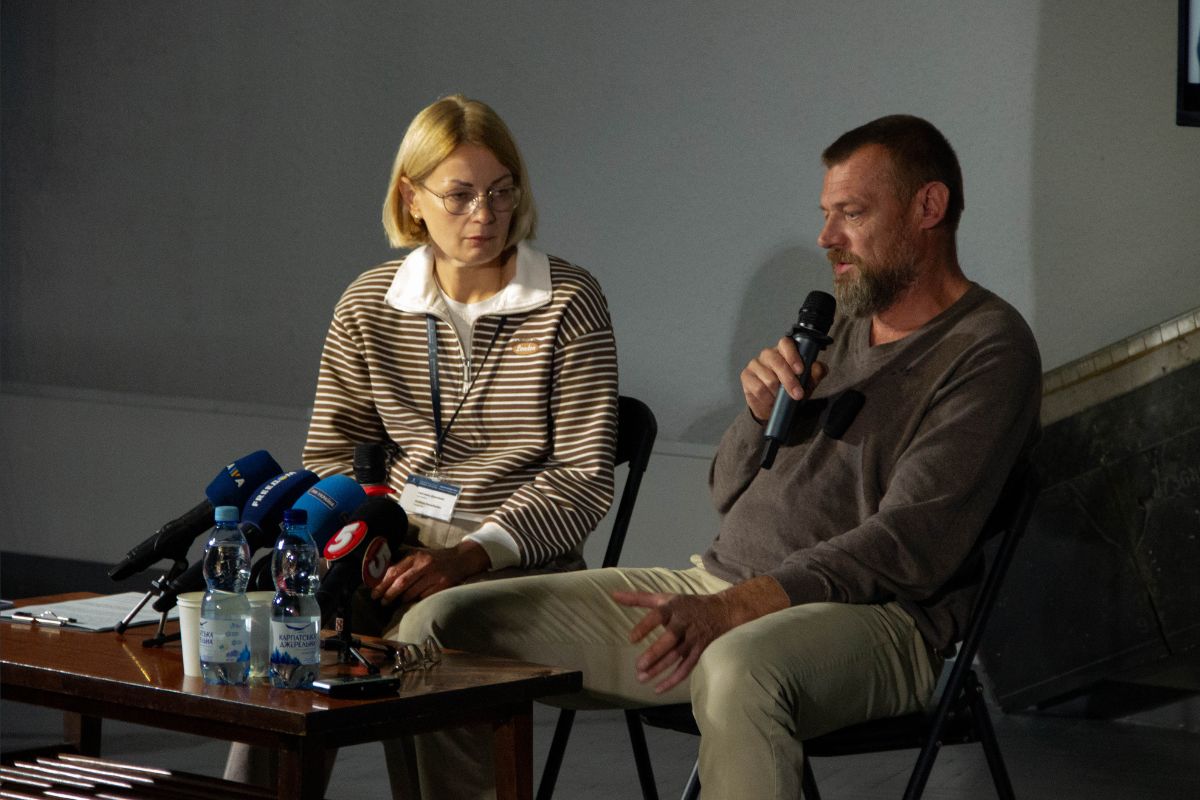
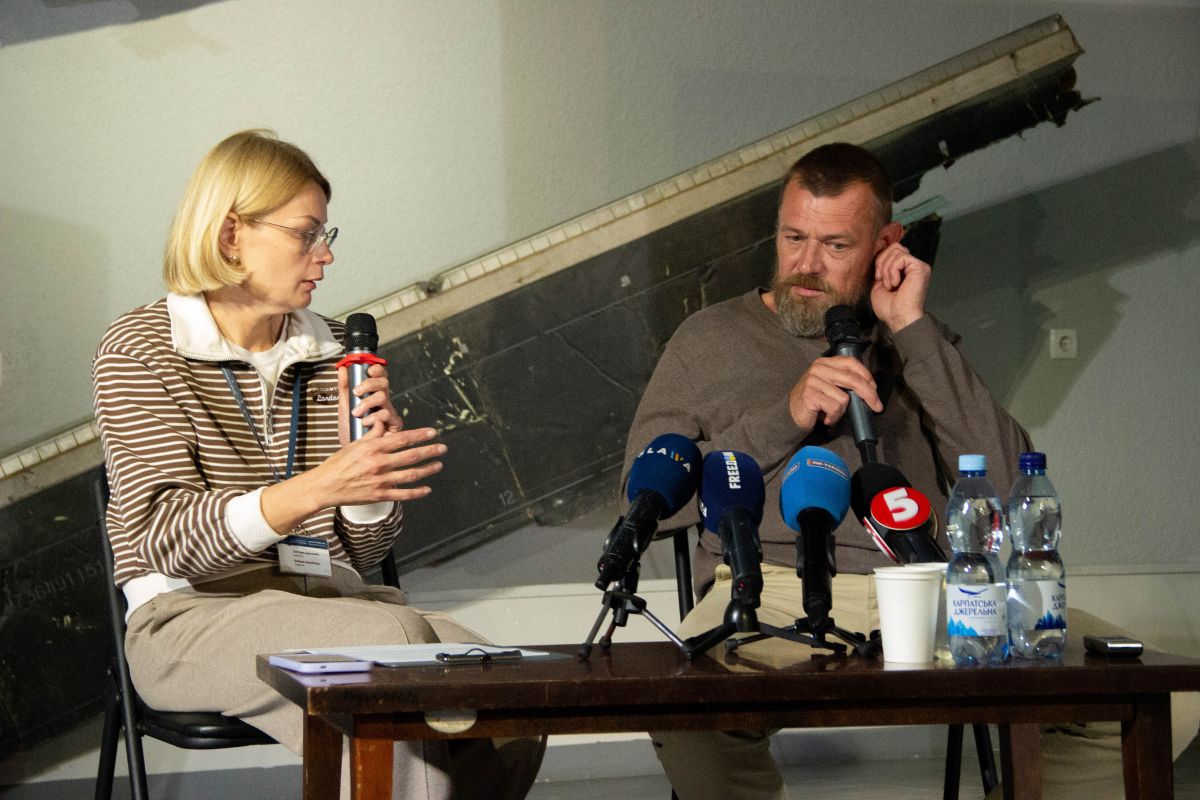
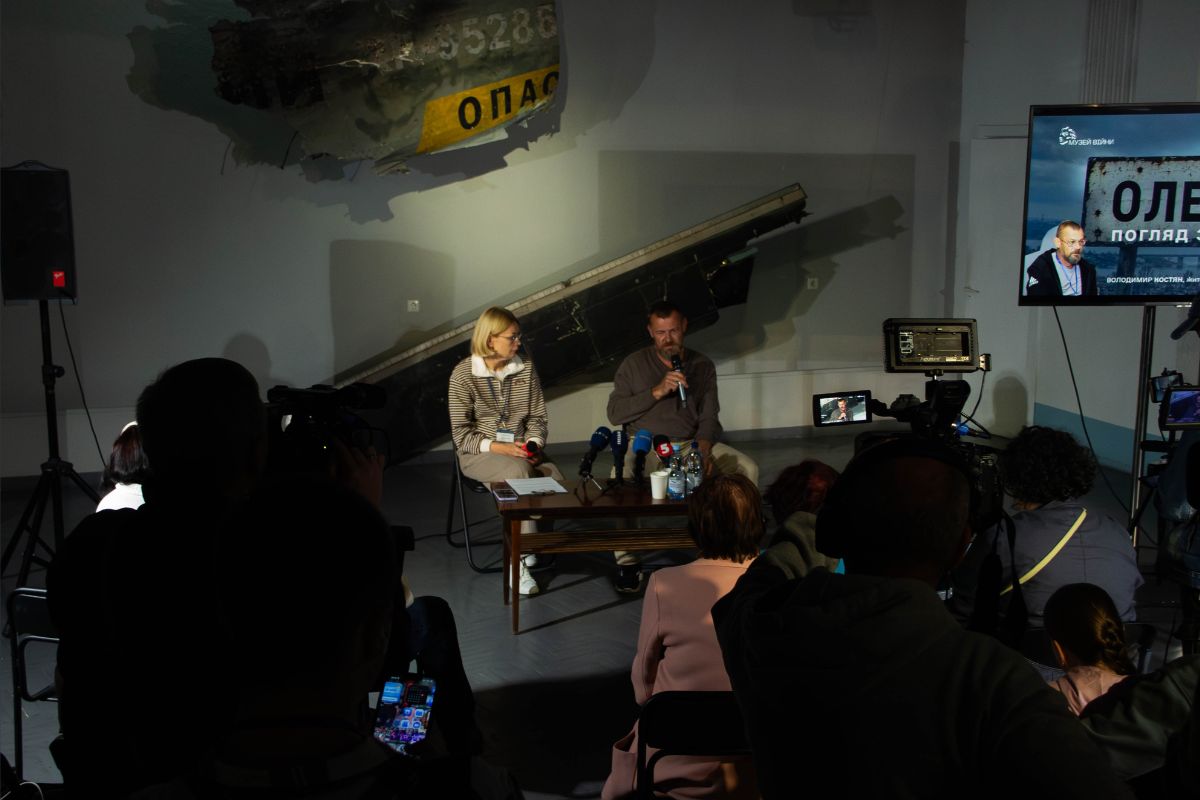
Last week, the War Museum hosted a meeting with Volodymyr Kostian, a resident of Oleshky who managed to leave the occupied city in spring 2026.
When Russia launched its full-scale invasion, he remained in his hometown, helping Ukrainian servicemen and passing information about the movements of Russian military equipment to the Defence Forces. In the first days of the full-scale war, wounded soldiers retreating after heavy shelling took shelter on the outskirts of the city. Volodymyr sheltered 28 people in his home, provided them with food and, within a few days, managed to transport them by boat to the right bank of the Dnipro, where they rejoined their unit. Later, he repeatedly found wounded servicemen and provided them with assistance.
Before the war, Volodymyr was a beekeeper, which made it easier for him to travel between settlements. Using his work as a beekeeper as cover, he would travel through fields, ostensibly looking for sites for his hives, while identifying the positions of Russian military equipment and passing the coordinates to the Armed Forces of Ukraine. The occupiers detained him in November 2022. He then spent a year in a pre-trial detention centre in occupied Kalanchak, enduring brutal interrogations, humiliation and torture by electric shock. A year later, Volodymyr was released on parole and returned to Oleshky. For another two years, he remained under the surveillance of Russian security forces and was required to report regularly to the district police station in Skadovsk. Even under these circumstances, Volodymyr used his own car to take people from Oleshky to Skadovsk, bringing food back to those who remained under occupation.
According to Volodymyr, food shortages began to be felt in winter 2025. Even then, people had to search abandoned houses for any grain or flour they could find. Life grew more difficult with each passing month. Strikes on the city became more frequent. The occupiers turned Oleshky into a training ground for drone operators and openly stated that strikes near homes were training exercises. The fact that the city was heavily mined made the situation even more difficult.
It was only in March 2026 that Volodymyr left occupied Oleshky through the ‘Domanove–Mokrany’ humanitarian corridor. He says this was made possible by the Ukrainian soldiers he had rescued in 2022. They provided him with support from the air in the ‘grey zone’, using a drone to accompany his car, although he had to stop several times because of the risk of coming under fire.
Today, Volodymyr remains in contact with people from his hometown. During the meeting, we had the opportunity to hear his candid account of the current situation in the city and the people who remain there. We invite you to watch the full conversation with Volodymyr Kostian on the Museum’s YouTube channel.
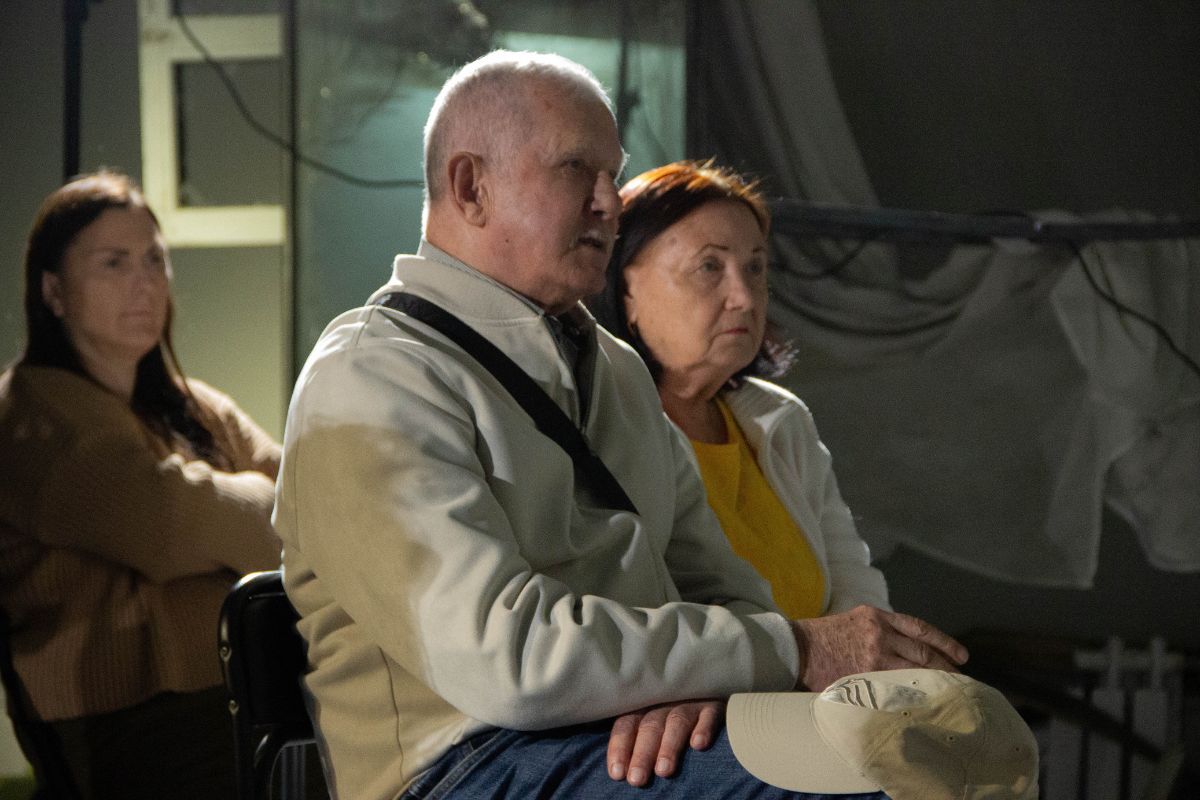
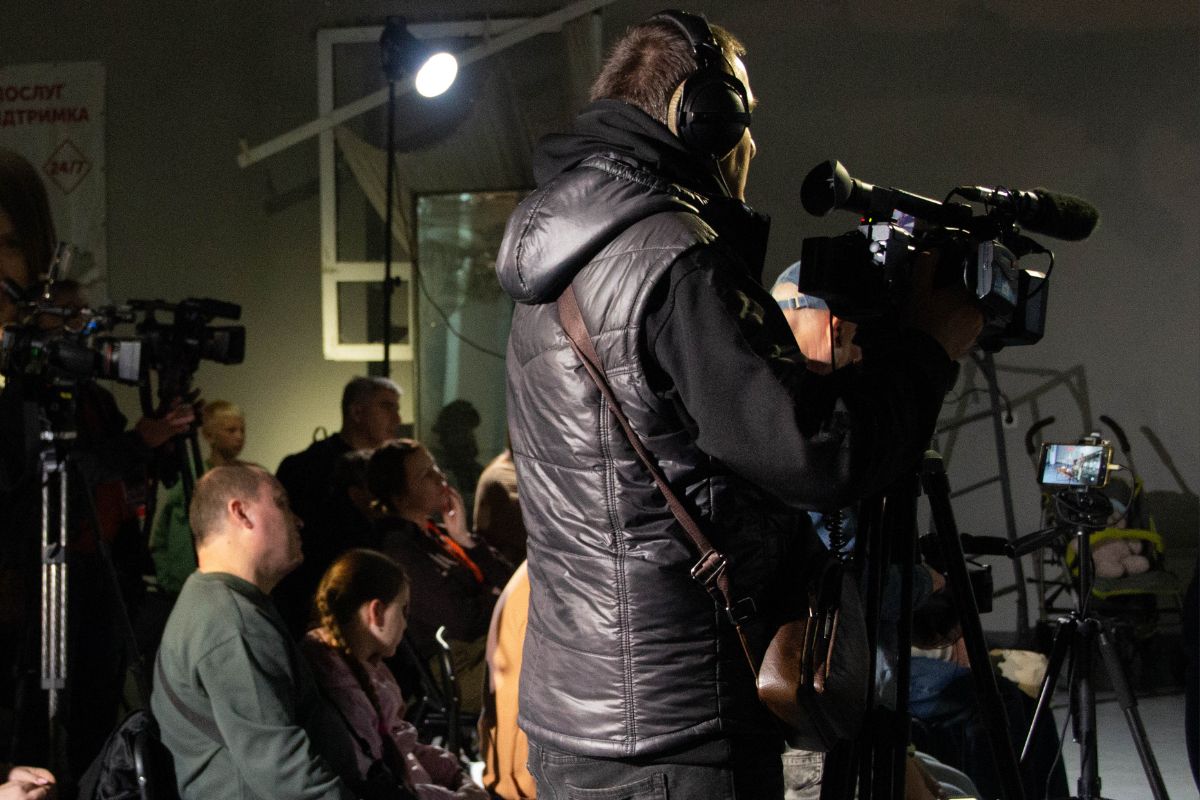
We thank the people of Oleshky who now live in Kyiv and came to the Museum to meet their fellow townsman. Despite the missile explosions and the distance from home, familiar faces and shared memories filled a tense Saturday with a sense of unity, mutual support and unwavering faith in Ukraine.
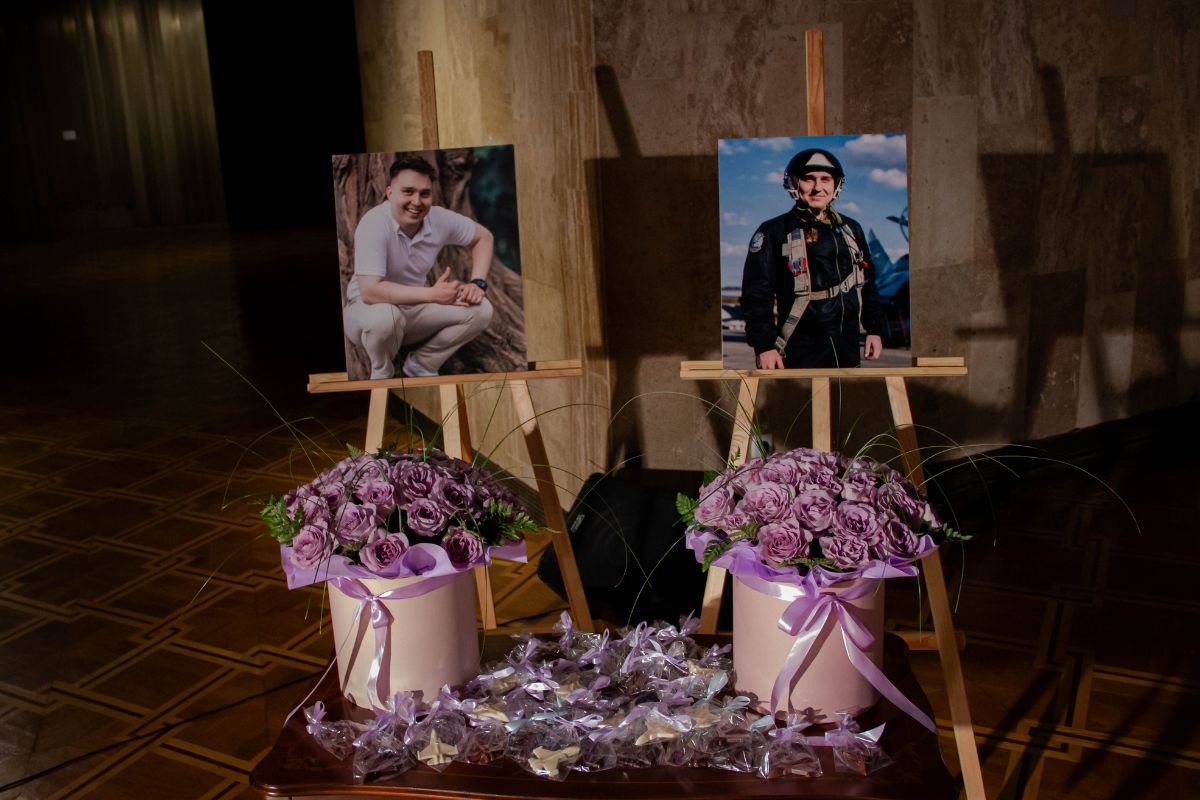
To cherish the light that remains in the sky: War Museum commemorates Major Ivan Bolotov
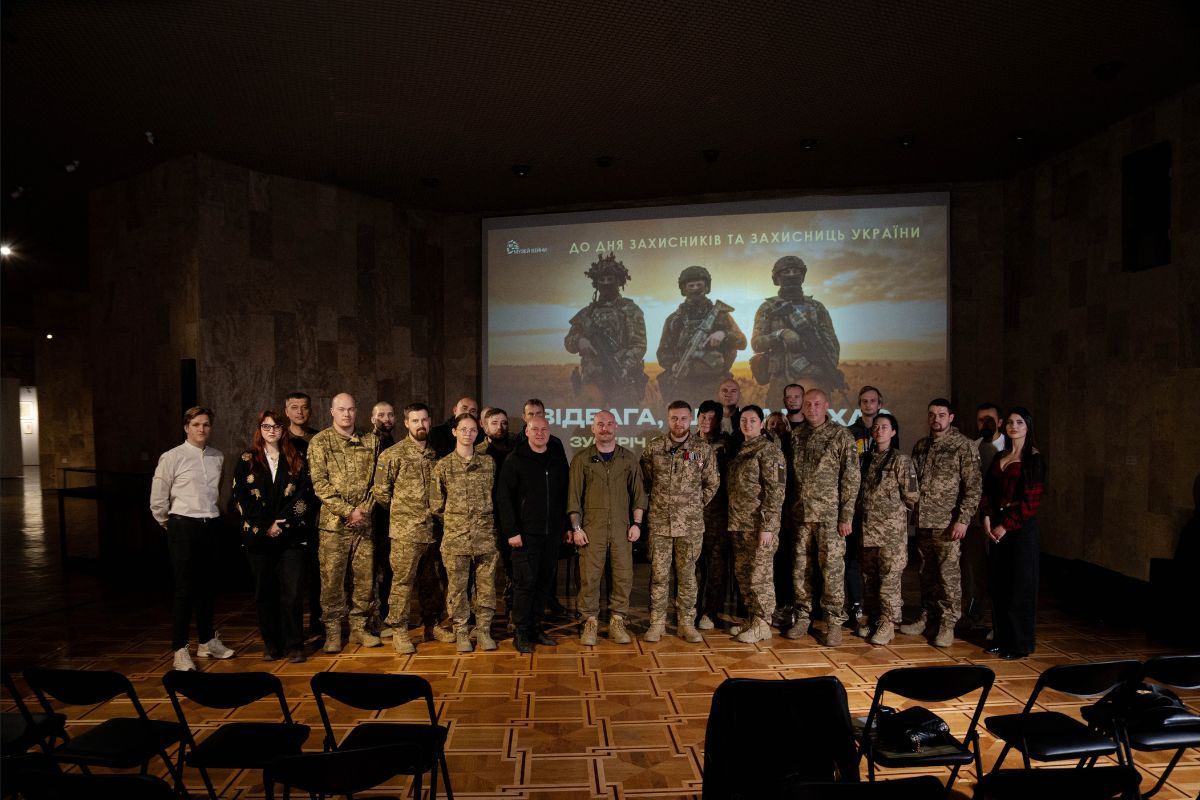
Meeting with Heroes of Ukraine at the War Museum Marking the Day of Defenders of Ukraine