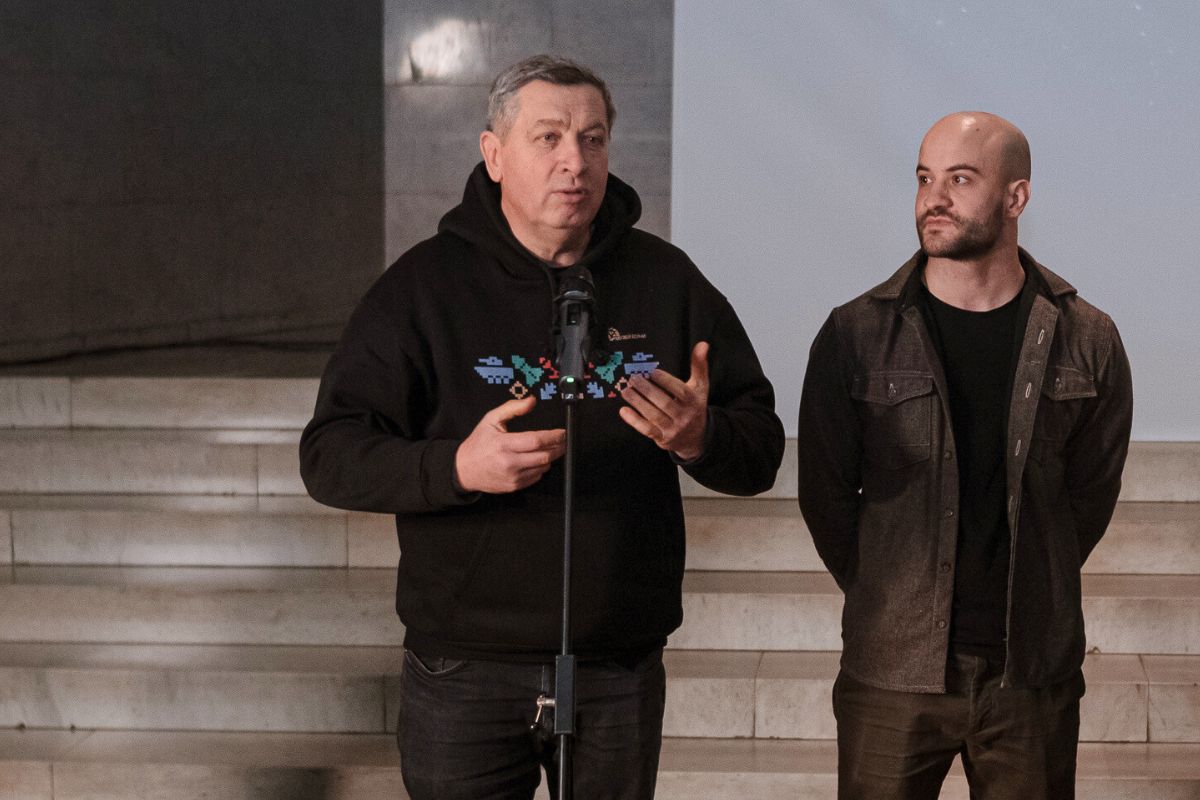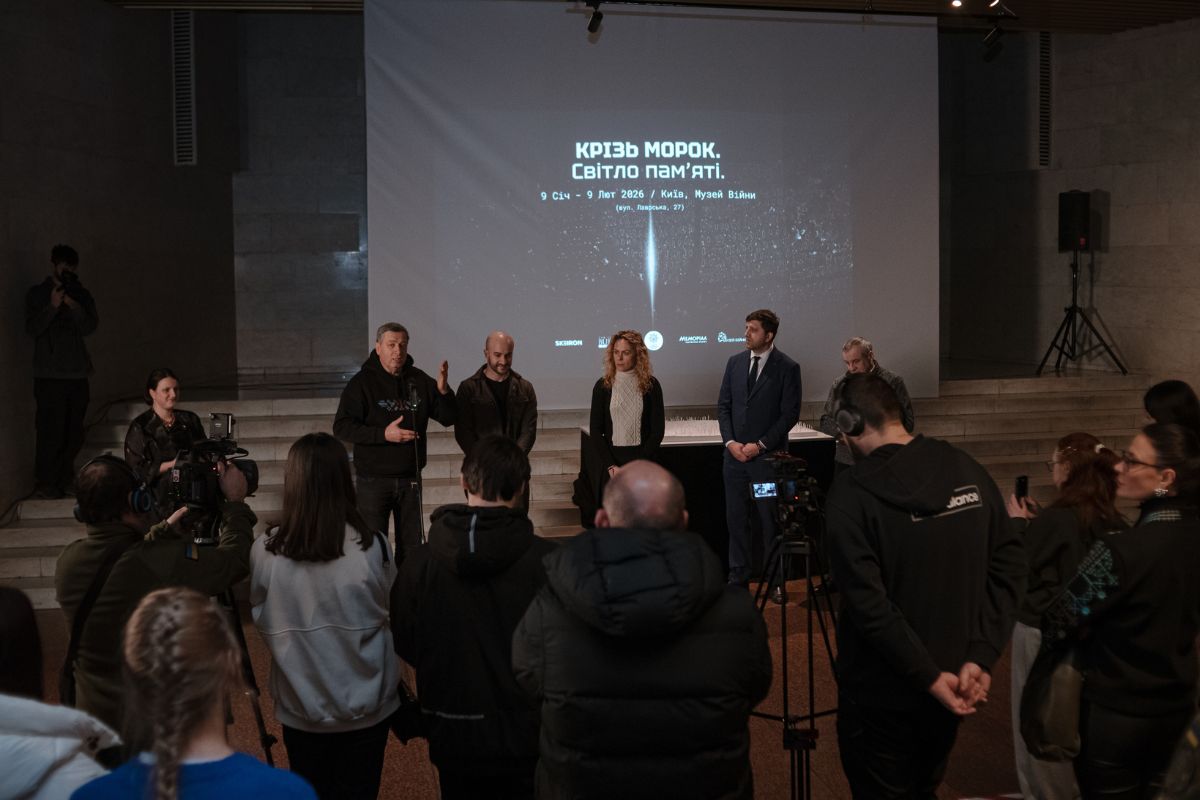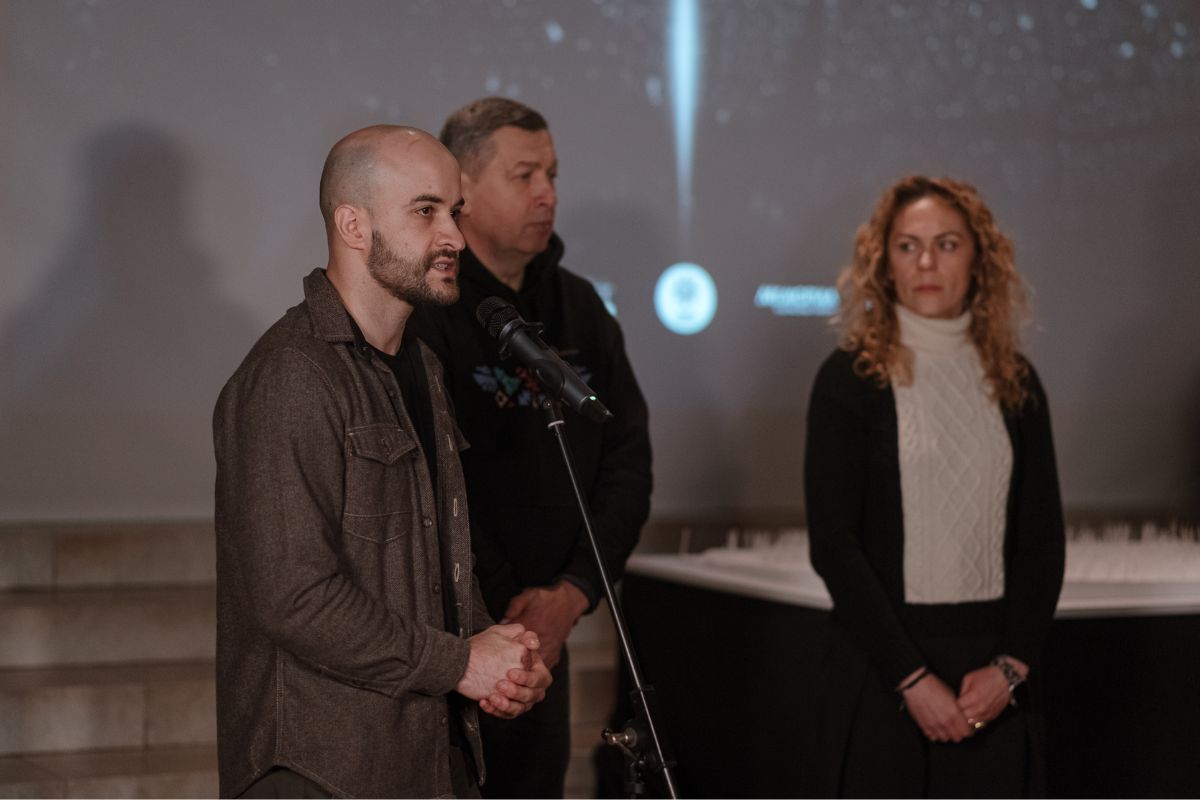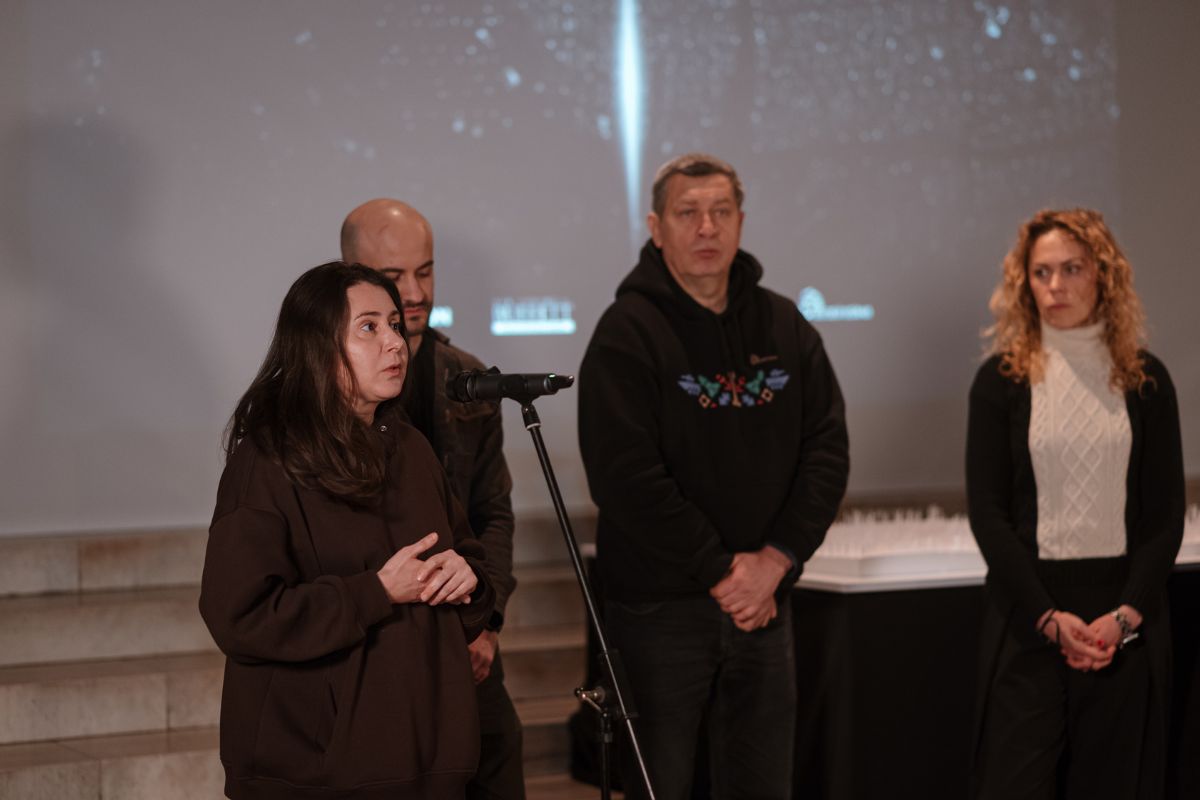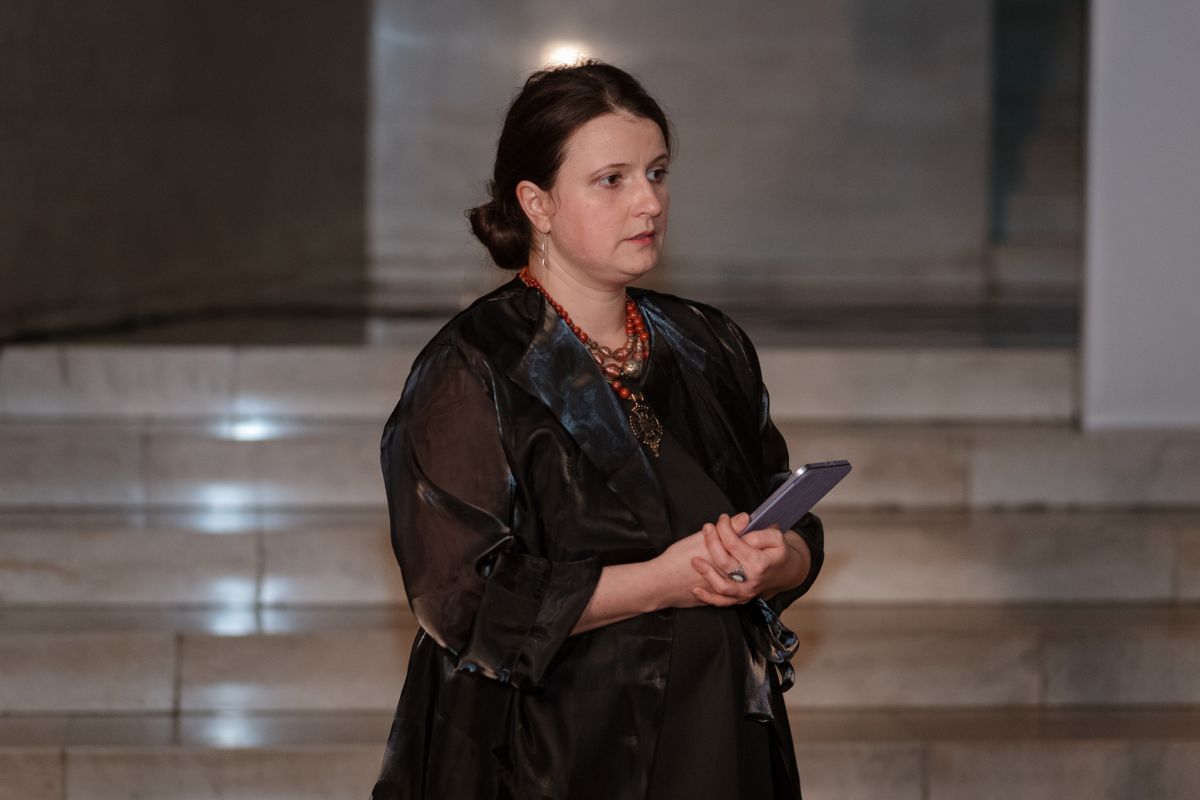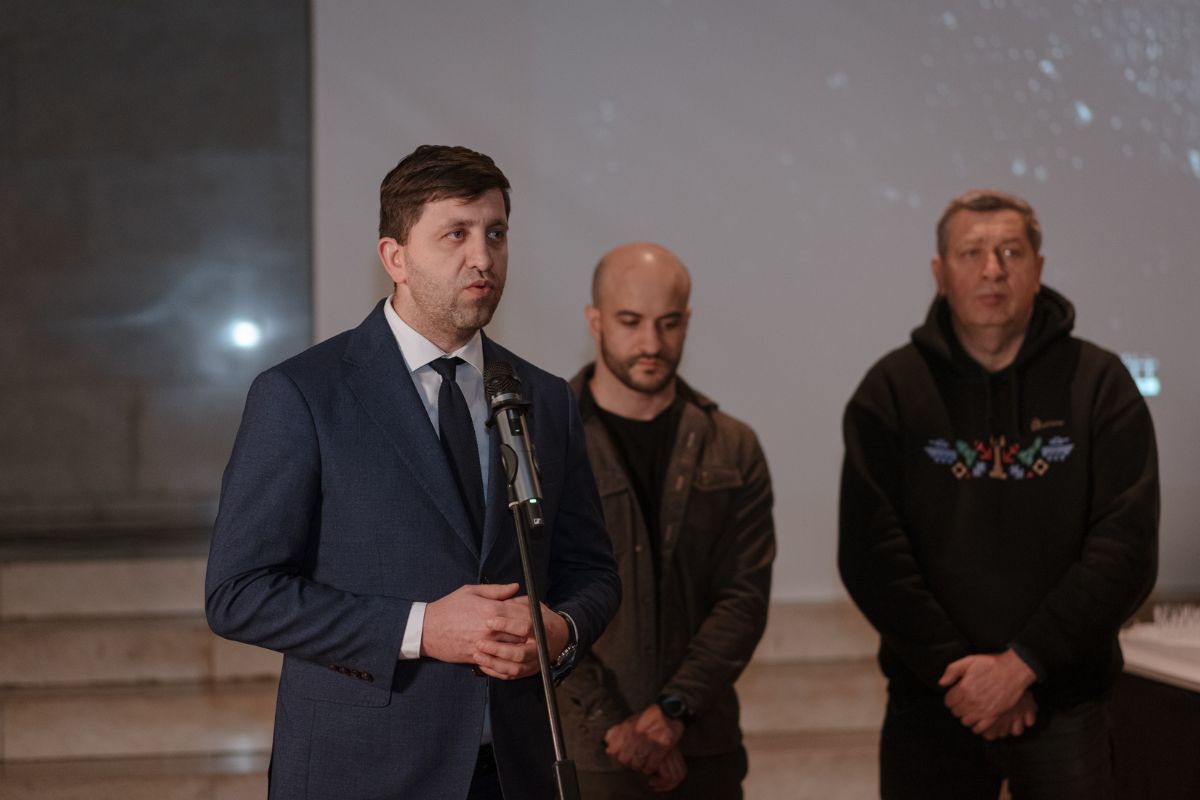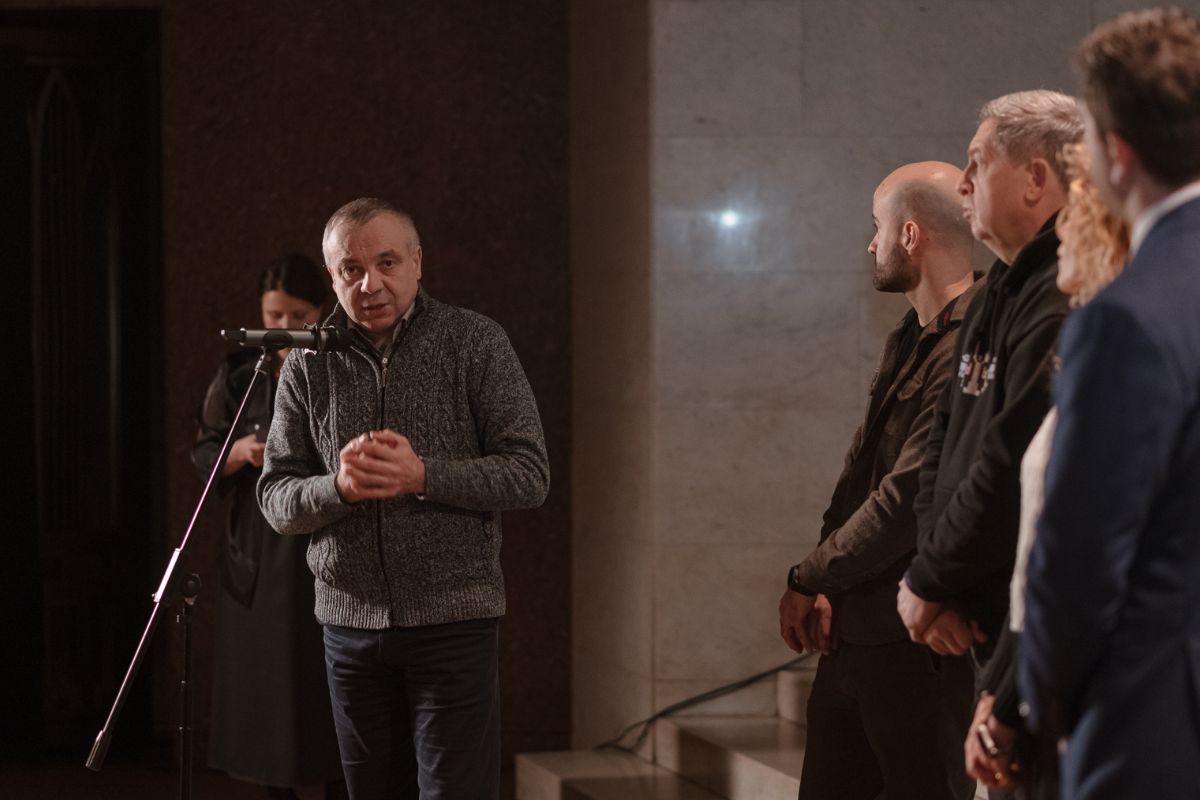


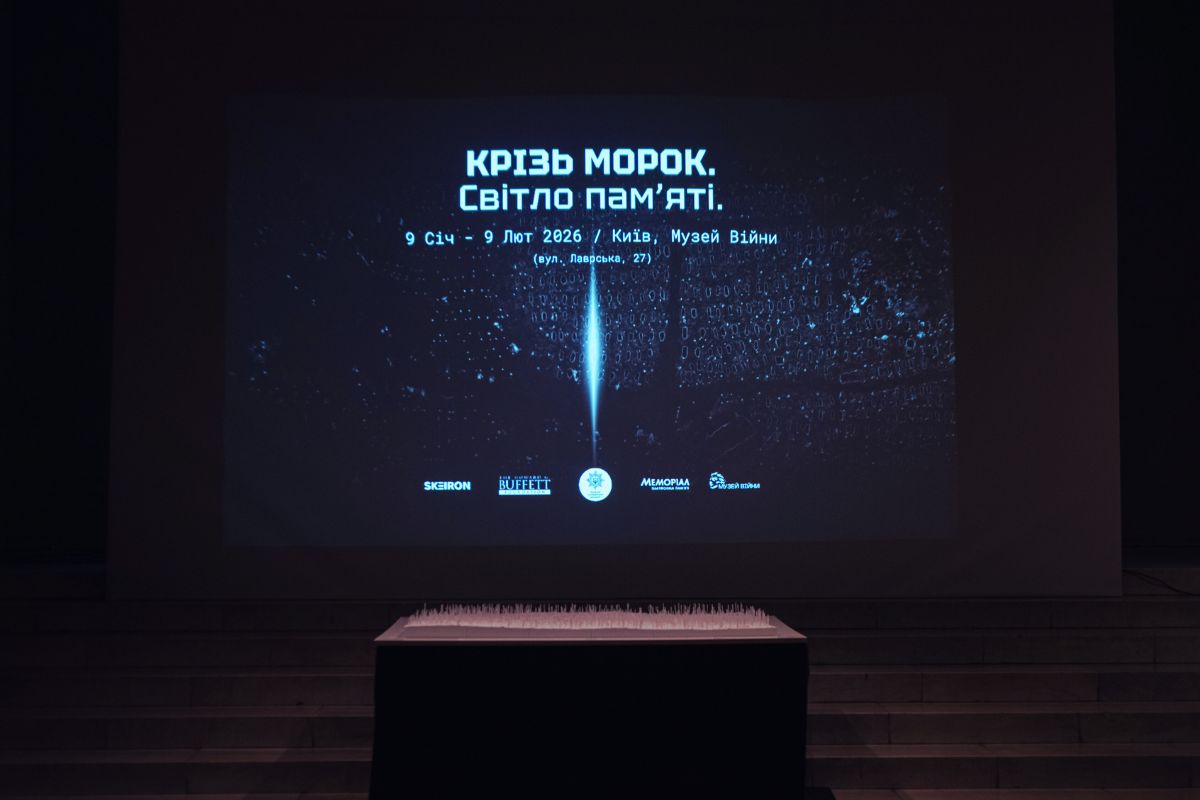
On the day when Kyiv was once again recovering after a night of shelling, the museum continued to operate as a space of memory and resilience. On January 9, the exhibition project “Through the Darkness. Light of Memory”, created by the Skeiron team, was presented here.
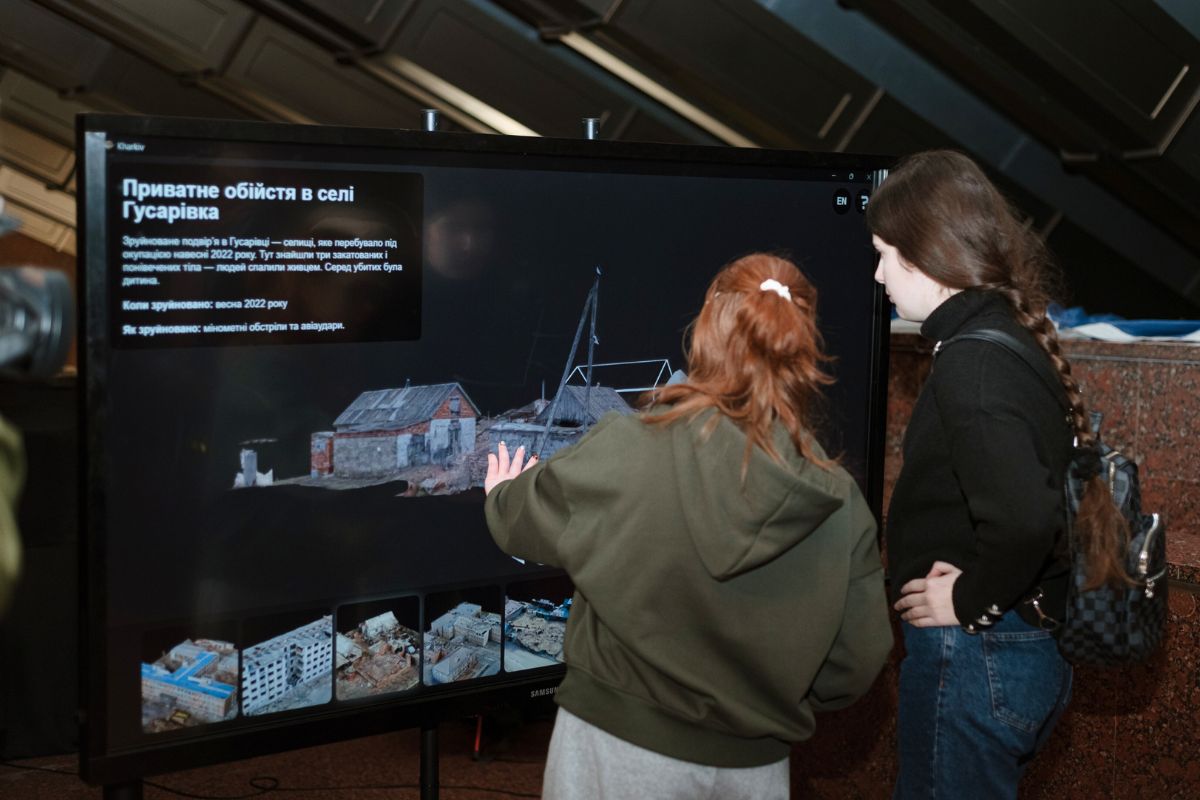
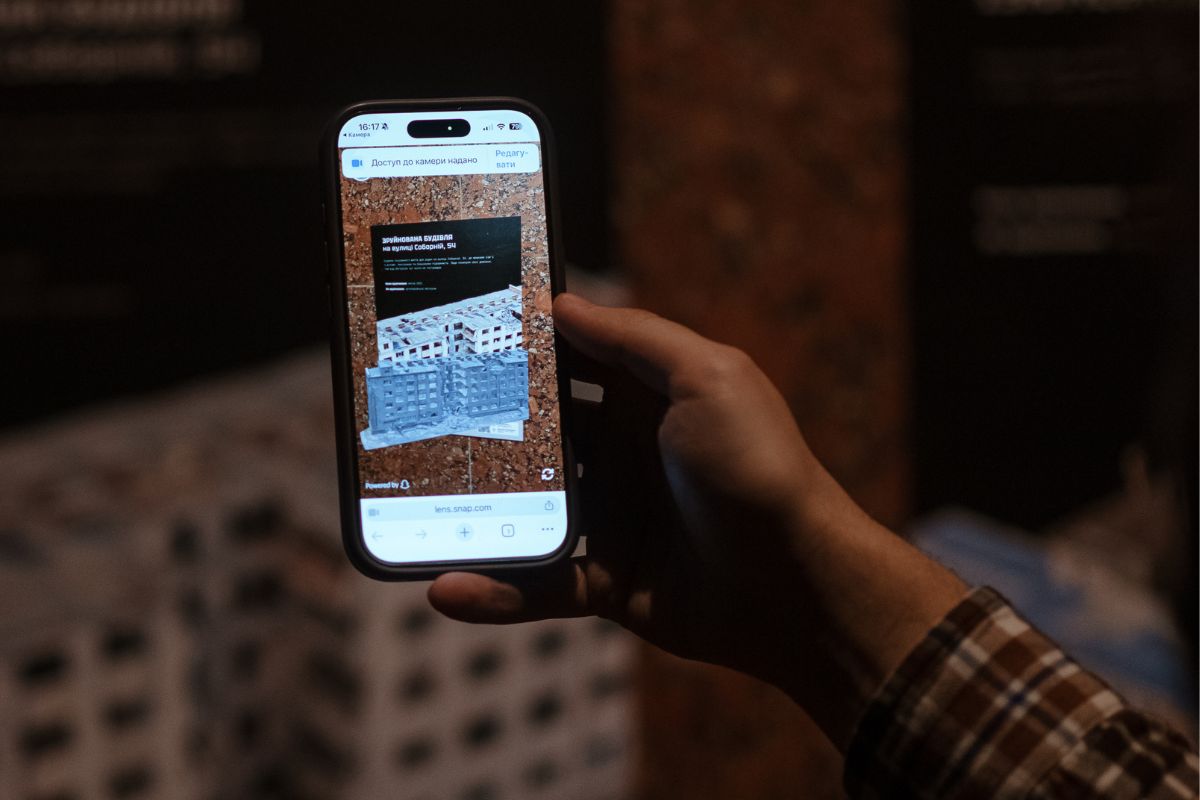
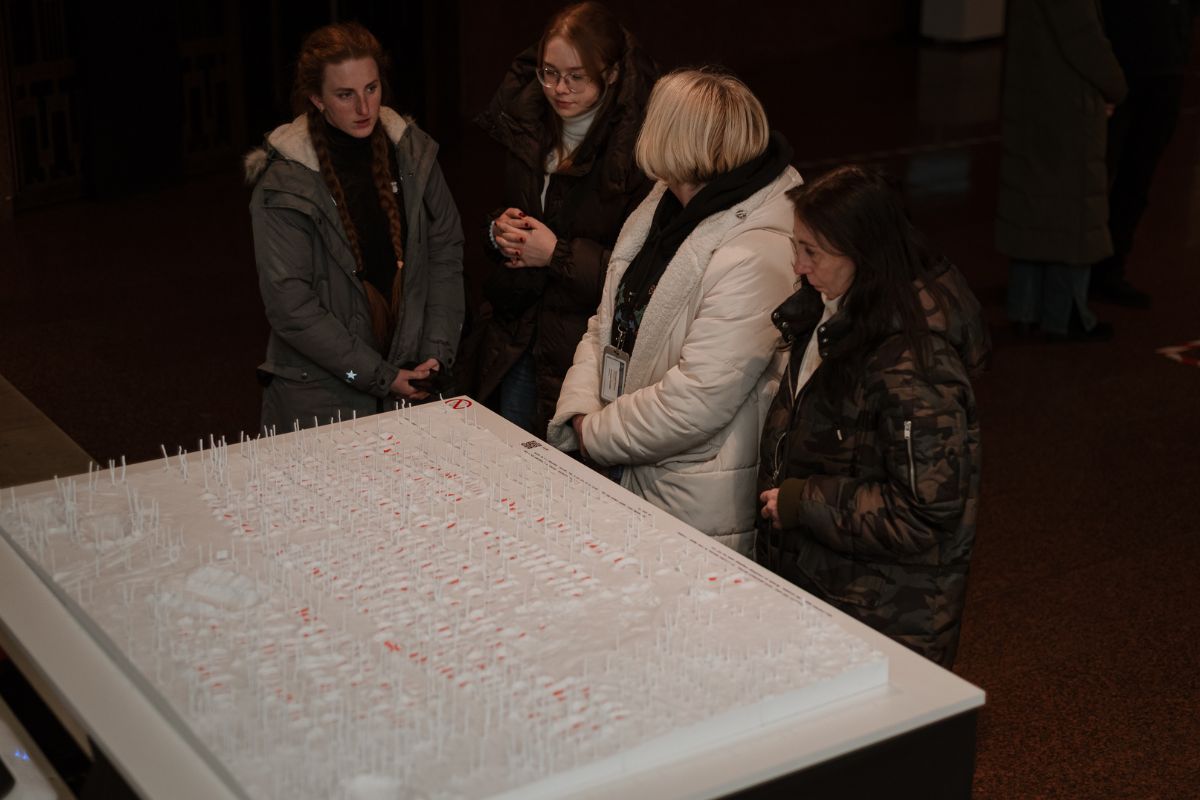
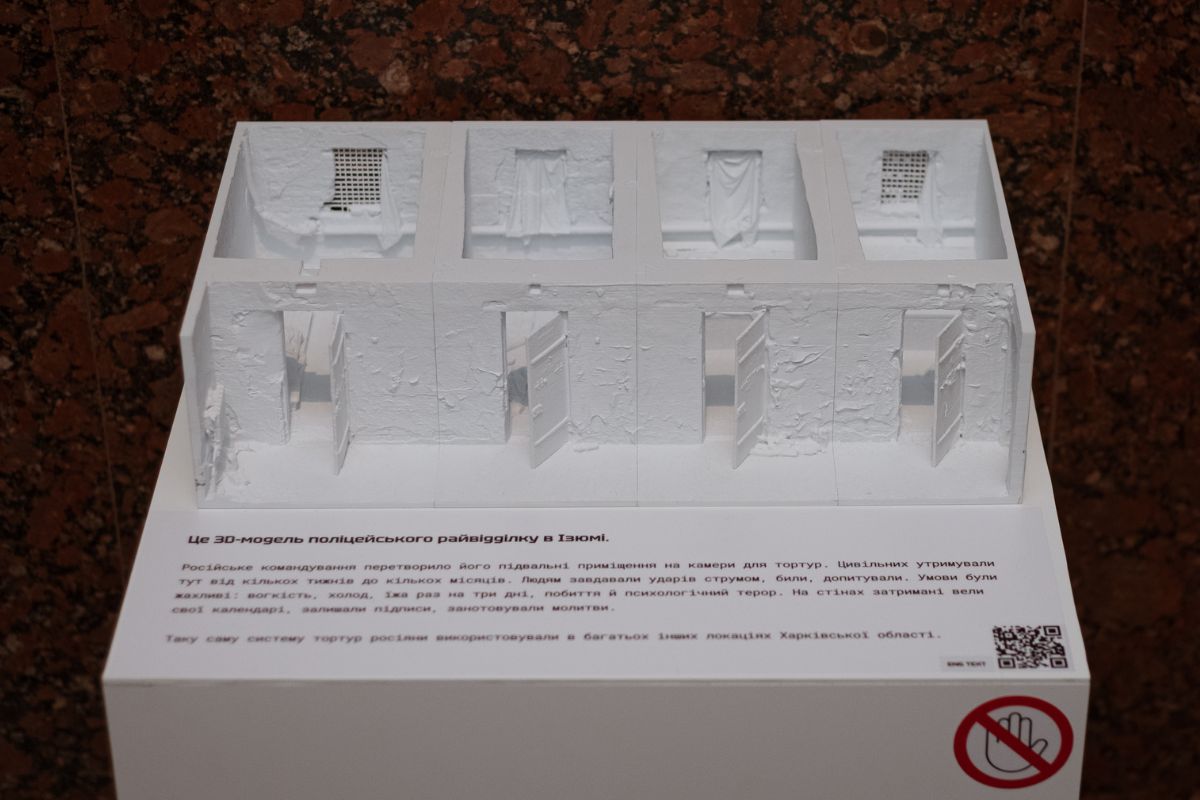
The project presents a vast array of digital data collected through the documentation of the consequences of the war: 3D models of destroyed objects, sites of illegal detention of people, and mass graves of civilians in the Kharkiv region. The region, which since 2022 has been under constant threat of military actions, occupation, and combat clashes, has become one of the most vulnerable and at the same time most thoroughly documented spaces of this war.
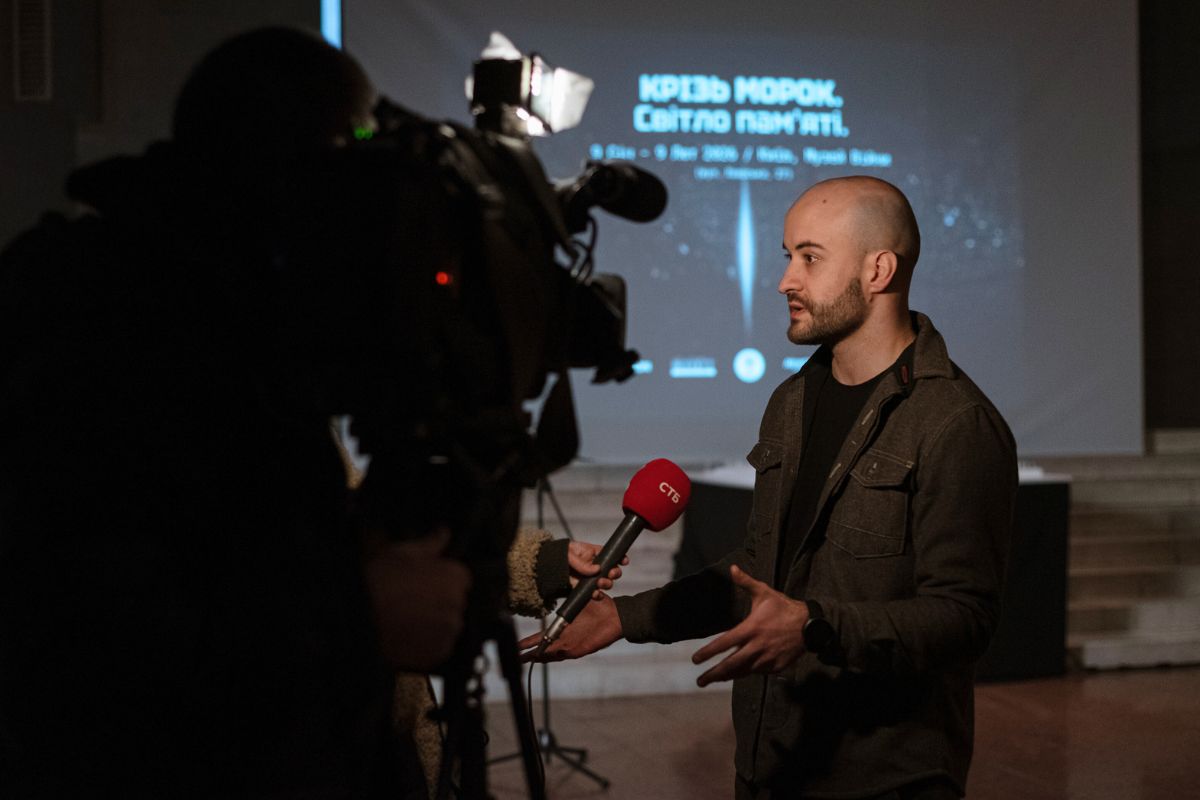
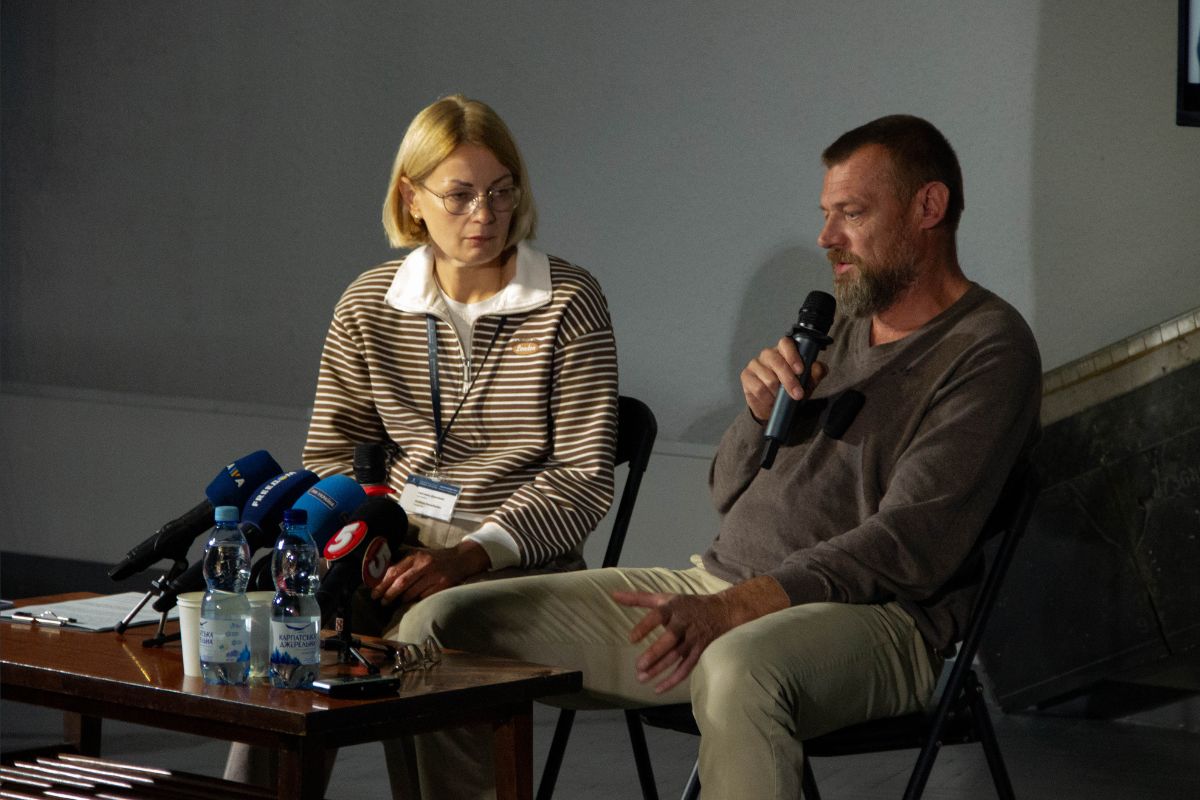
During the exhibition opening, the director of the War Museum, Yurii Savchuk, emphasized the importance of preserving such evidence: “The museum team has repeatedly worked in Izium after its de-occupation and has presented materials from the Kharkiv region in various countries around the world. We have a great public duty – to preserve, disseminate, and perpetuate the memory of these events.”
The recording of crimes is an integral part of broader processes of establishing justice and accountability. This point was highlighted by the Deputy Minister of Culture of Ukraine, Anastasiia Bondar: “This project is not only about resistance, but also about resilience. Documentation is important not only for exhibitions, but also for international tribunals. Multimedia formats allow the project to be quickly deployed at another location and to show reality as objectively as possible, immersing a person in the situation.”
One of the inspirers and co-authors of the project, Yurii Prepodobnyi, spoke about the long journey of creating the exhibition: “During the expeditions, I saw these crimes on site and understood that they could not be left merely as datasets. For more than two years now, this project has been our core focus. The Howard G. Buffett Foundation itself initiated the use of these materials in cultural diplomacy.” For the conceptual curator of the exhibition, Viktoriia Skorokhid, it was important both to demonstrate the scale of the destruction and to preserve humanity and sincerity in the narrative.
The exhibition materials are preserved in digital format — as evidence that cannot be erased or denied. This was emphasized in their speeches by the head of the State Archival Service of Ukraine, Anatolii Khromov, and the deputy director of the Ukrainian Institute of National Memory, Volodymyr Tytyshchak.
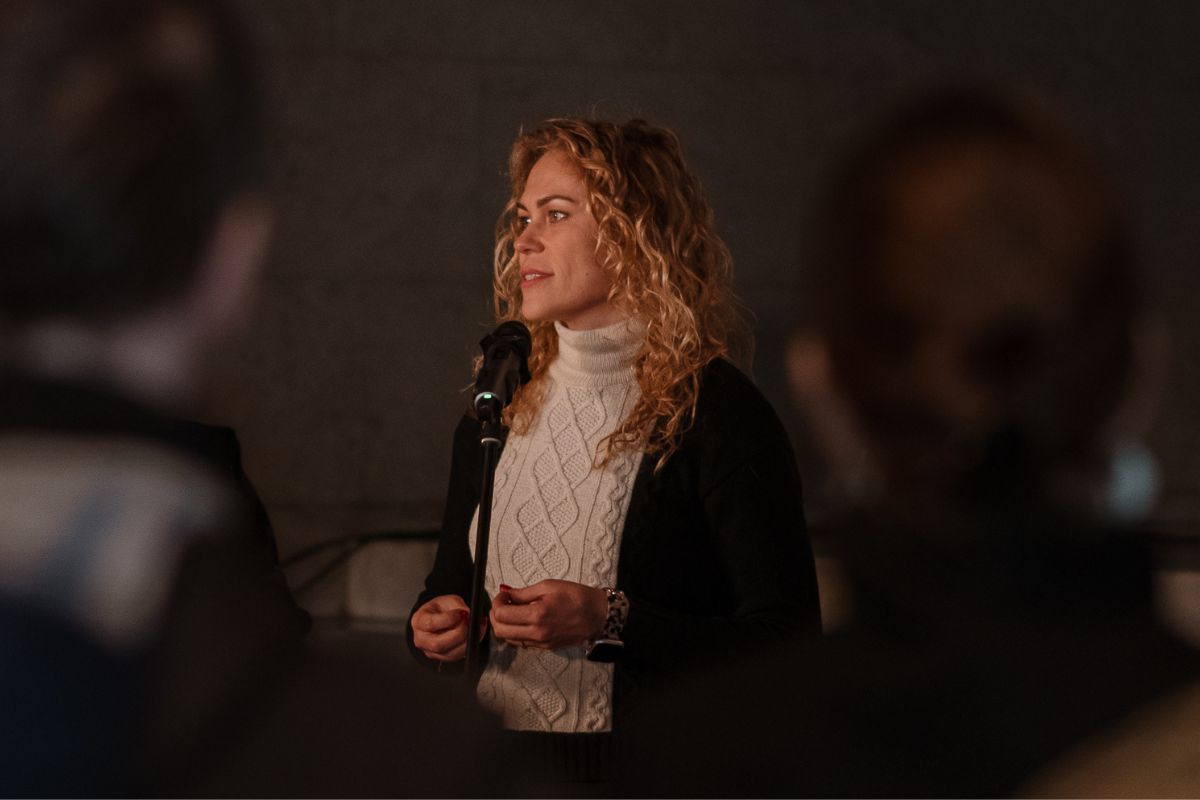
An important component of the exposition consists of personal stories of residents of the Kharkiv region, provided by the Main Directorate of the National Police in Kharkiv Oblast and the Memorial Memory Platform. According to the head of the platform, Lera Lauda, more than 12 thousand verified stories of the deceased have already been published, and documentation in the Kharkiv region was one of the most difficult tasks: “We searched for relatives, verified data, walked the streets of destroyed communities, entered empty houses. Our task is to lay the foundations of how this war will be remembered.”
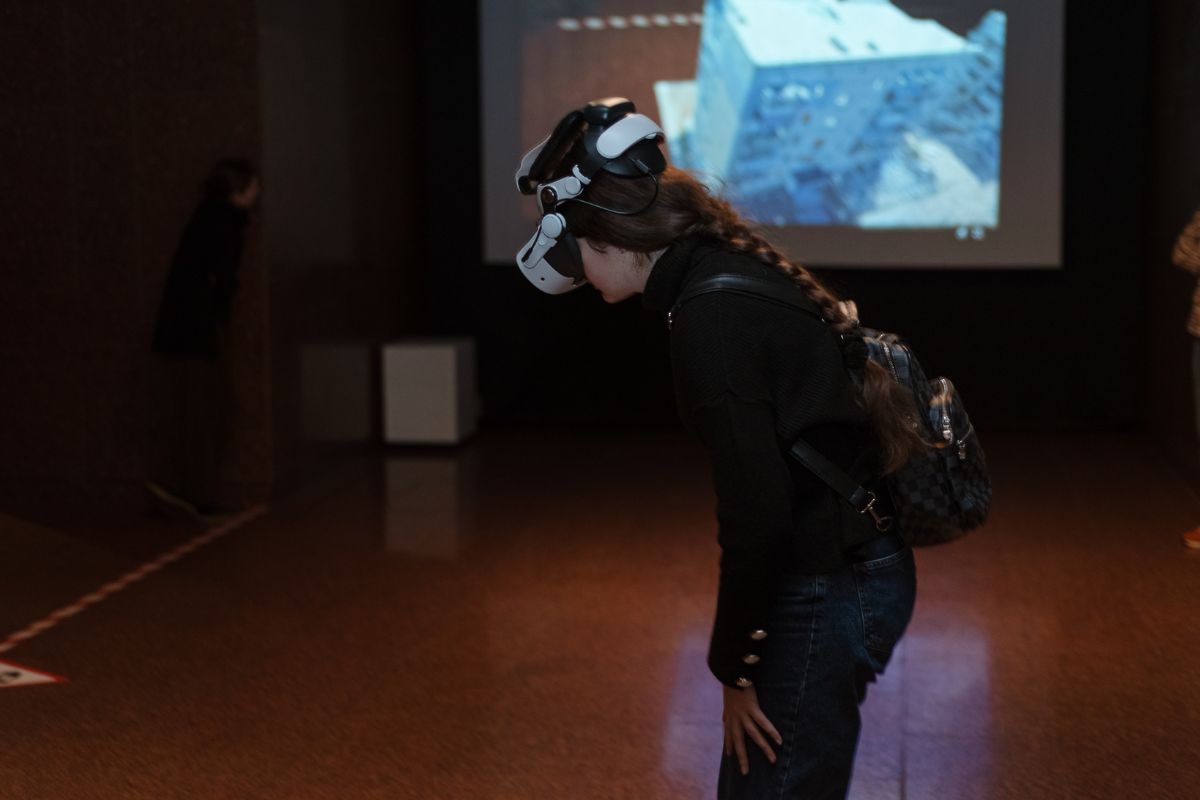
“Through the Darkness. Light of Memory” is not only the documentation of facts, but also a space for reflection, where 3D scanning, photogrammetry, and sound help convey the realities of war with respect for the experiences of those who suffered.
Thanks to the Skeiron team, creative curator Viktoriia Skorokhid, the Howard G. Buffett Foundation, the Main Directorate of the National Police in Kharkiv Oblast, and the Memorial Memory Platform, you can already view the exhibition in the Main Building of the War Museum.