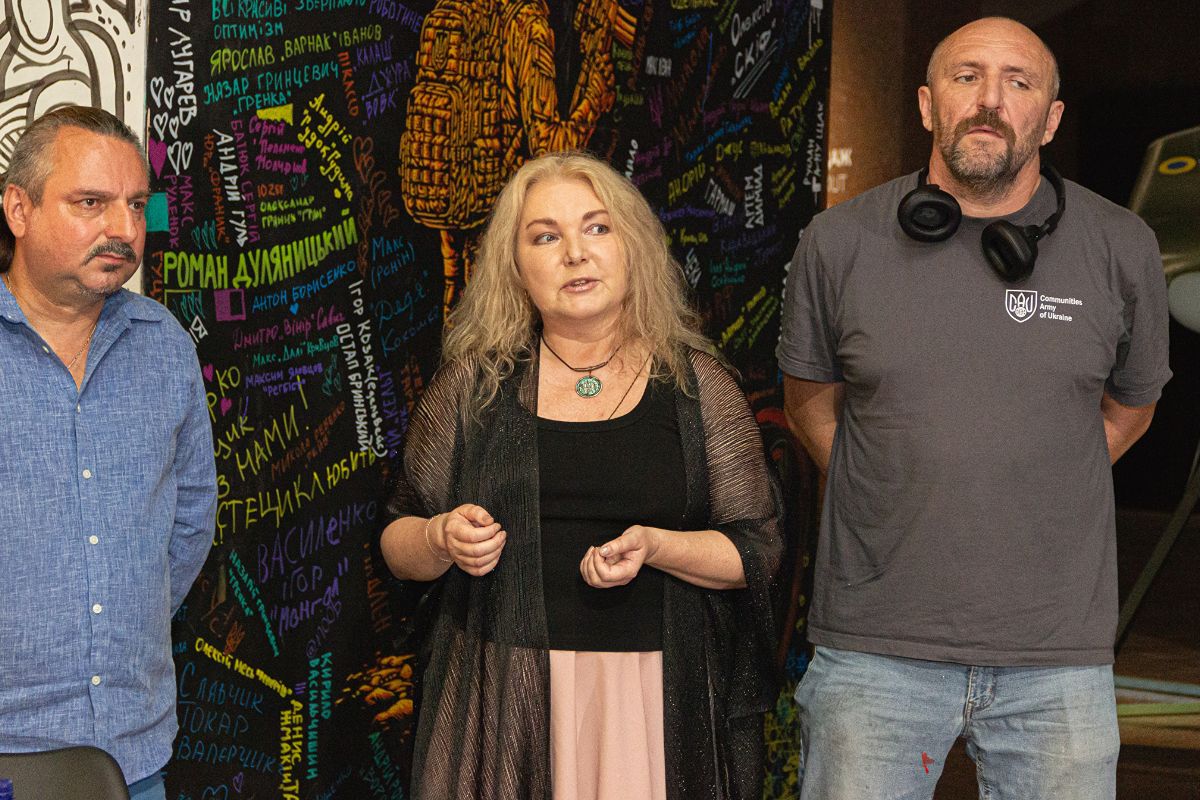


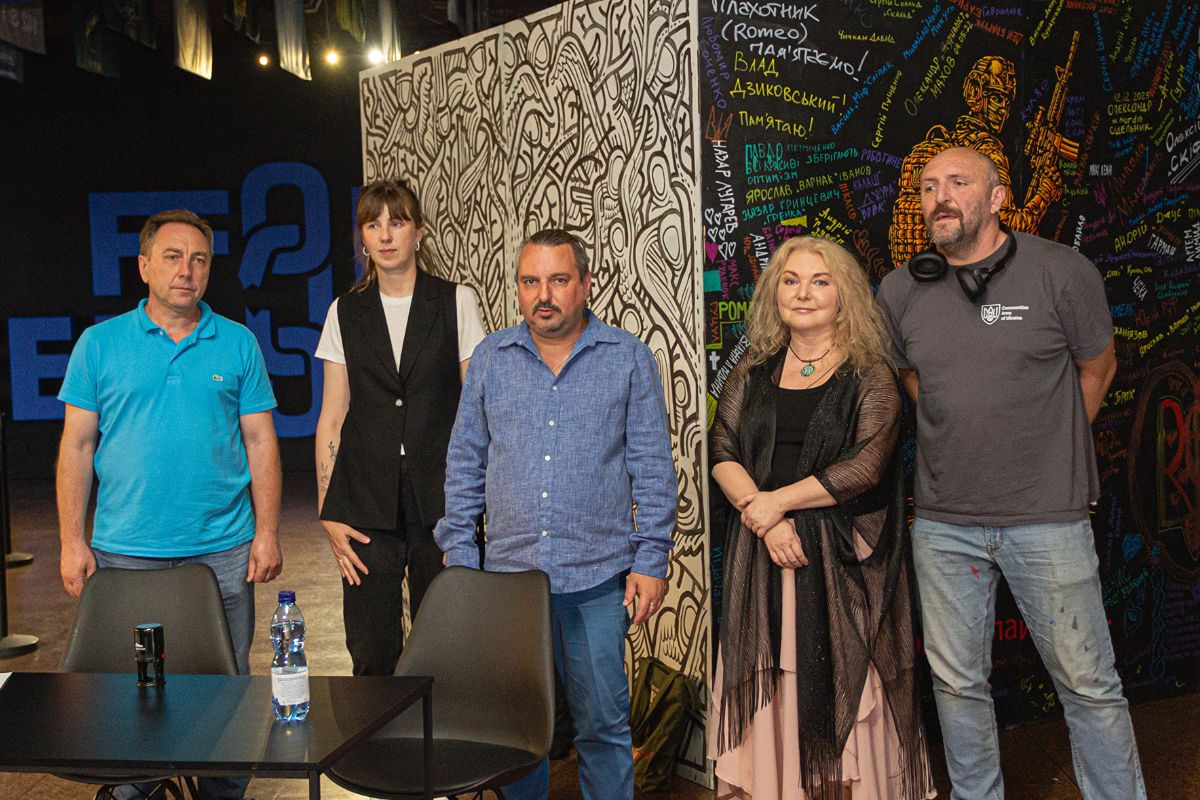
The War Museum has received four large-scale paintings created as part of the artistic project Protasiv Yar: Four Perspectives during the fourth Protasiv Yar Festival, held in memory of Roman Ratushnyi. Measuring 2.5 × 2.5 metres, the works will now form part of the Museum’s collection documenting the russian-Ukrainian war through the language of art.
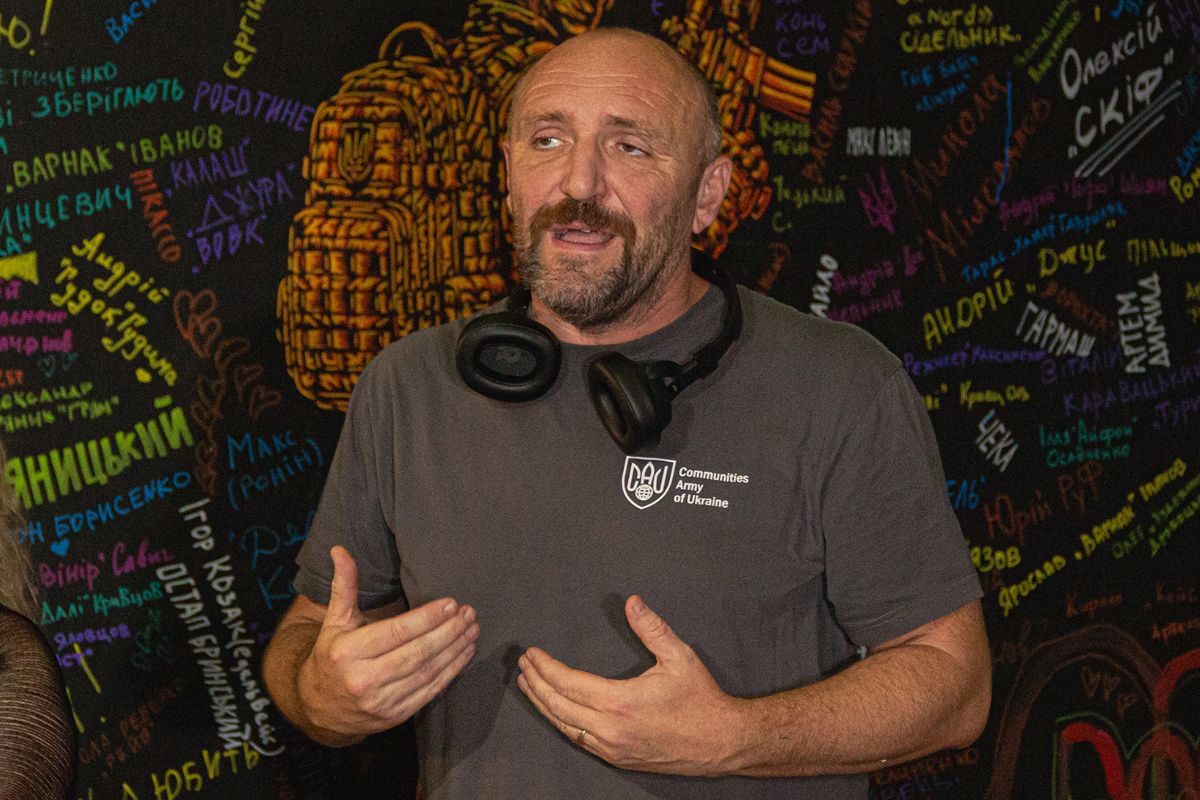
The paintings were created by four artists: Andrii Yermolenko created ‘Mother, Please Don’t Scold Me!..’; Nikita Titov ‘Brothers. Gratitude’; Maksym Palenko, ‘David and Goliath’; and #NEIVANMADE (Mykhailo Skop), ‘The Tree’. The project was curated by artist Yarema Stetsyk, father of Yurii Stetsyk, a fallen defender of Ukraine. A distinctive feature of the project was the festival visitors’ participation in creating the paintings. Each work therefore preserves not only the artist’s original vision, but also the shared experience of living through the war.
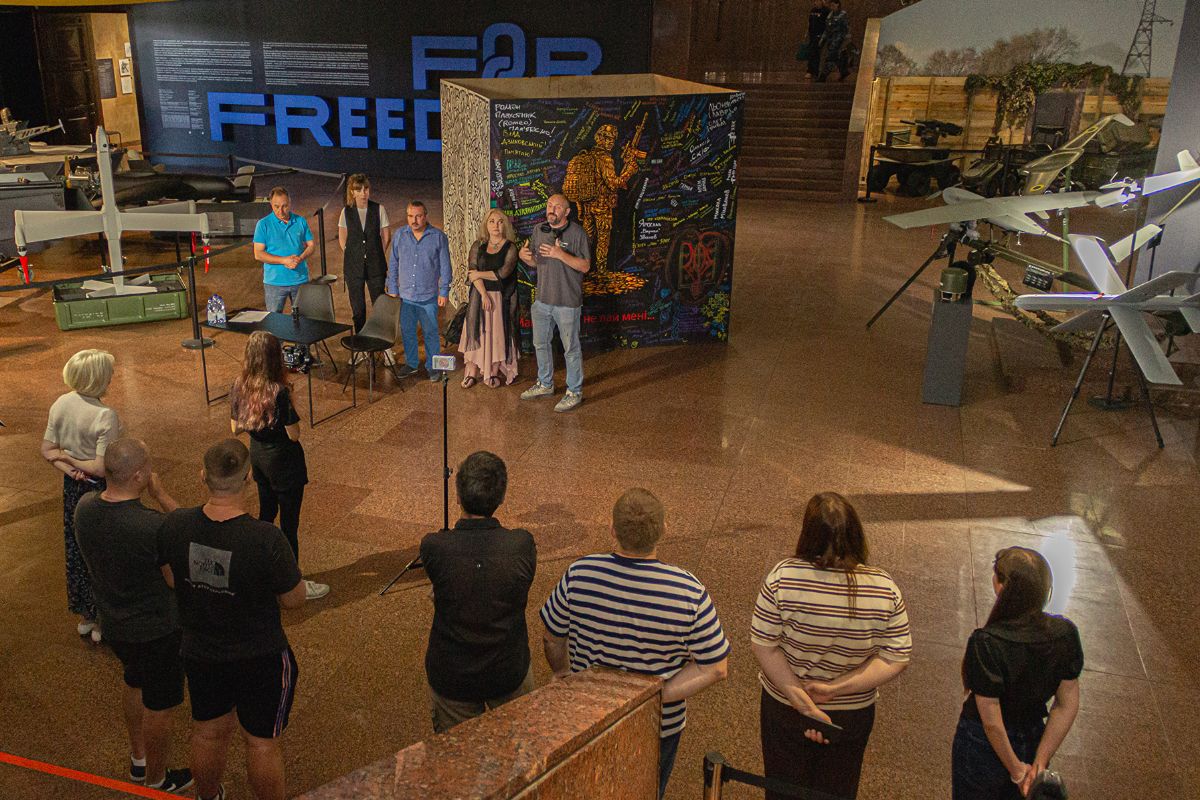
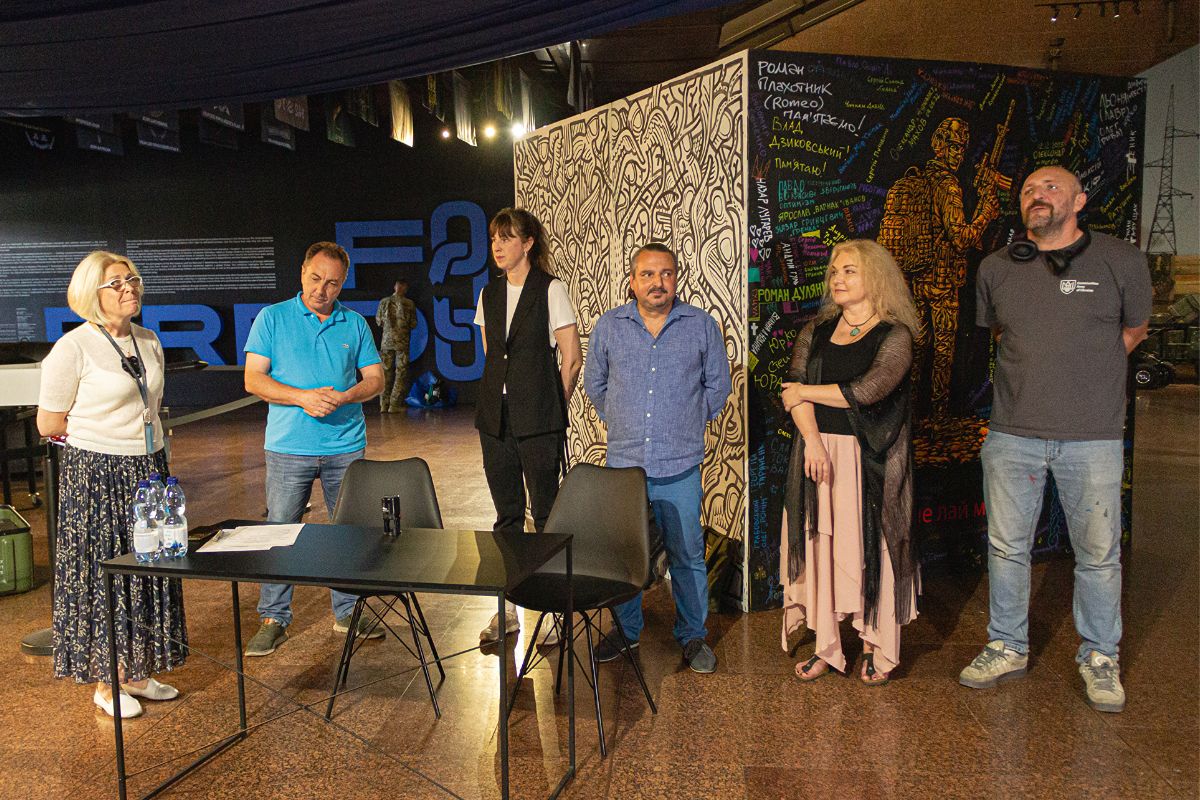
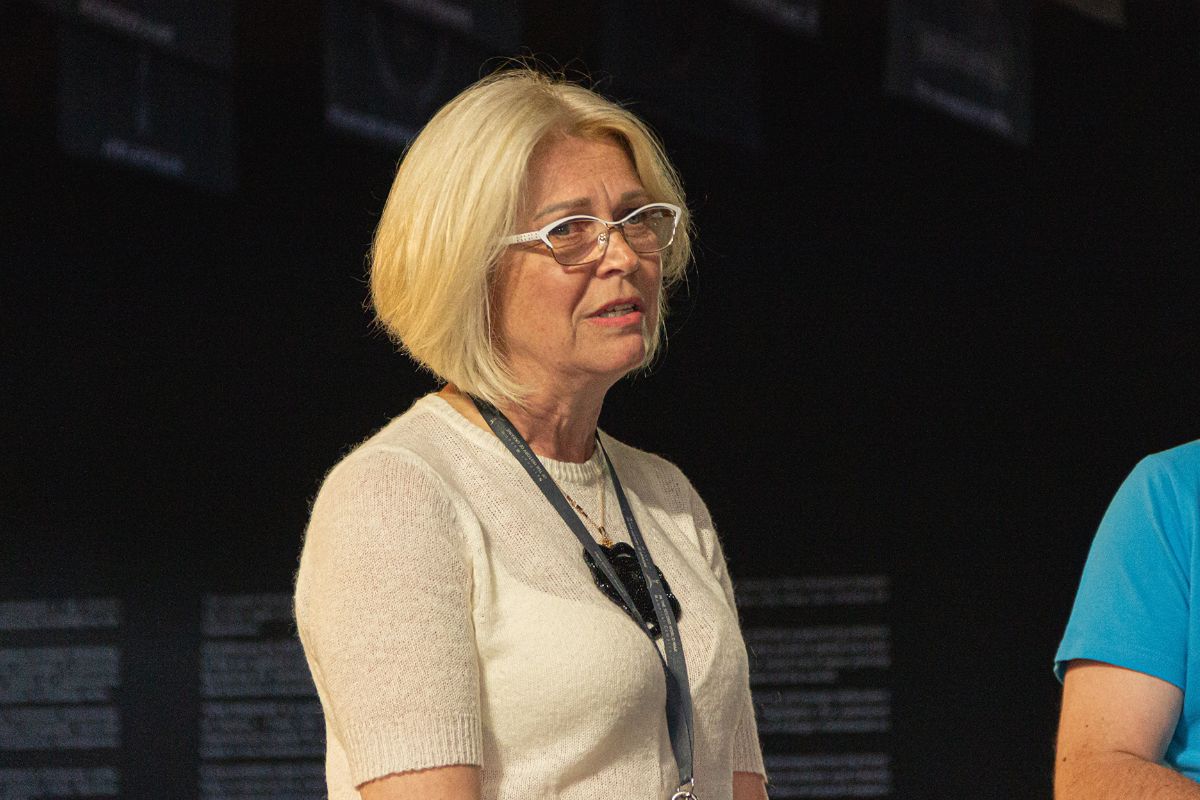
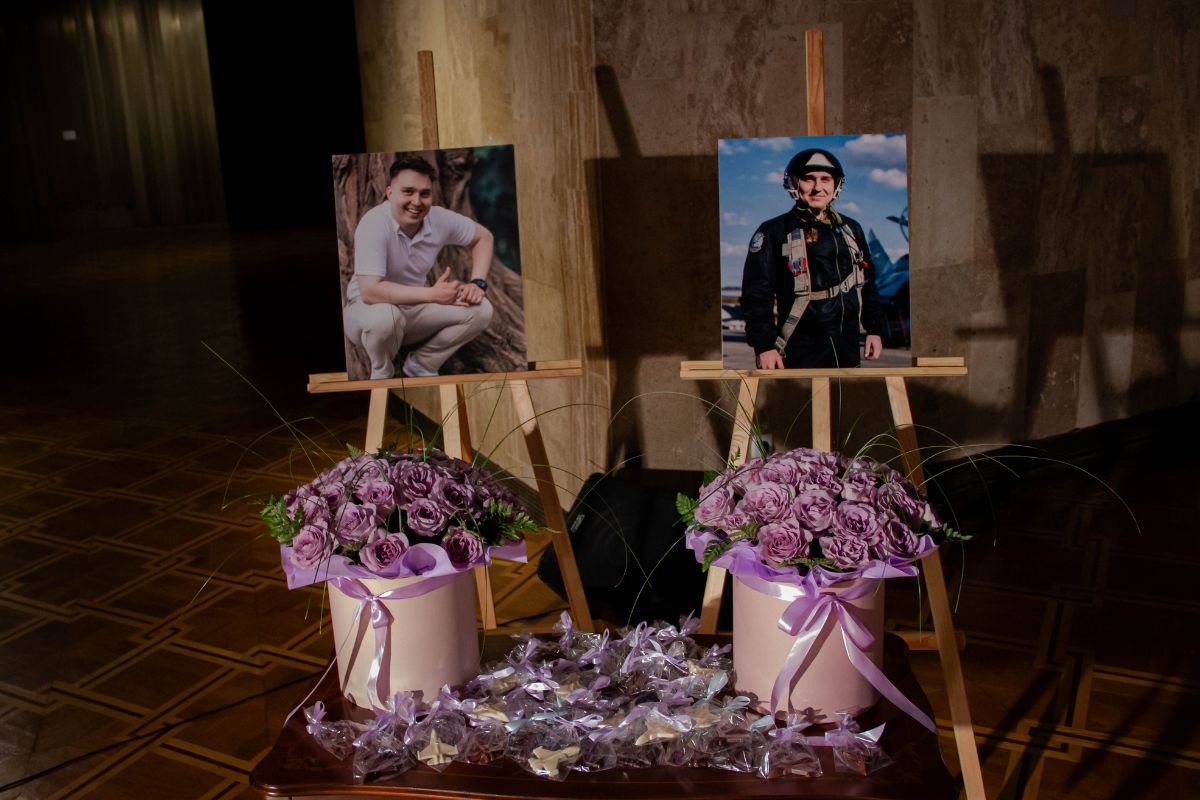
At the handover of the works to the Museum’s collection, writer Svitlana Povaliaieva, founder of the Protasiv Yar Festival in Memory of Roman Ratushnyi and mother of fallen Ukrainian defenders Roman and Vasyl Ratushnyi, emphasised that her sons had always understood the importance of preserving evidence of the war in museums.
‘Roman worked with the Maidan Museum, and just a few days before Vasyl was killed, he reminded me: “Have you given those three trophies from Torske to the War Museum?” This is important because it preserves not only historical and cultural continuity. What we are creating today is what archaeologists will uncover centuries from now.’
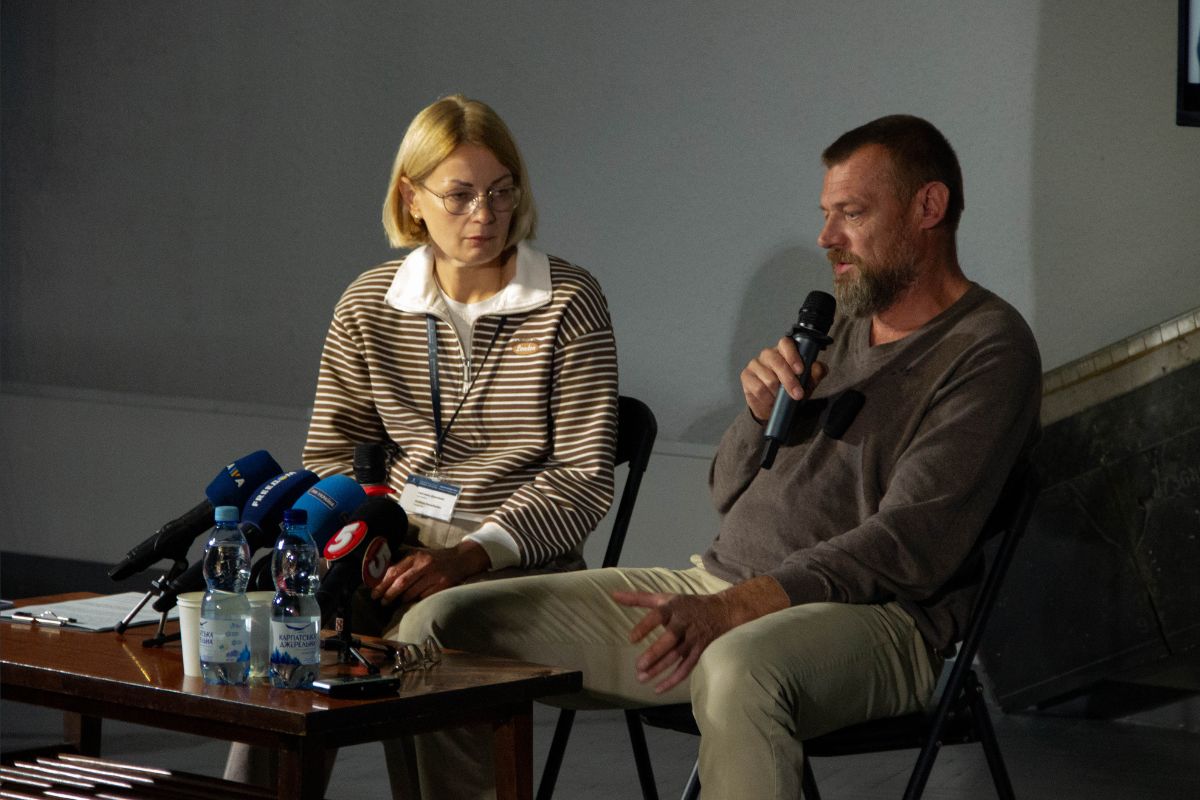
One of the project’s artists, Shevchenko Prize laureate and serviceman Andrii Yermolenko, emphasised that art today is also part of the struggle: ‘Art is a powerful weapon. It is another form of mental ammunition that will support those who visit the Museum.’
Oksana Ihnatova, Executive Director of the NGO Protasiv Yar Festival in Memory of Roman Ratushnyi, thanked the Museum team for its exhibition design. While the paintings were displayed separately at the festival, in the Museum they have been brought together to form a single cube-shaped monolith, offering a new way of interpreting the works.
The Museum is grateful to the festival organisers for entrusting it with the preservation of these works as an integral part of the cultural heritage of the russian-Ukrainian war. They were not created as reflections on events many years later, but emerged while those events were still unfolding and are already becoming museum artefacts today.