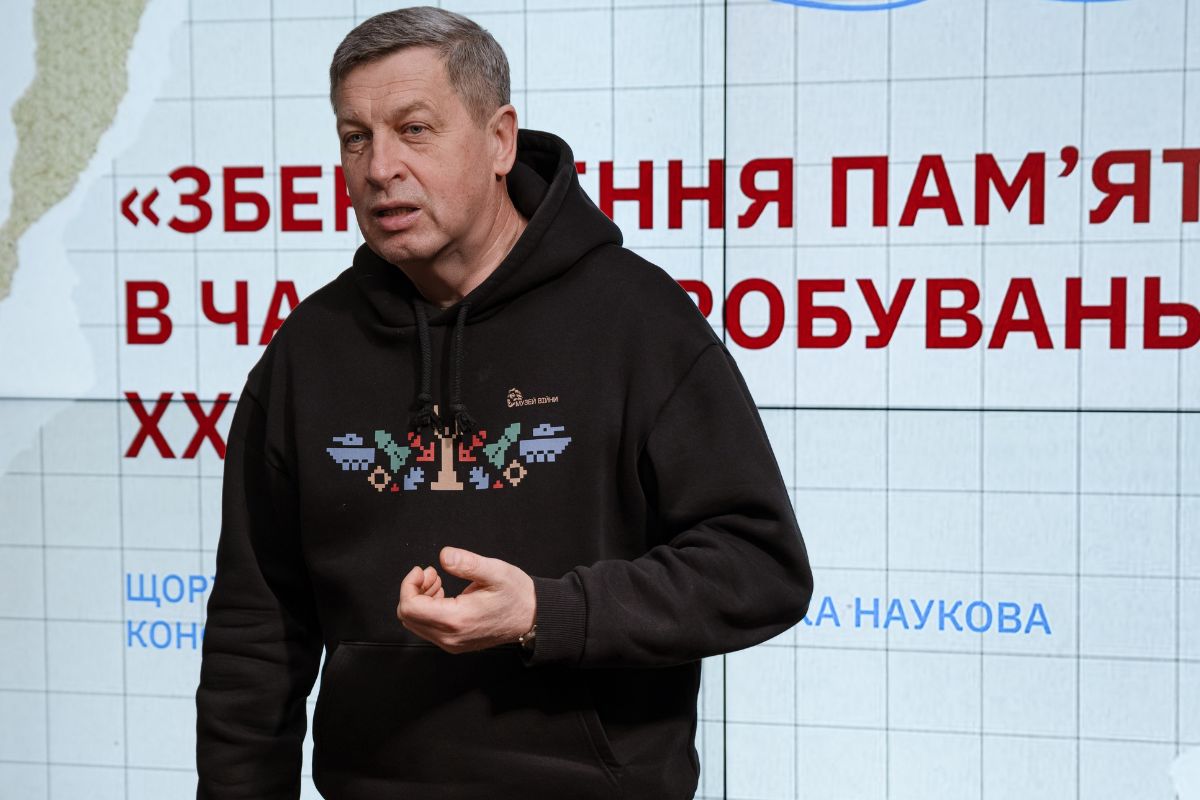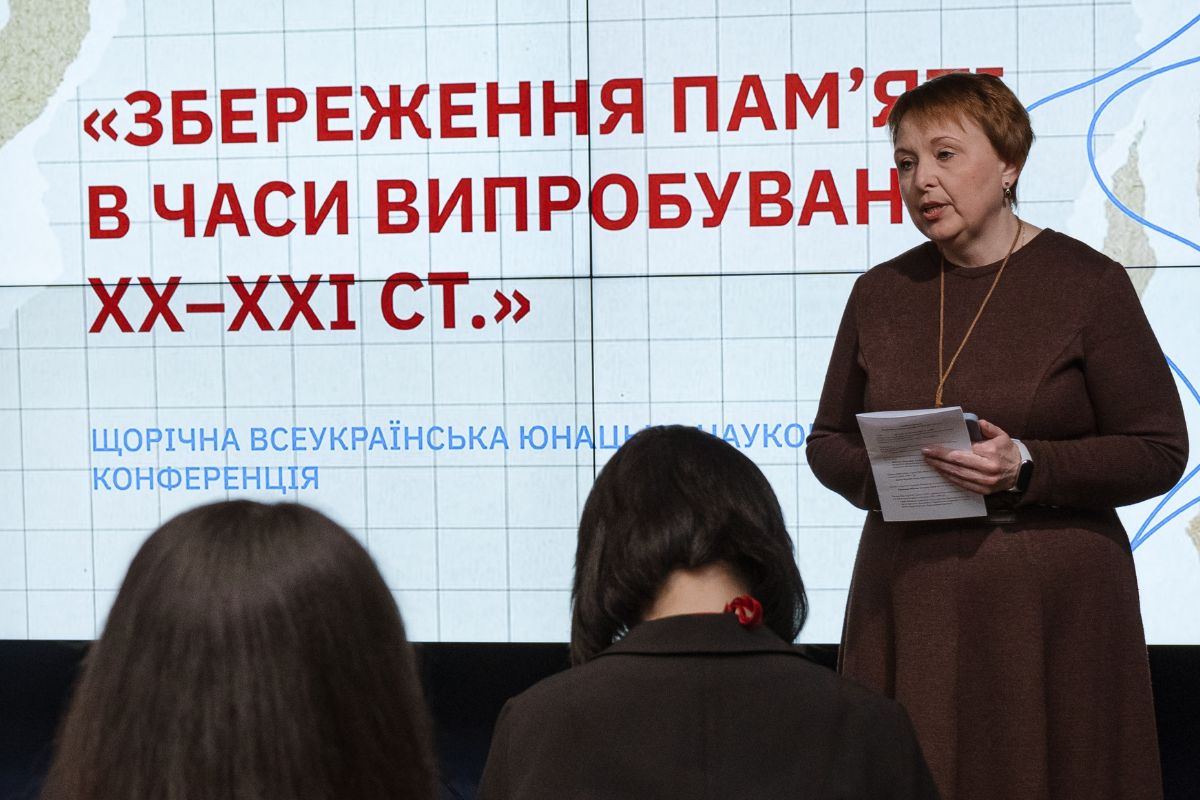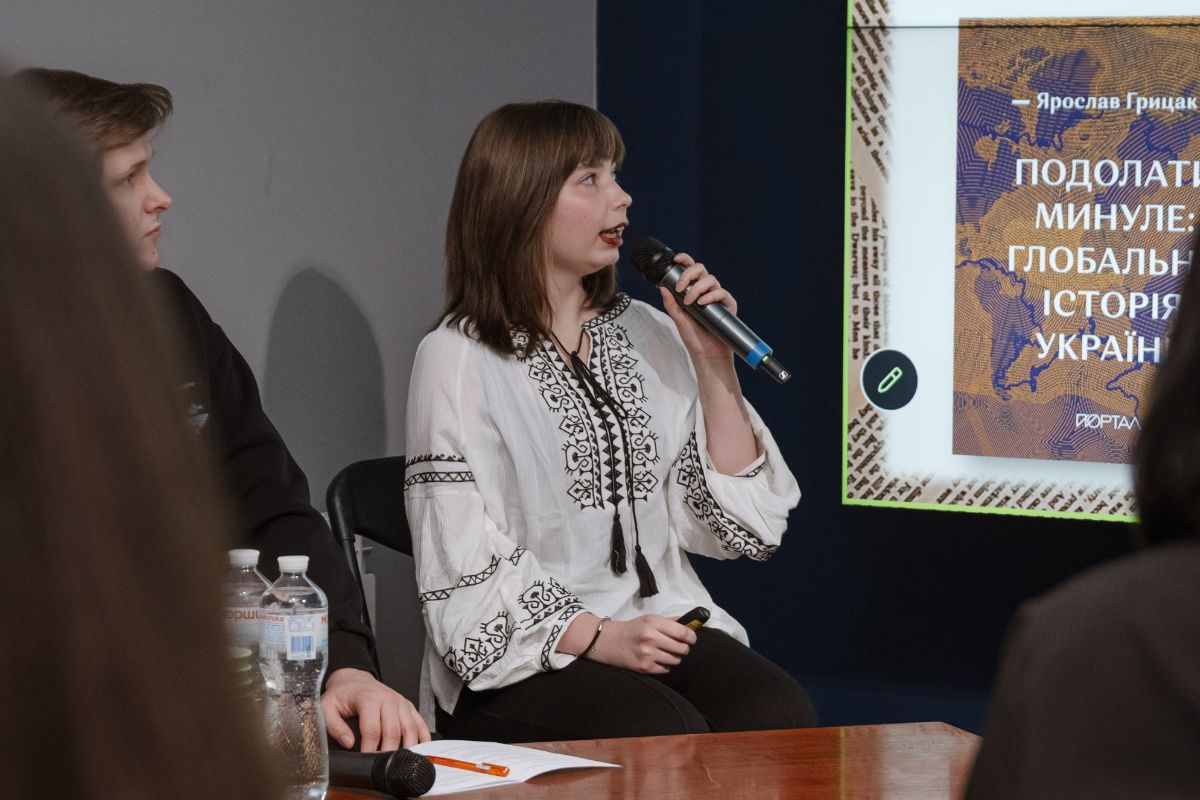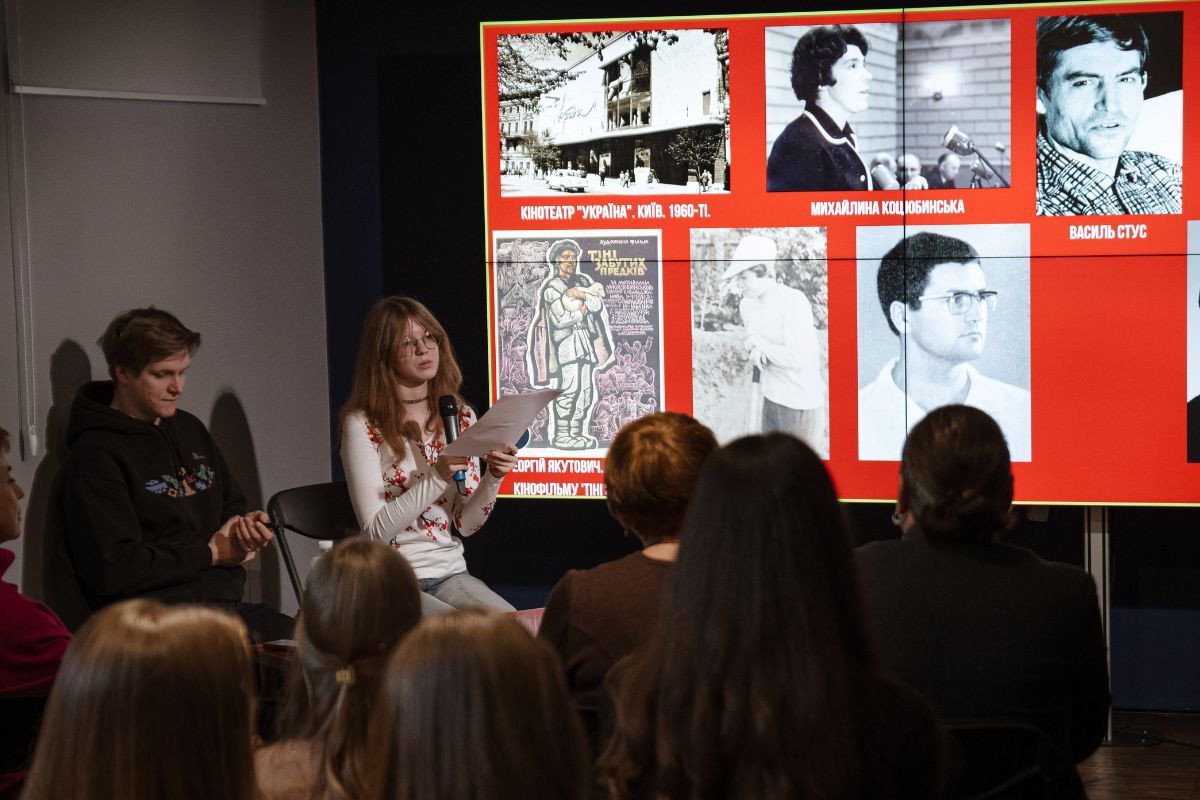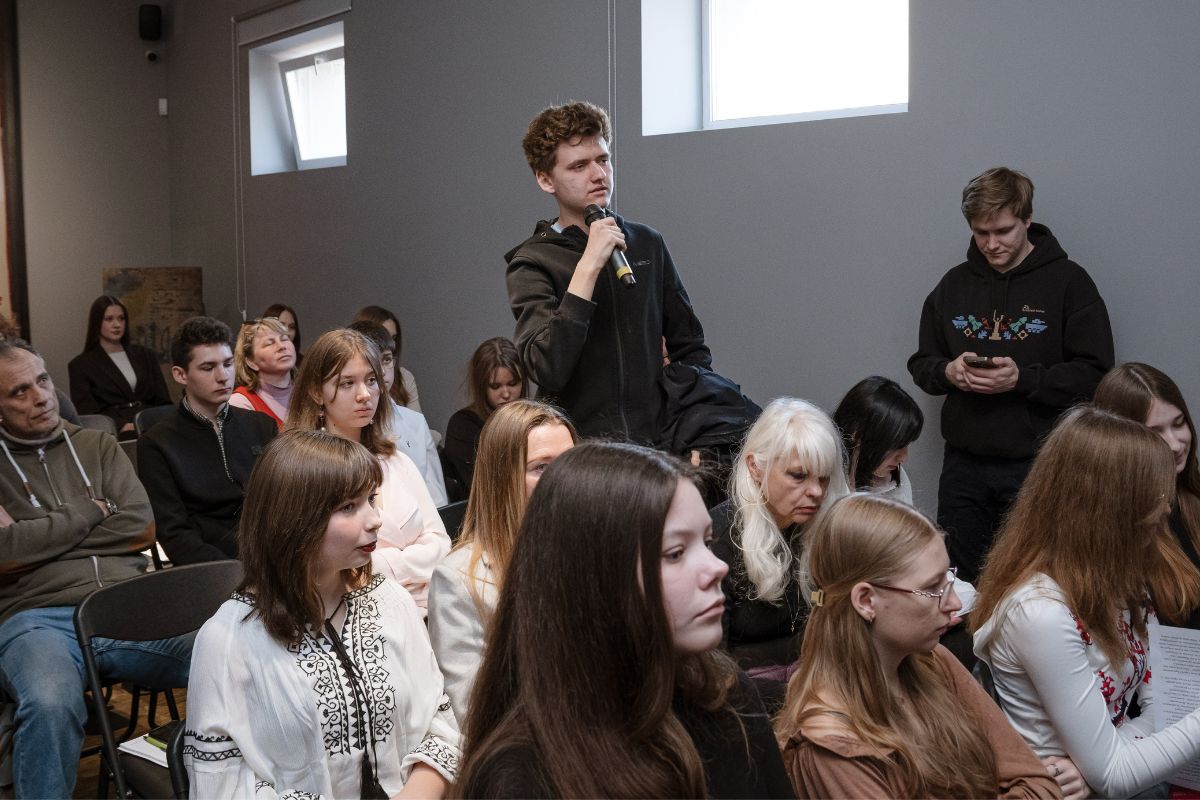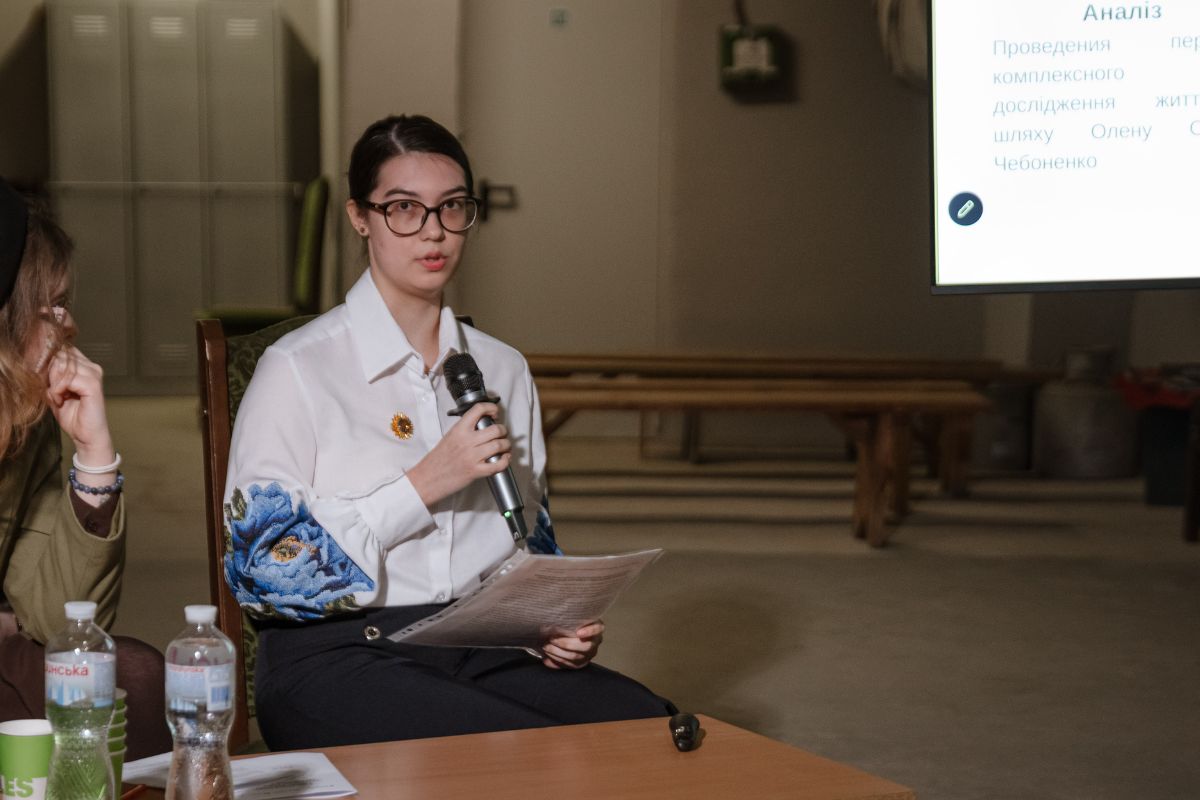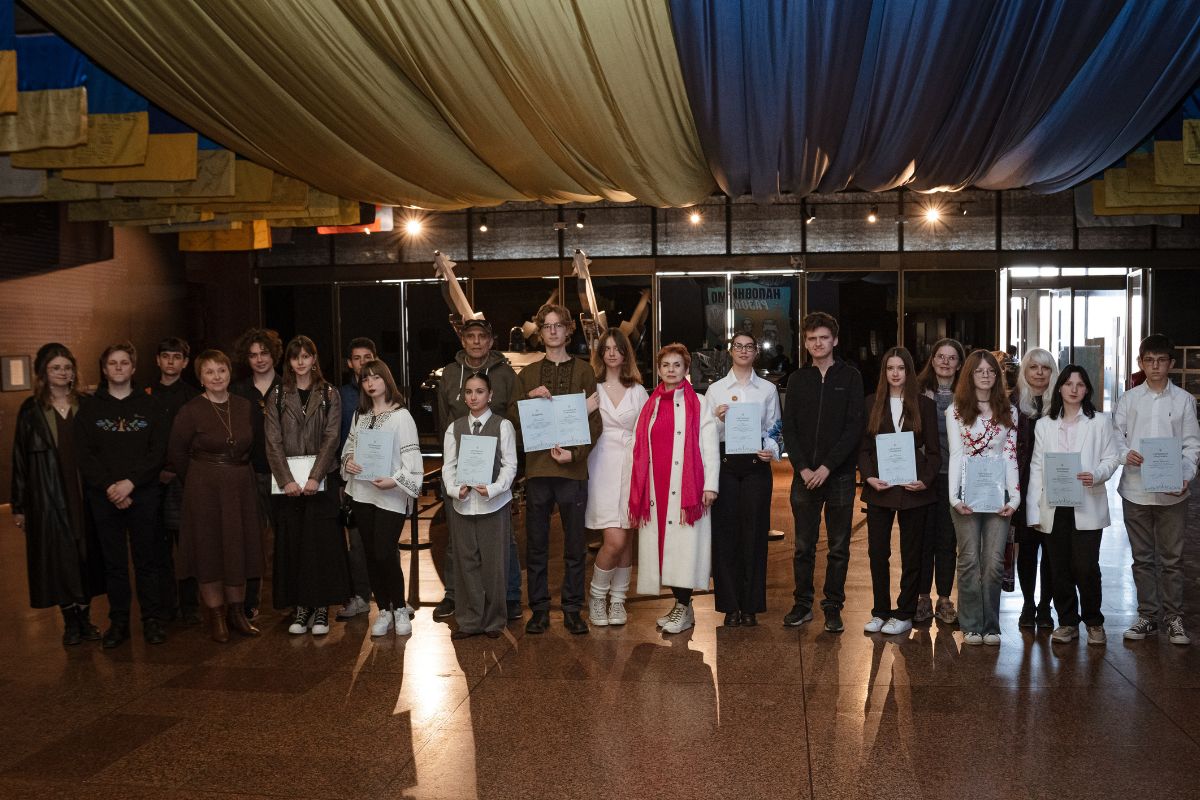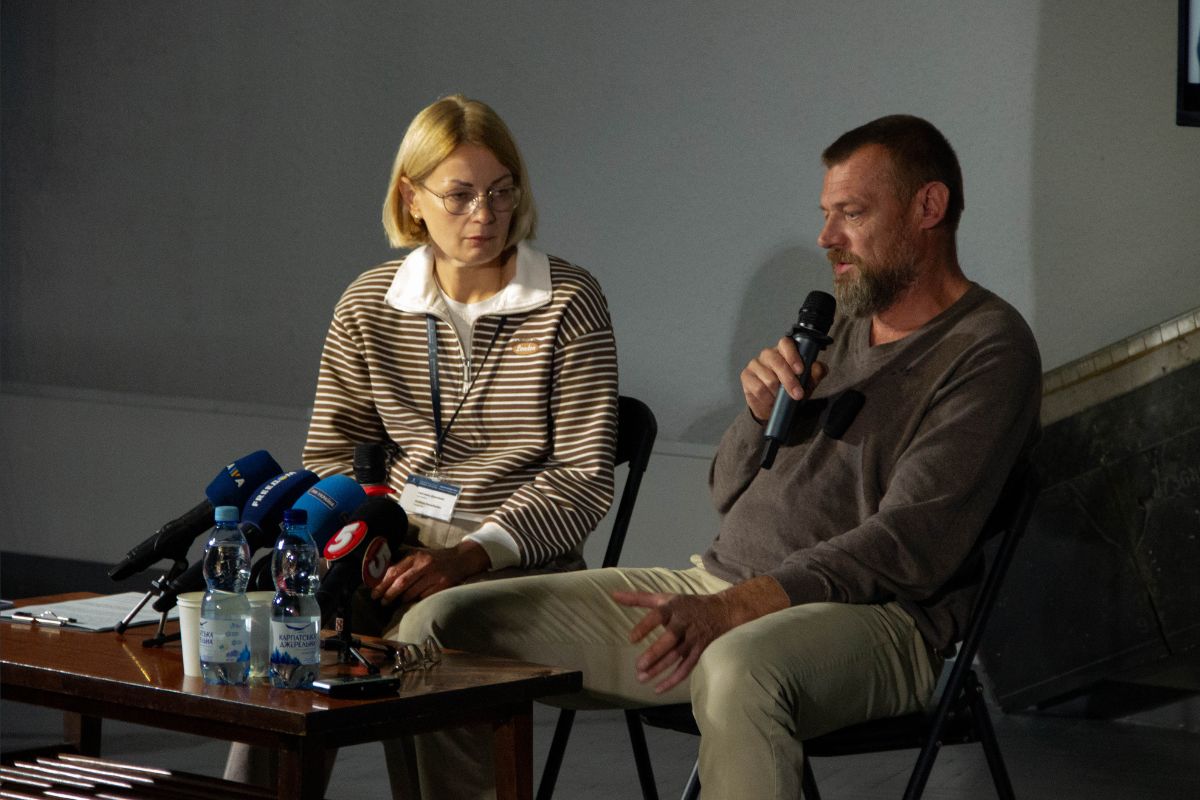


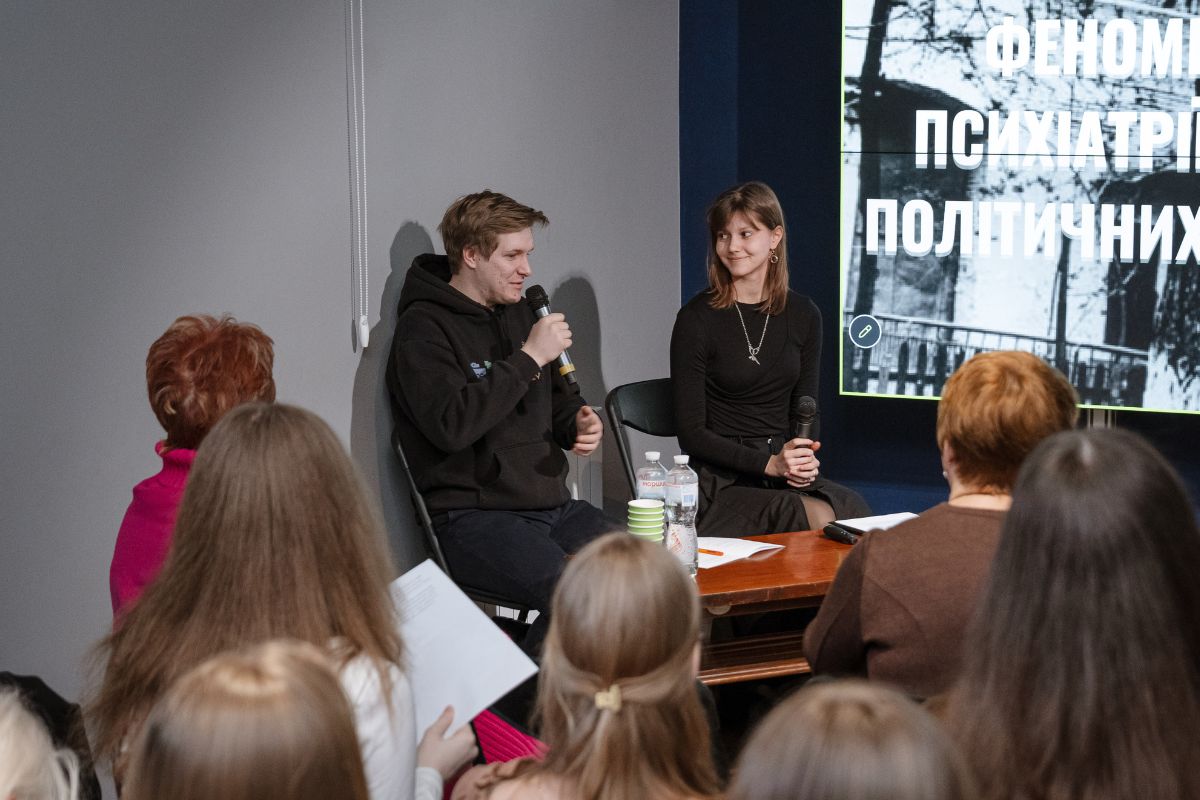
The War Museum hosted the II All-Ukrainian Youth Scientific Conference of Young Researchers of History. The event, organized in cooperation with the Kyiv Junior Academy of Sciences, brought together 9th–11th grade pupils and students from colleges and universities across various regions of Ukraine—from Sambir to Mariupol. The sessions were moderated by Svitlana Datsenko, Head of the Educational Department at the War Museum; Sofiia Syvenko, Head of the History Department at the Junior Academy of Sciences of Ukraine (JASU); and Museum guides Vitalina Voitenko and Ihor Buchma.
Welcoming remarks were delivered by Yurii Savchuk, Director General of the War Museum, and Iryna Polishchuk, Director of the Kyiv JASU. Yurii Savchuk noted that knowledge, science, and wisdom are the highest landmarks toward which humanity strives. Reflecting on the presentation topics, Iryna Polishchuk emphasized that memory is not about textbooks and dates, but about people and their lived experiences.
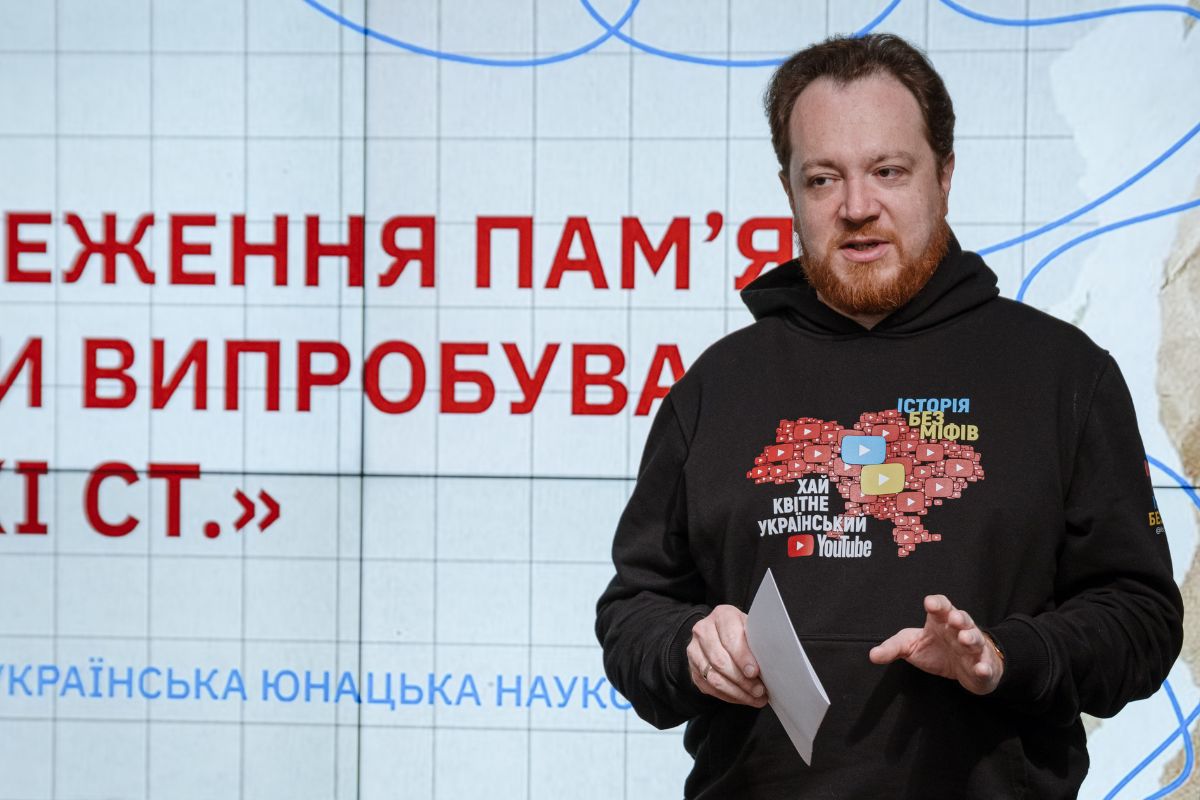
Vladlen Maraiev, creator of the YouTube channel “History Without Myths”, addressed the participants, highlighting the importance of historical research by the youth as a foundation for the future development of Ukrainian society.
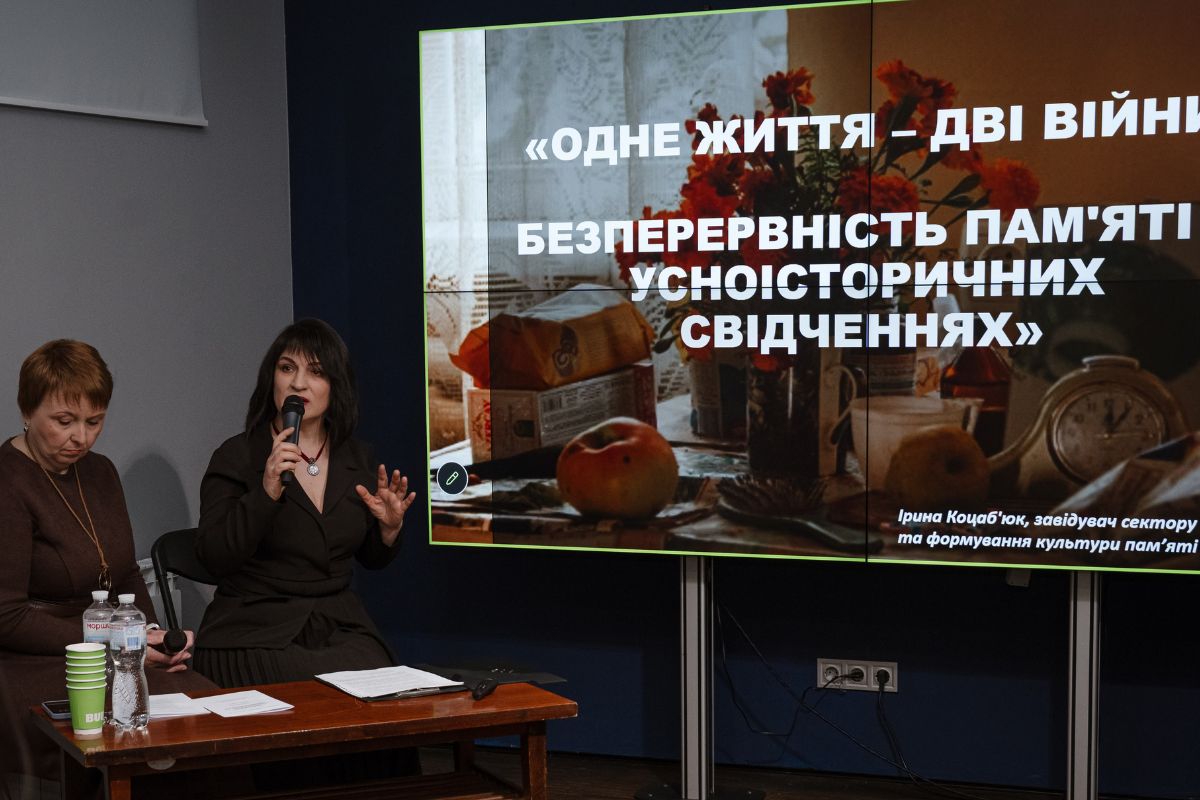
Museum researcher Iryna Kotsabiuk delivered a presentation on the value of oral history testimonies as a vital link in preserving memory between generations. Specifically, she presented the project “One Life – Two Wars,” dedicated to the stories of Ukrainians who witnessed both the Second World War and the current russo-Ukrainian War.
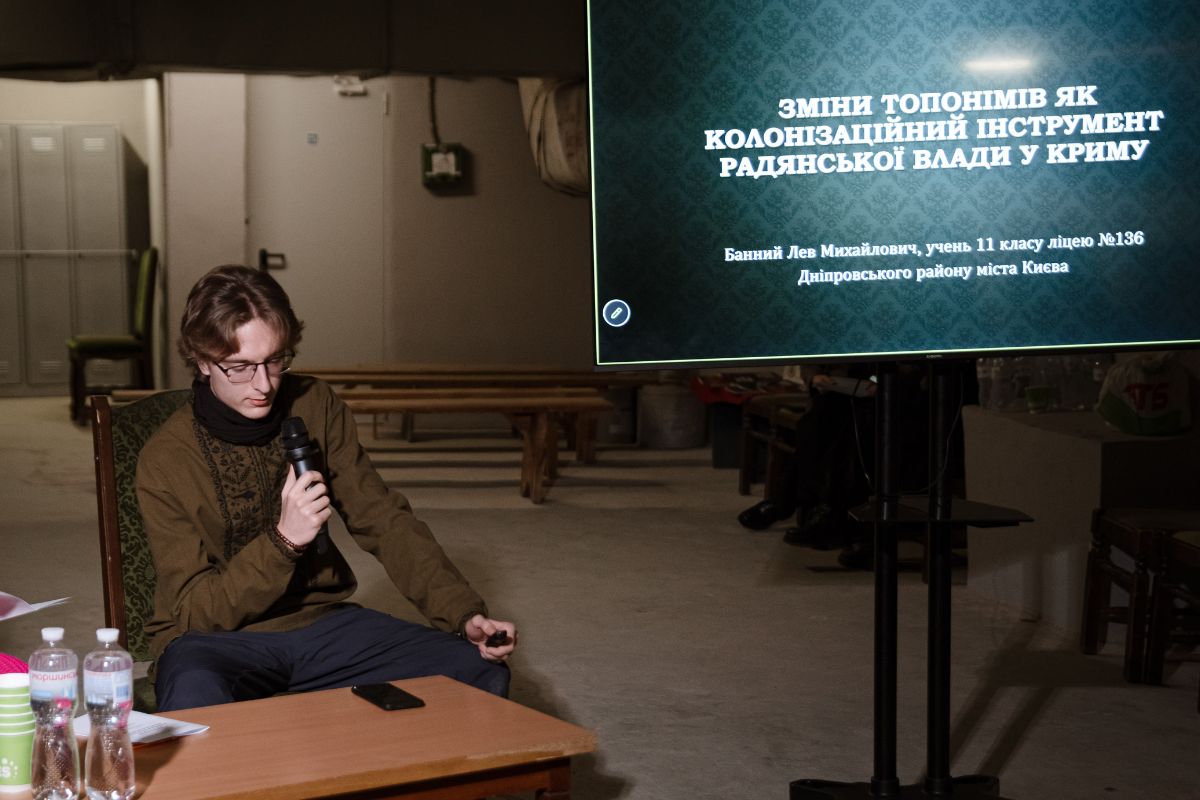
Among the participants were students from the Donetsk Regional Junior Academy of Sciences, who, despite difficult conditions, joined the conference for the second time and continue to actively collaborate with the Museum. The broad range of topics drew significant interest, including: “The Impact of the Historical Trauma of the Holocaust on Israel’s Foreign Policy,” “Punitive Psychiatry: The Struggle for a Voice,” and “The Changing of Toponyms as a Tool of Soviet Colonization Policy in Crimea.” Every presentation—ranging from the challenges of the 20th century to the issues of today—deeply resonated with the audience.
Despite a prolonged air raid alert, which forced the majority of the conference to take place in a shelter, every participant left with new insights and reflections. A collection of the young researchers’ papers will be published following the conference.
We thank all participants for their interest in history and their sincere desire to research it. We are confident that our cooperation will continue in the future!