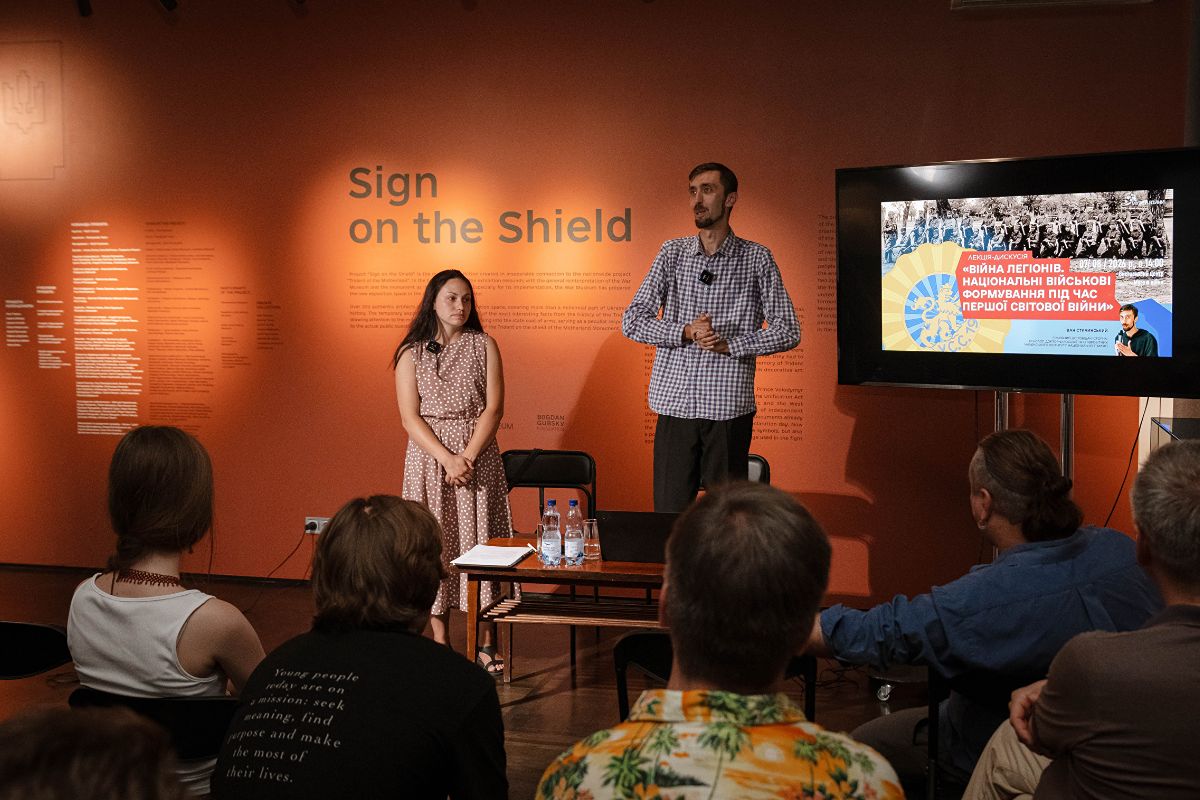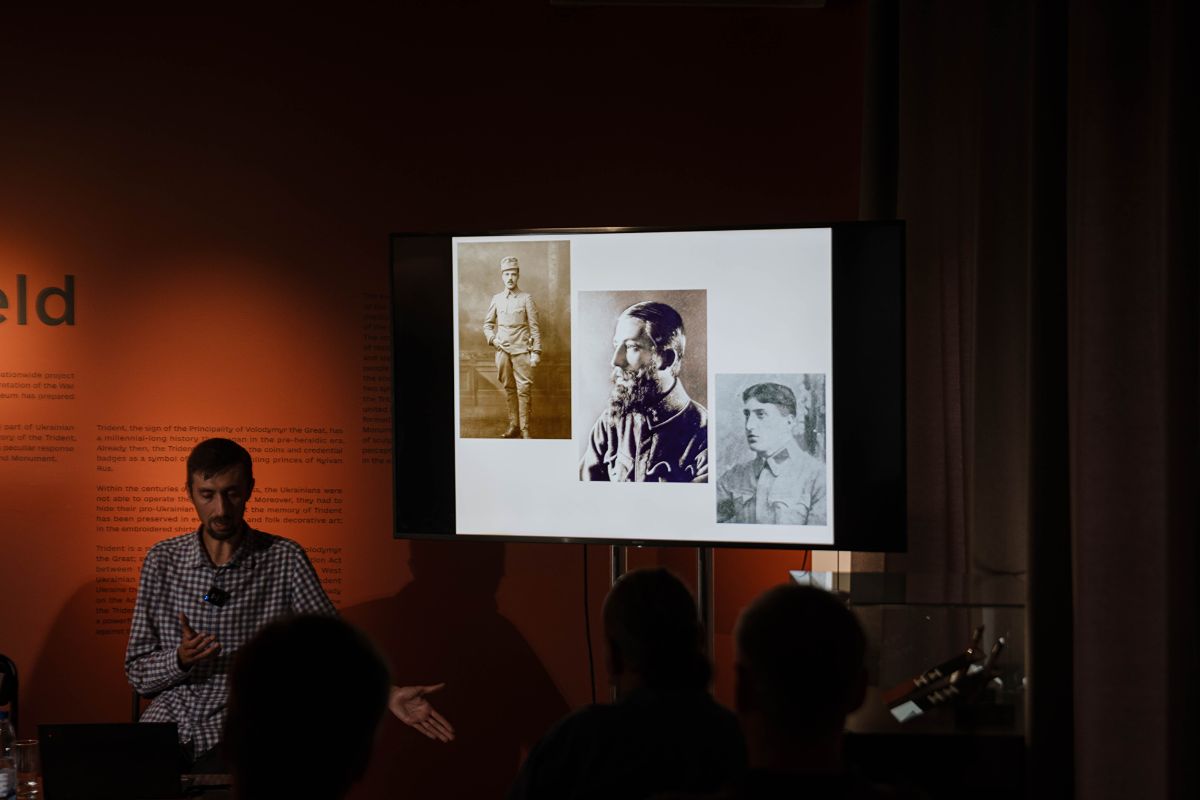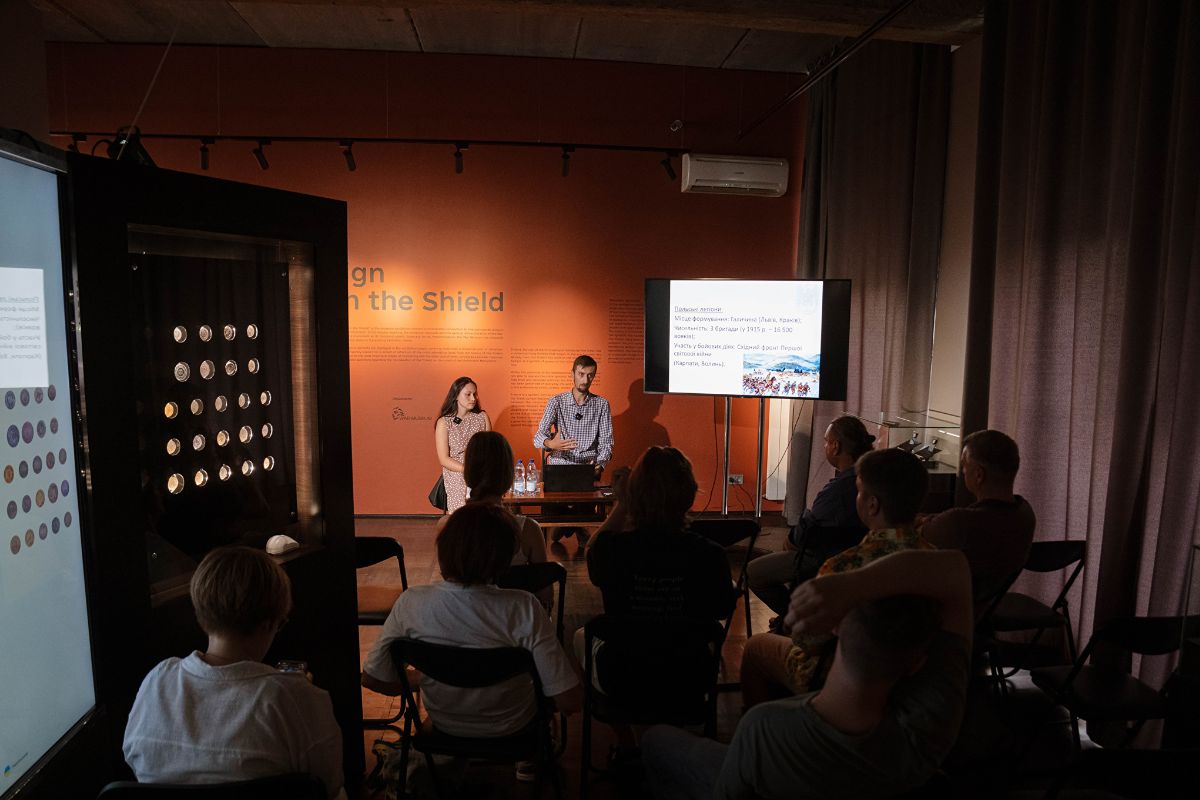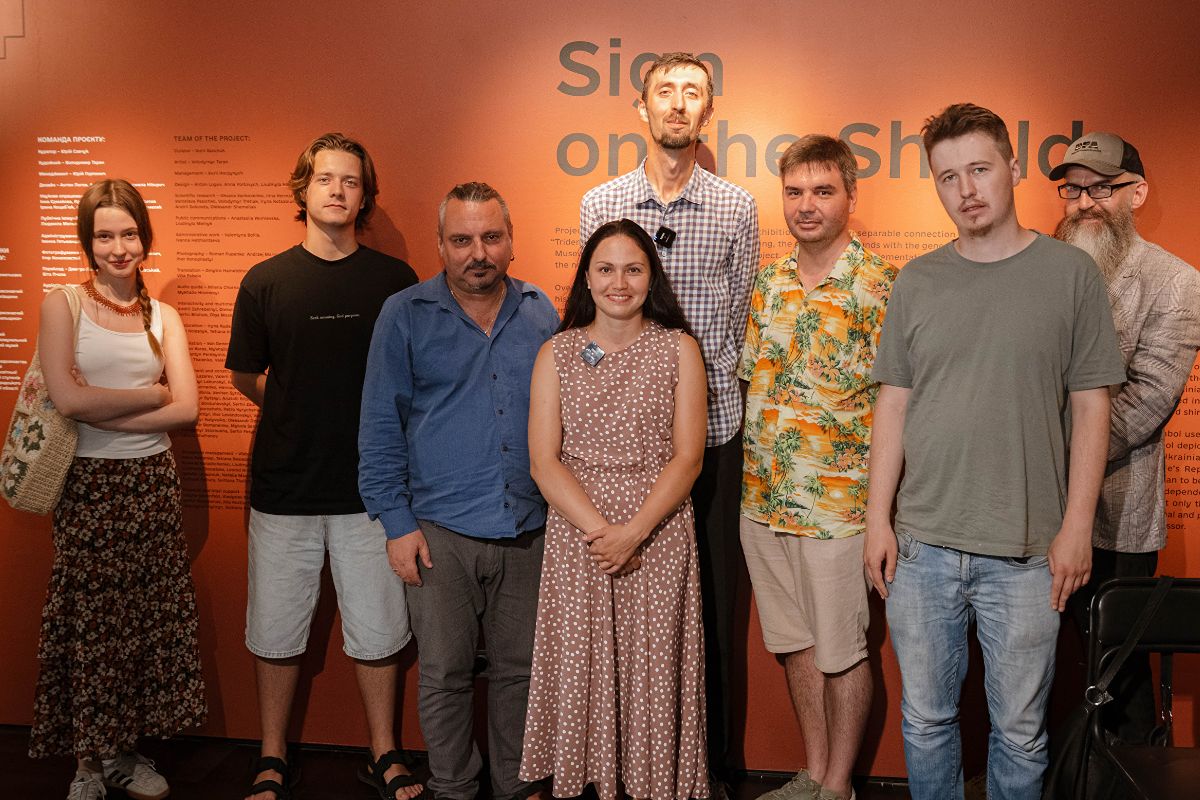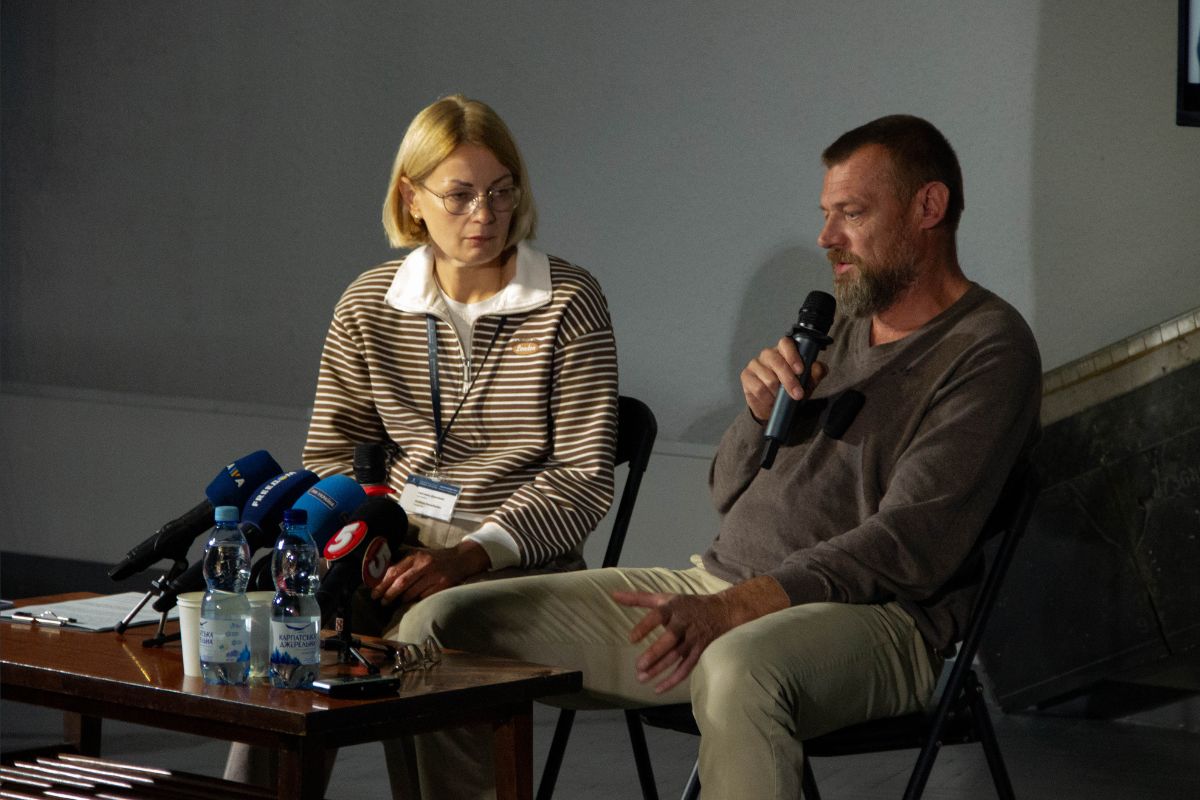


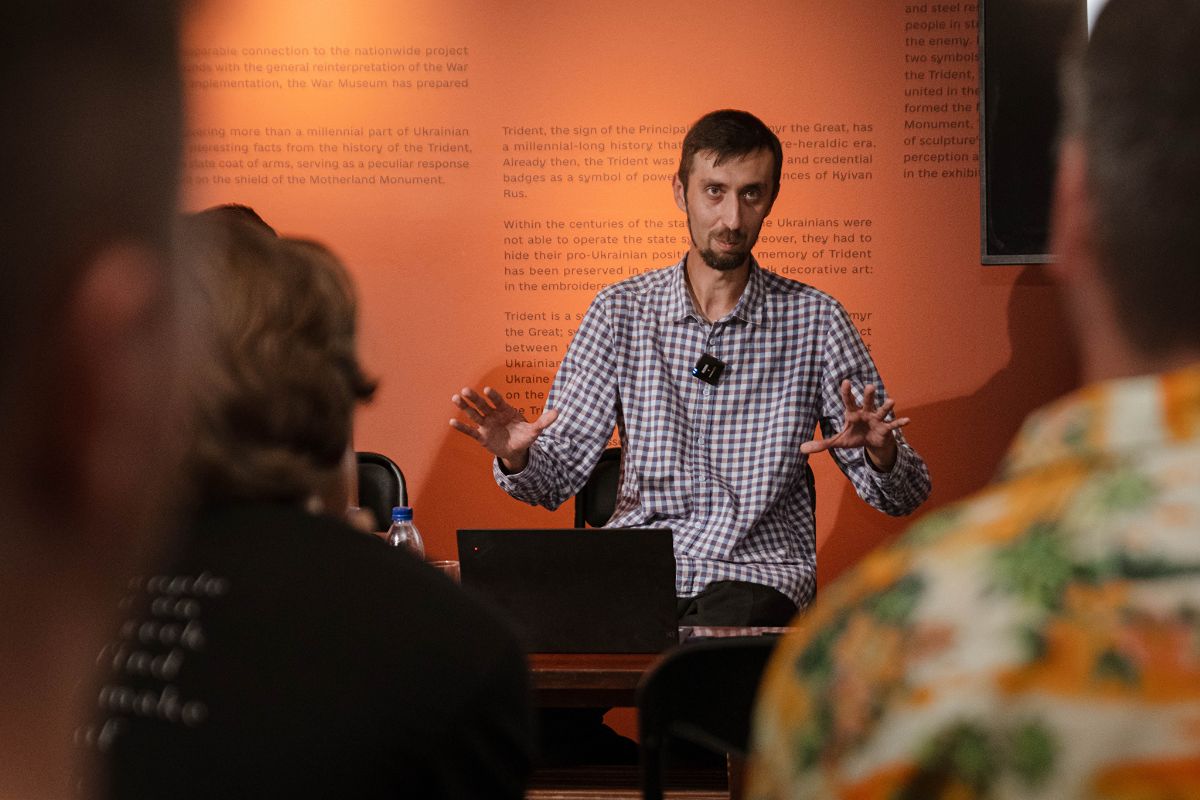
The Museum hosted a lecture-discussion marking the anniversary of the establishment of the Legion of Ukrainian Sich Riflemen, which falls on 6 August. The speaker was Ivan Stychynskyi, a historian, ethnologist, Doctor of Philosophy and staff member of the Ukrainian Institute of National Memory. The meeting was moderated by Olena Datsiuk, Senior Research Fellow in the Museum’s First World War Research Sector.
Ivan Stychynskyi based his presentation on a comparison of the national legions in the armies of Austria-Hungary and the Russian Empire, primarily the Polish, Czechoslovak and Ukrainian formations.
The lecturer focused on the Polish Legions, which were the largest paramilitary national formation in the Austro-Hungarian army: in 1915, they consisted of three brigades numbering 16,500 soldiers. The legionnaires formed the basis of the future Polish Army, while their noms de guerre in interwar Poland were recognised as double surnames; among those who bore such names were the Commander-in-Chief of the Polish Army in 1939, Edward Rydz-Śmigły, and Marshal Michał Rola-Żymierski.
The Czechoslovak Legions existed in both the Austro-Hungarian and Russian armies. Their formation often involved prisoners of war. Thus, after the fall of the Przemyśl Fortress in March 1915, around 30,000 Czechs and Slovaks were taken prisoner by the Russians. As a result, future political leaders of Czechoslovakia also found themselves on opposite sides of the front – Prime Minister Jan Syrový, who fought on the Russian side, and future President Ludvík Svoboda, who began his service in the Austro-Hungarian army and continued it in the Russian army.
The Ukrainian Sich Riflemen (USR) were a formation numbering around 2,500 soldiers and became the first modern Ukrainian military force, laying the foundations of modern Ukrainian military symbolism, uniform and training. As in other units of the Austro-Hungarian army, women also served in the USR. Units of the Sich Riflemen became an important source for the formation of Ukrainian national armed forces during the subsequent liberation struggles.
The history of the national legions of the First World War makes it possible to see not only the military formations of individual peoples, but also to explore the processes that later influenced the emergence of their own armies and state projects in Central and Eastern Europe.