



After the end of World War I, the command of the Royal Armed Forces faced the need for a new army uniform that would meet the current challenges of the time. The new uniform had to be suitable for service under the conditions of mechanized warfare – involving large numbers of military vehicles and armored equipment – allowing a soldier to drive, quickly climb into a combat vehicle, and, if necessary, quickly exit it. The British Army uniform pattern of 1903 clearly no longer met these requirements. Adopted after the end of the Anglo-Boer Wars of 1880–1881 and 1899–1902, it had a number of advantages and served the soldiers of the British Commonwealth well throughout World War I, but it no longer met the demands of the time. Therefore, in 1937, a new-pattern uniform was introduced for British servicemen – the 1937 Pattern Battledress – consisting of: a short (reaching to the top of the hips), fitted jacket with slightly shortened sleeves made of khaki-colored wool fabric, wool trousers worn with braces, over which puttees (leg wraps) were worn at the bottom of the trouser legs. The new uniform proved quite practical and became widely used – besides infantry units, it was worn by servicemen of the armored forces, the navy, and the air force. The Battledress, later renamed Uniform No. 5, was produced for soldiers of Britain, Canada, and New Zealand with minor variations until the end of World War II and remained in active use until the 1960s.
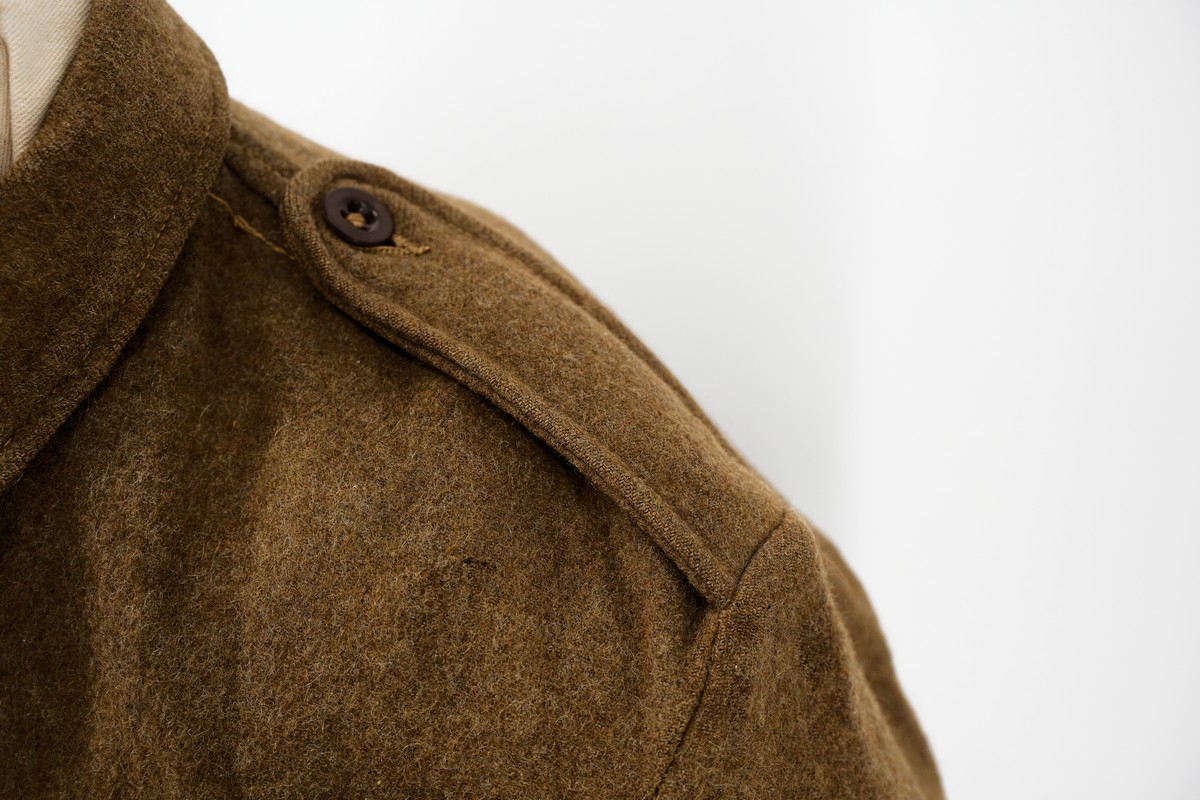
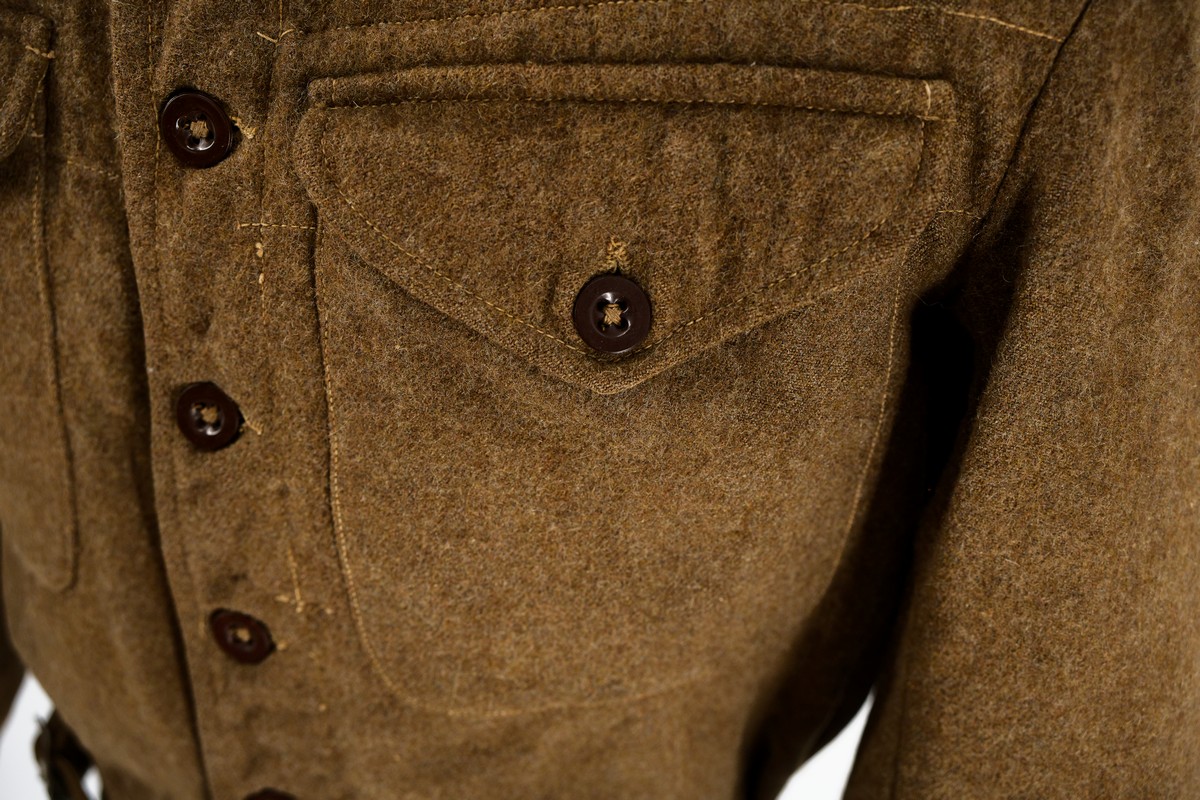
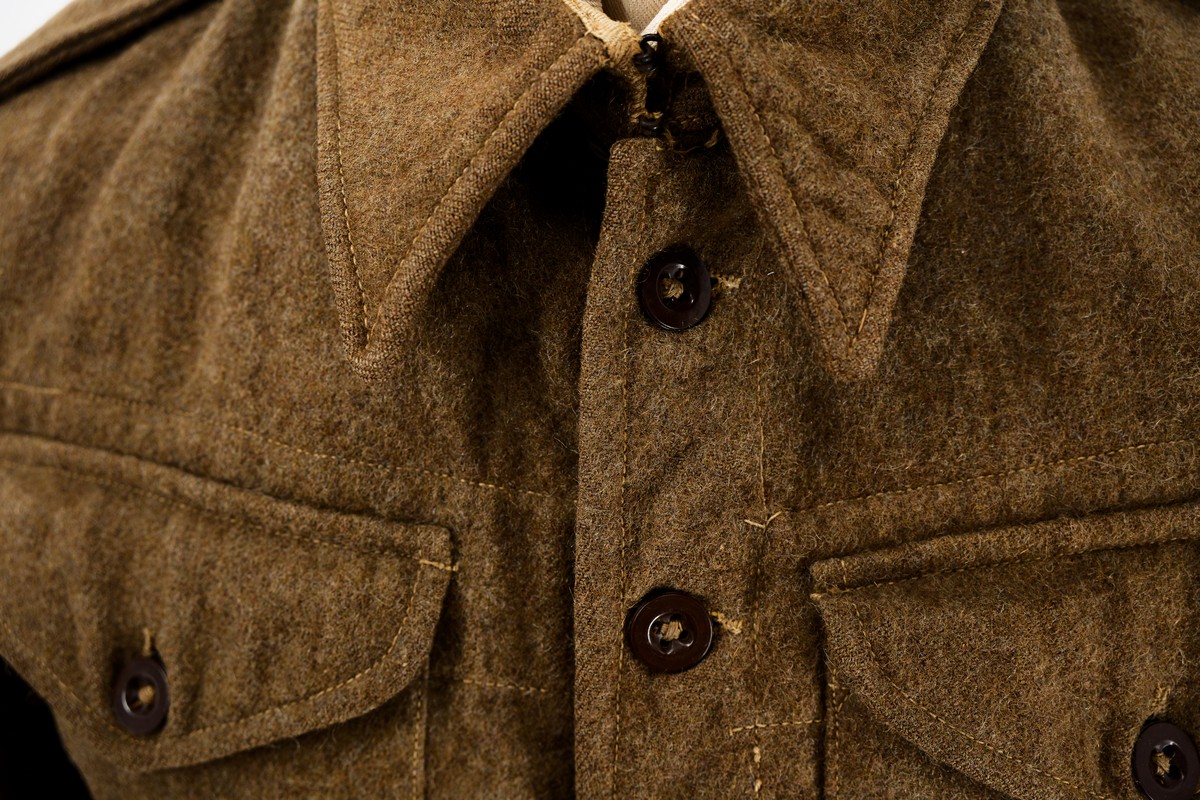
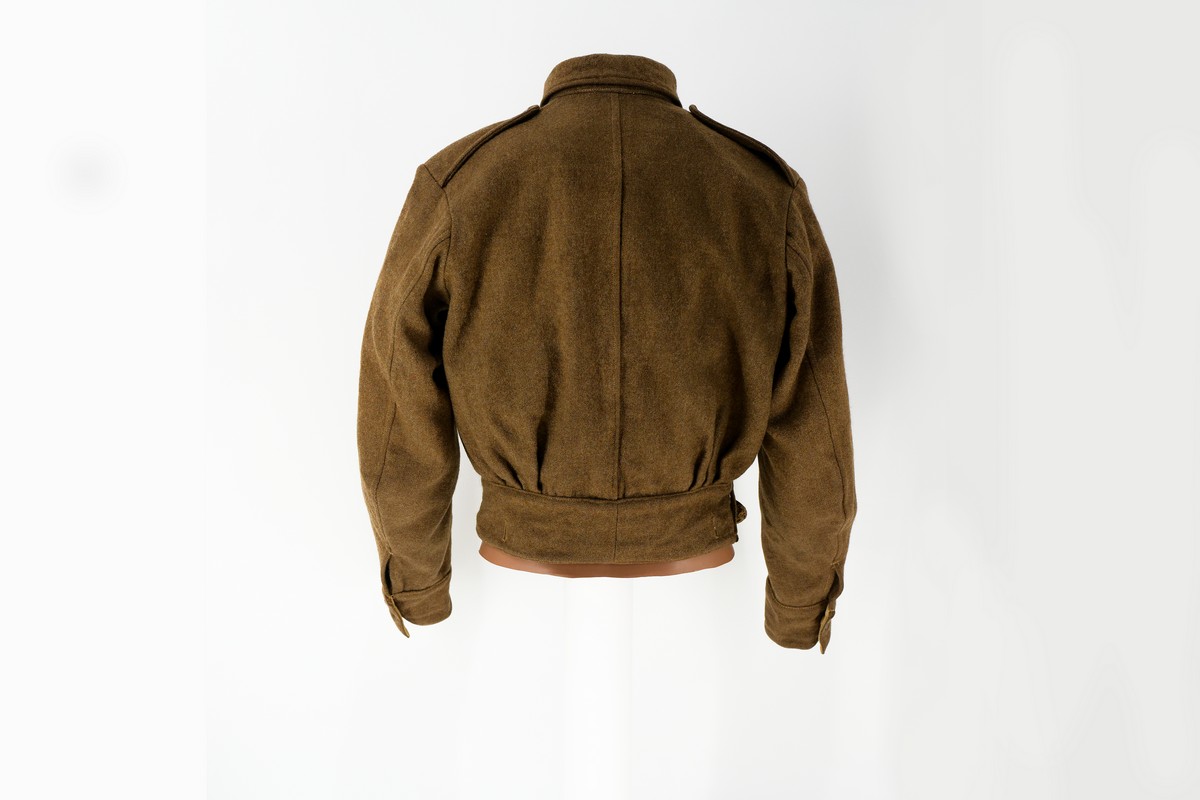
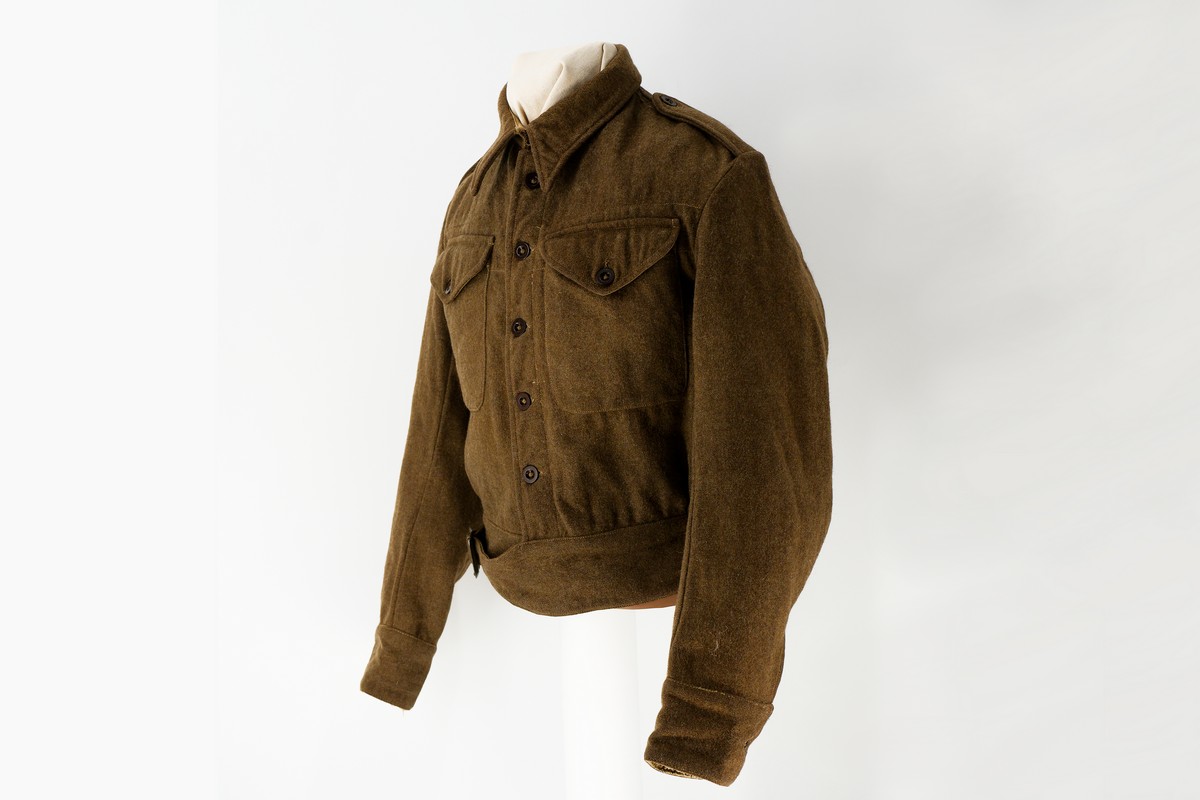
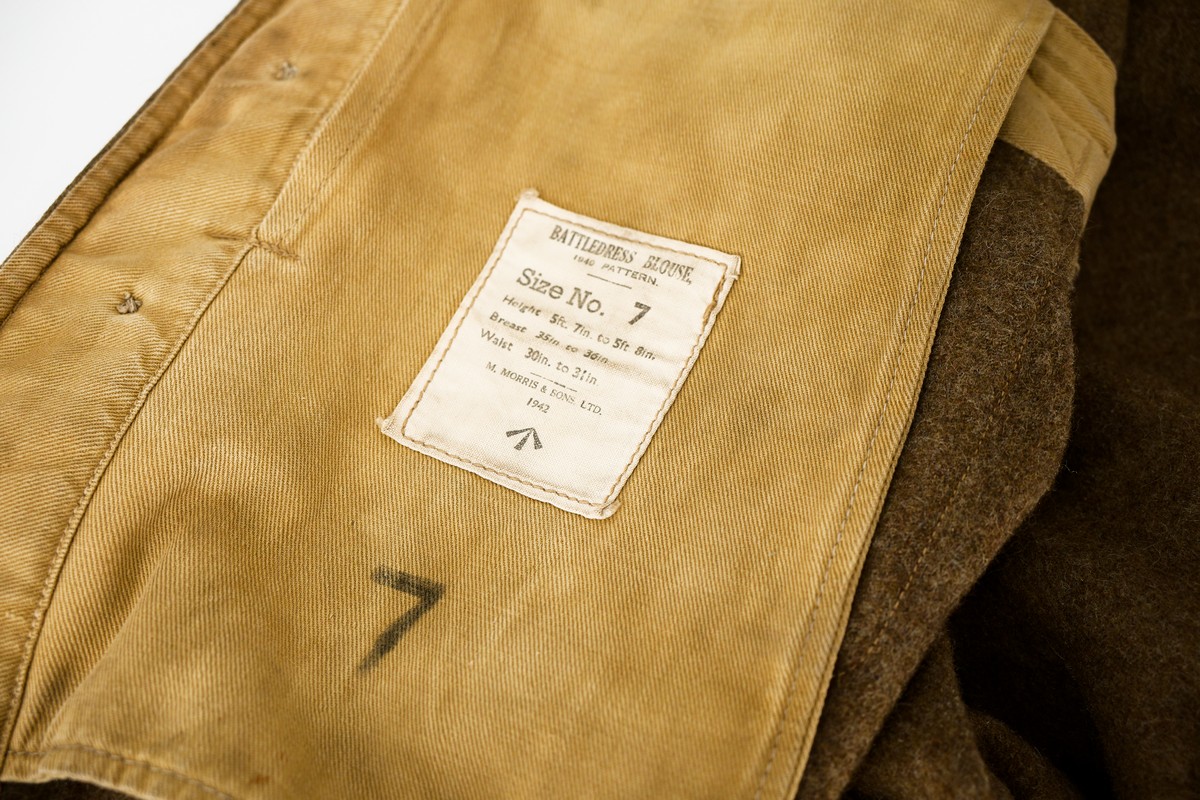
A shirt made of grey-brown fabric, semi-fitted, with a turn-down collar fastened with a double hook; fabric shoulder straps, rounded on one side, with small buttons, are sewn along the shoulder seams. A shirt has long sleeves with cuffs (adjustable with buttons); single-breasted, fastening with five brown plastic buttons. At the front, it has two patch pockets with buttoned flaps, plus two internal pockets. At the back, there is a center seam with a vent. The bottom hem is finished with a cuff adjustable by a metal buckle and has two eyelet-buttonholes for fastening trousers. Inside – unlined, with a label bearing information about the manufacturer’s name, size, and date of production.