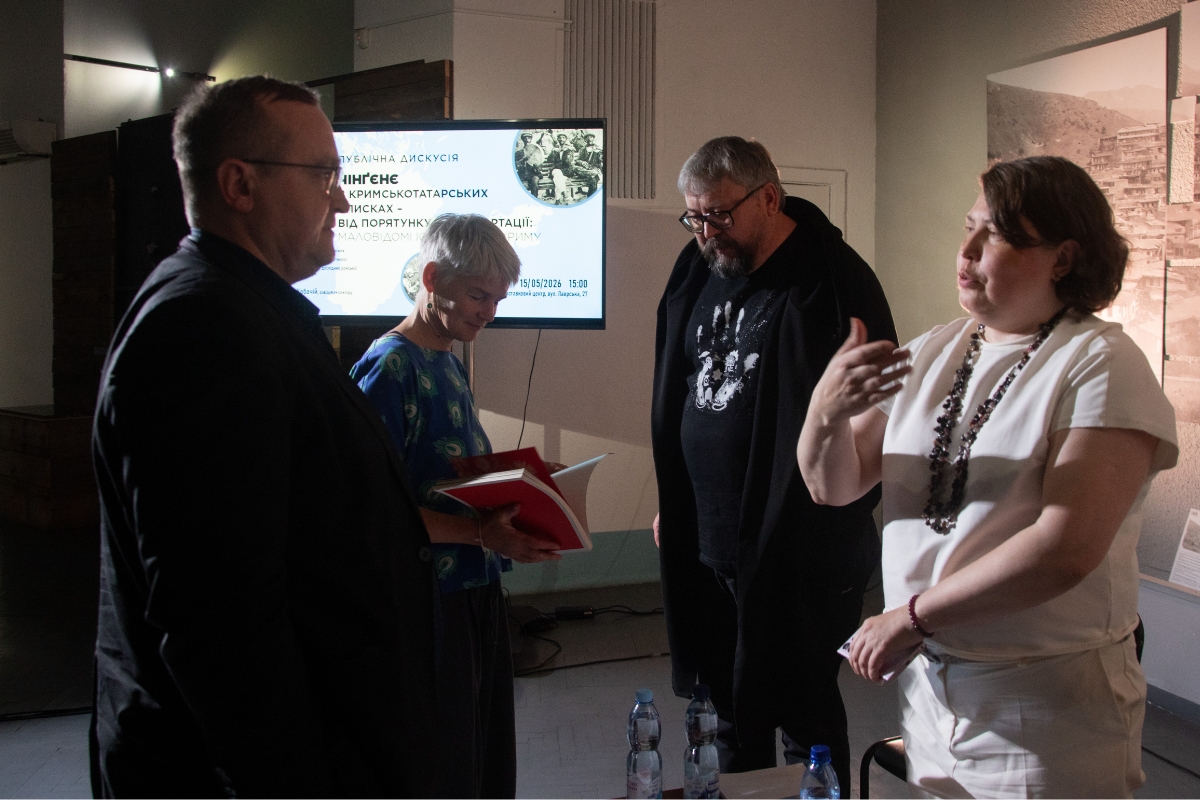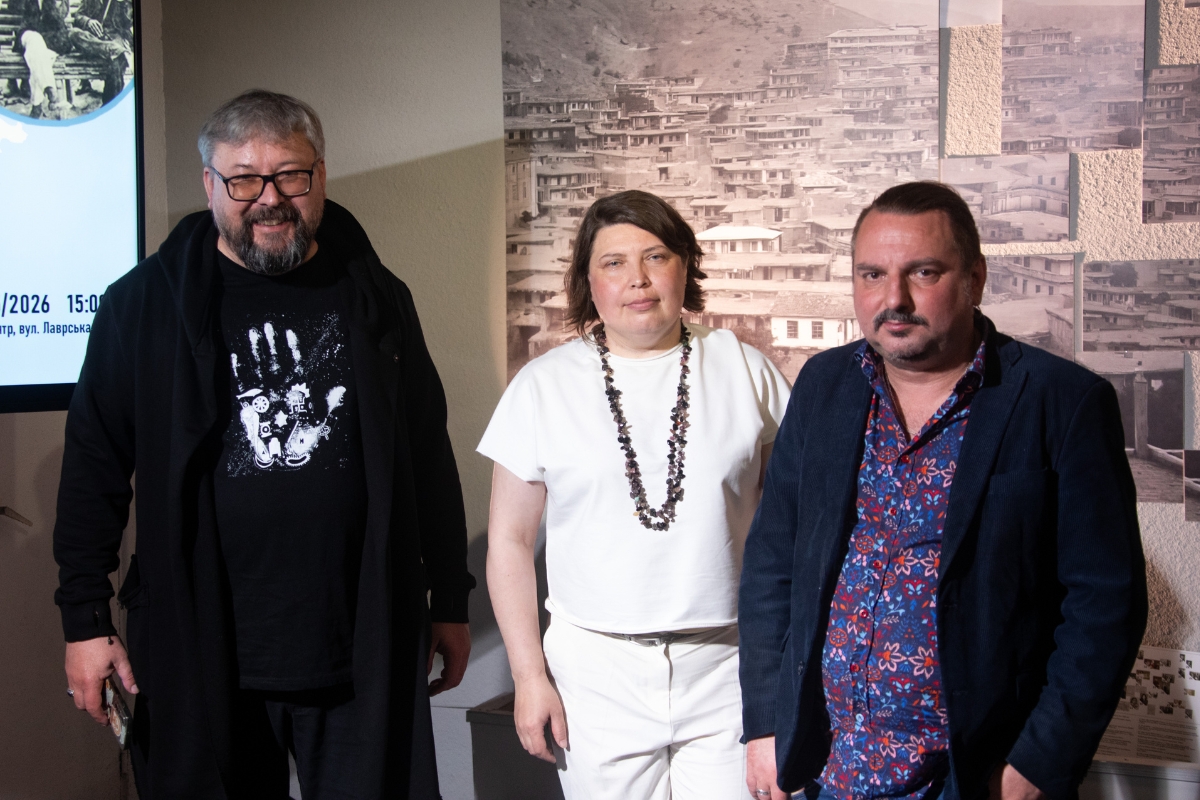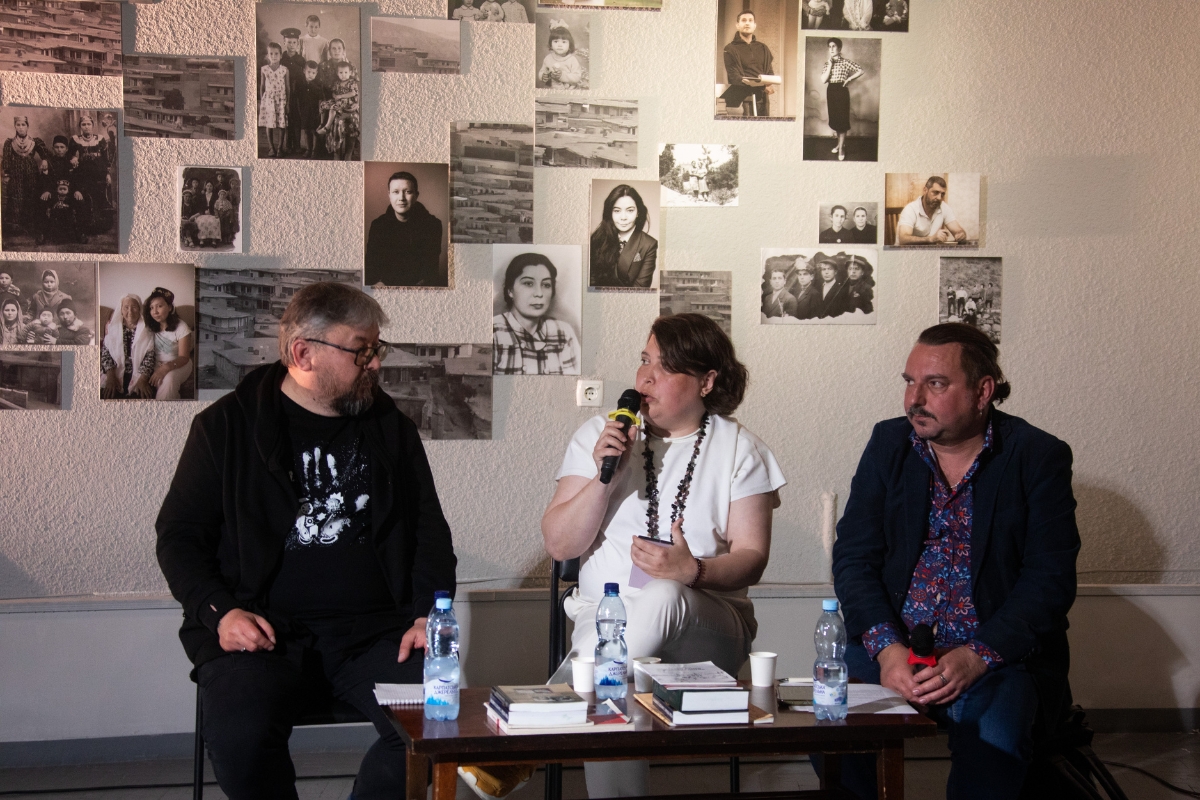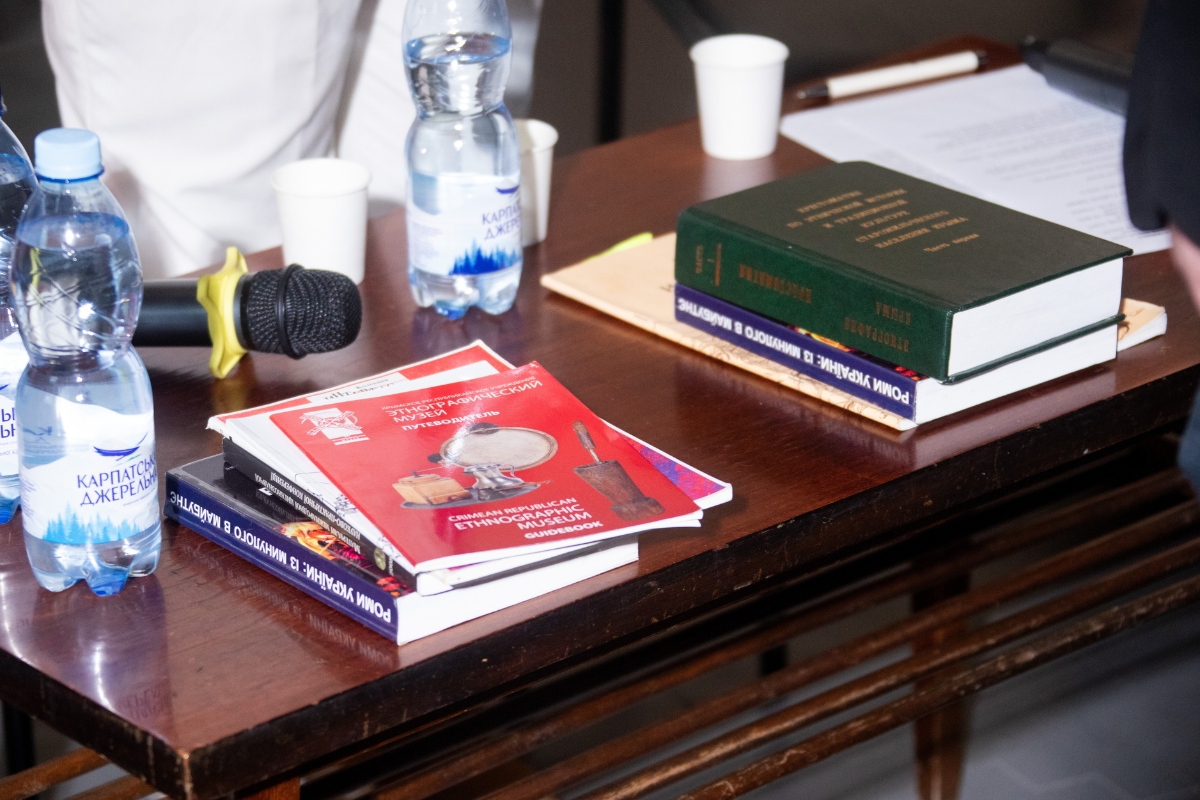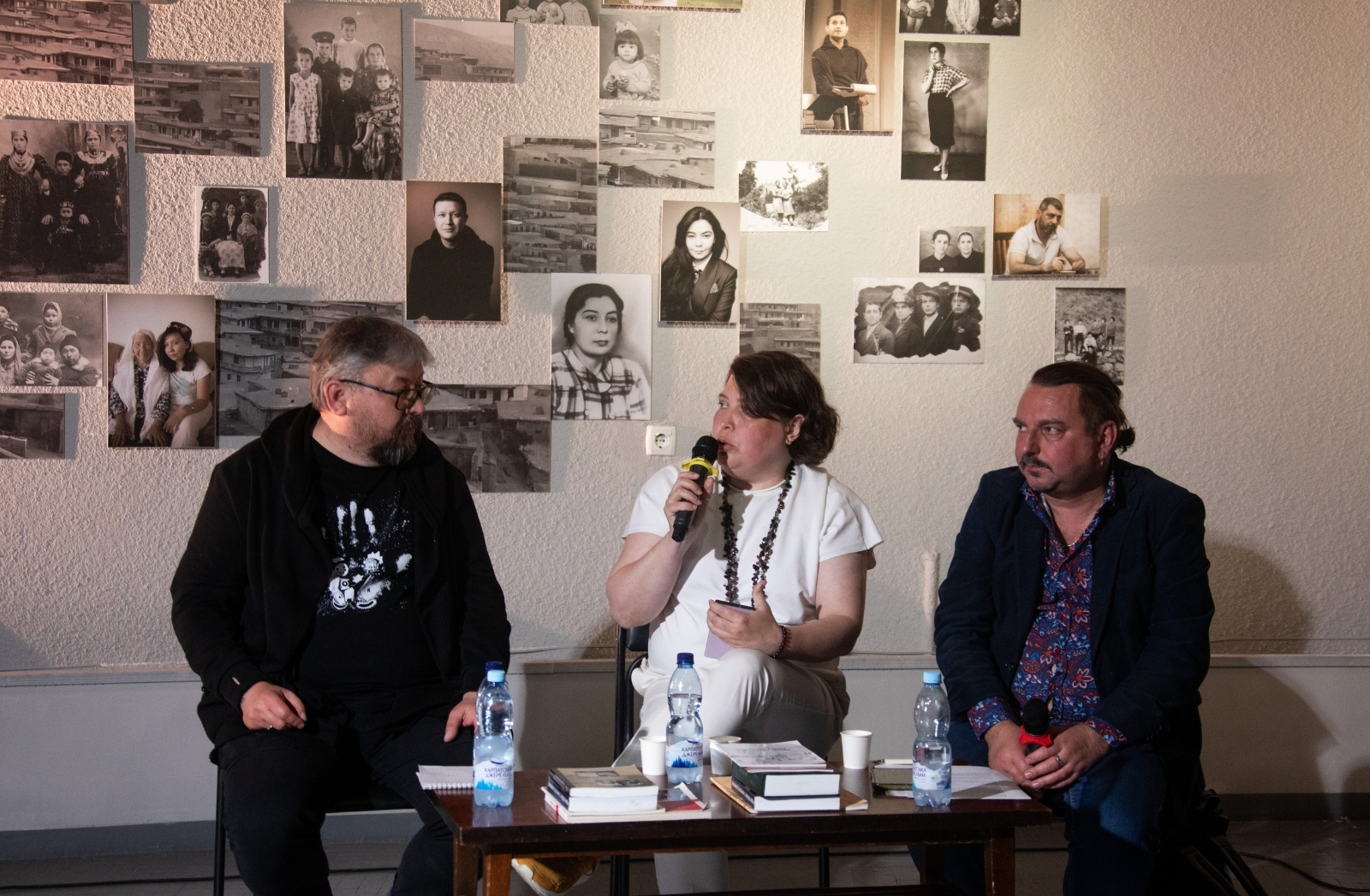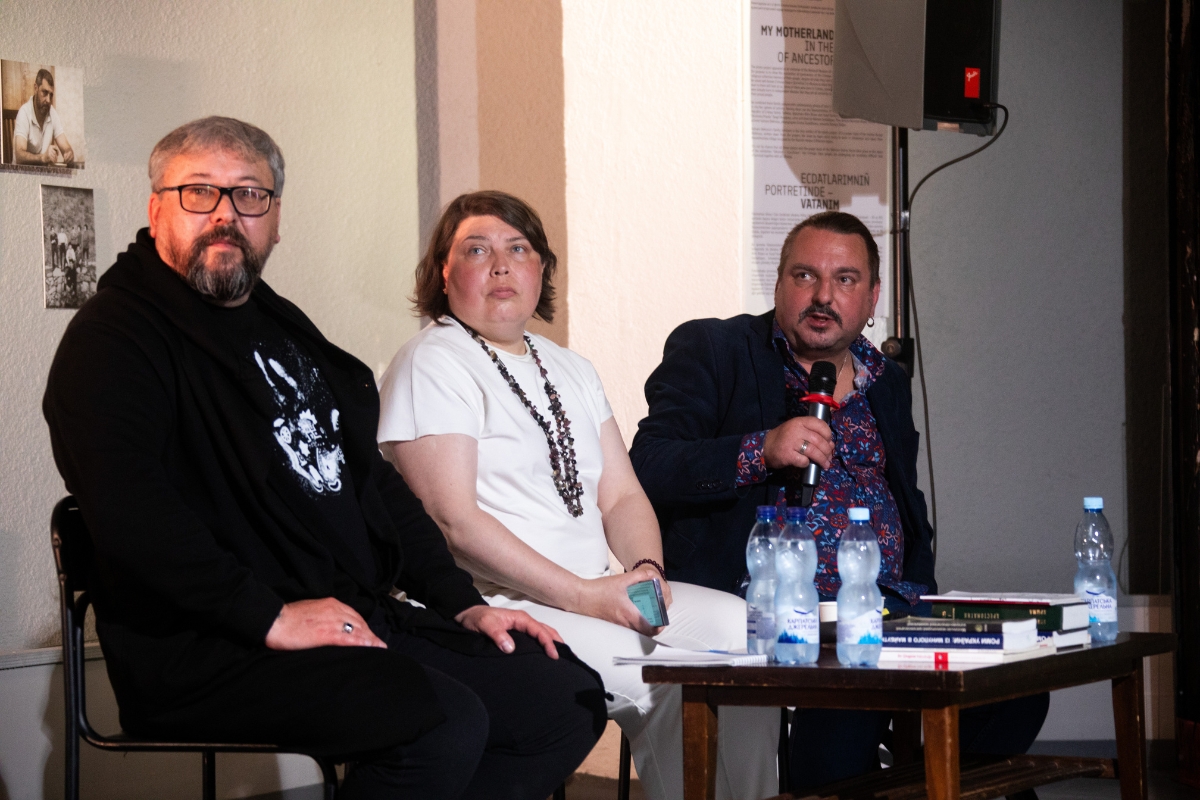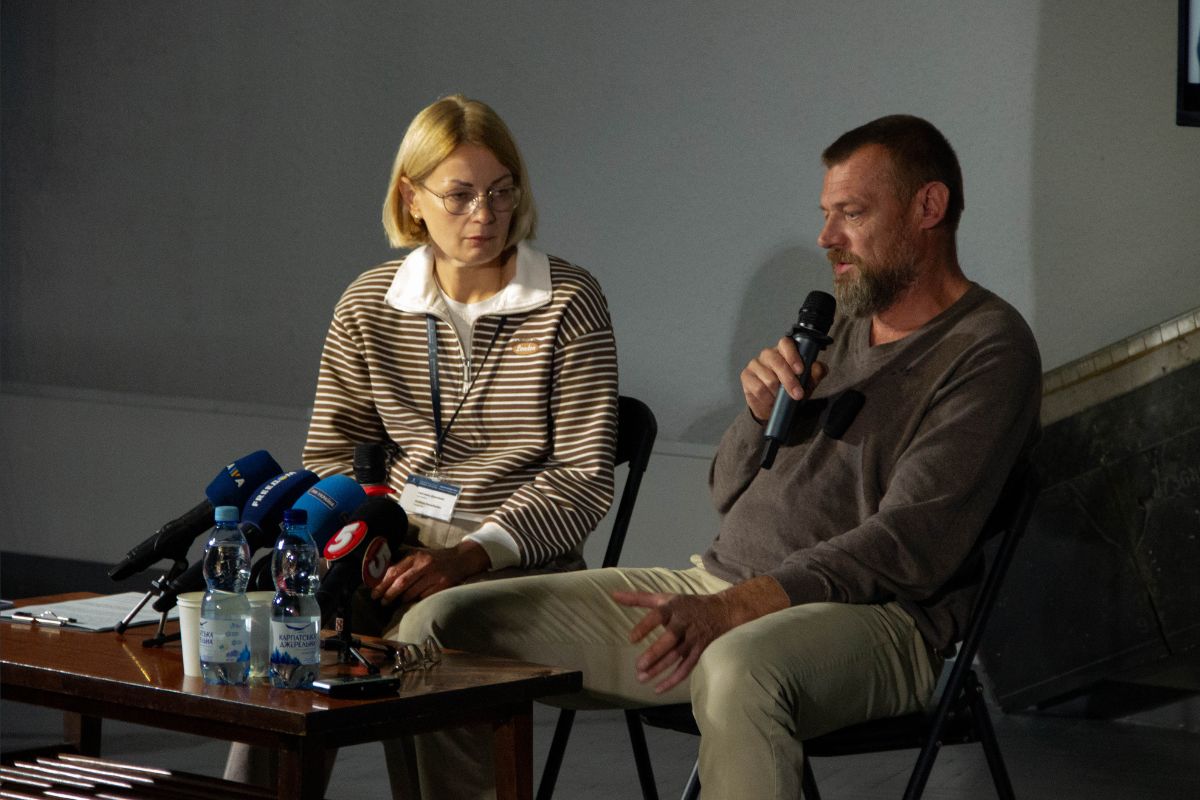


A public discussion titled «Çingene in Crimean Tatar Lists – from Rescue to Deportation: Little-Known Stories of the Roma of Crimea» was held at the War Museum. The event was dedicated to the 82nd anniversary of the Stalinist deportation of the Crimean Tatar people, which also claimed victims among the Crimean Roma – the Çingene.
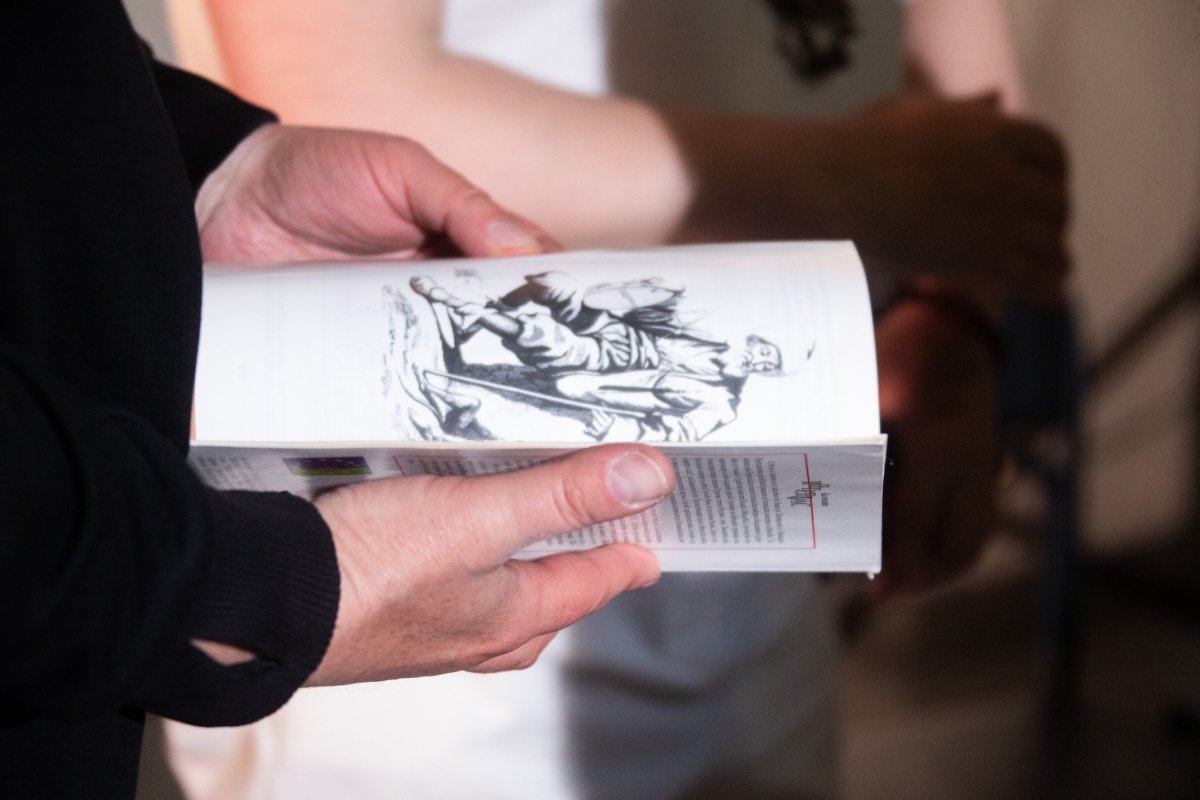
The moderator of the meeting, Head of Sector at the War Museum Roman Kabachiy, outlined the problem of insufficient representation of the history of Crimean Roma in ethno-historical research and public space. Participants were also presented with graphic works by the French artist Auguste Raffet from 1837 and a series of paintings by the German artist Wilhelm Kiesewetter from 1845–1847, which depict Crimean Roma and scenes from their daily life.
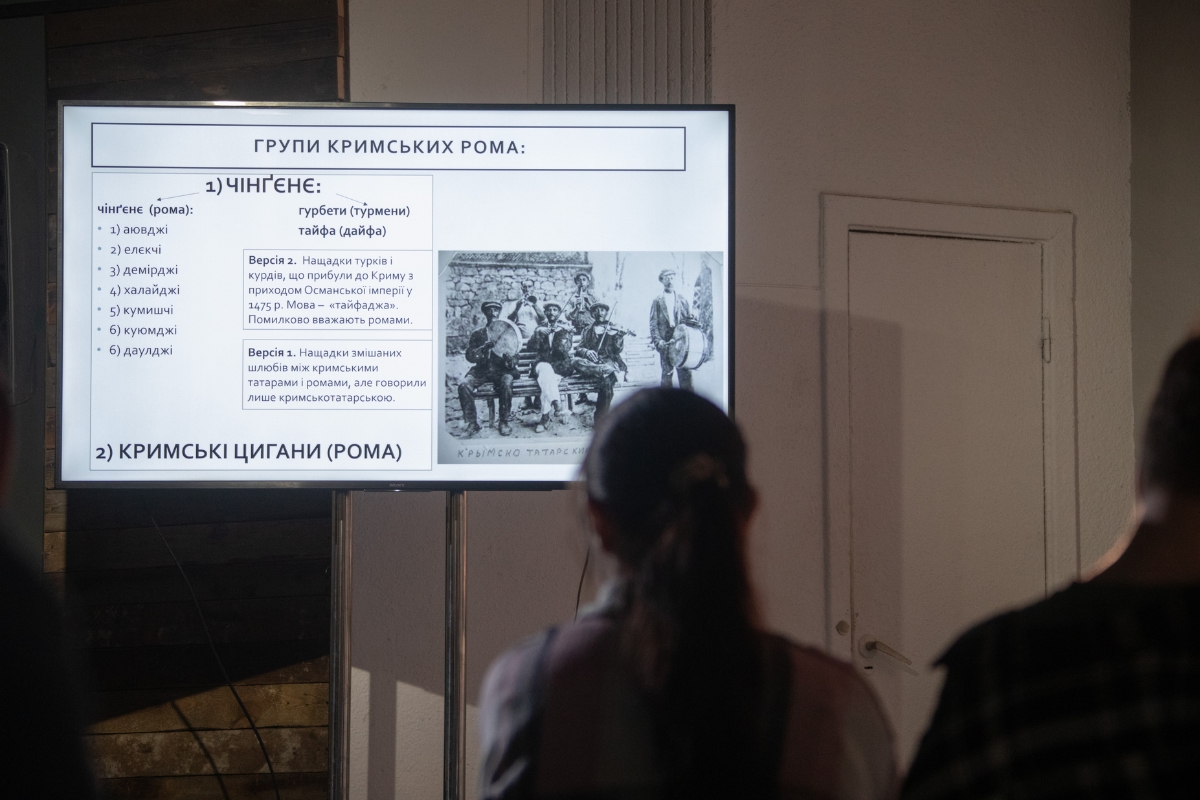
Chief Specialist of the Department of Ethnopolitics of the State Service of Ukraine for Ethnopolitics and Freedom of Conscience Oleksandr Rybalko spoke about the various waves of Roma migration to Crimea and the degree of integration of the Çingene into Crimean Tatar society.
The Roma of Crimea do speak the Crimean Tatar language, but they have their own dialect, – noted Rybalko. – And it is precisely this dialect that identifies them as Roma. For example, the word "biav" is absent in Crimean Tatar, but is present in the language of the Balkan Roma and means "wedding". Çingene who have preserved the Crimean Tatar musical tradition do not say they are going to play at a wedding – they say they are going to play "biav".»
Roma scholar, Candidate of Historical Sciences Nataliia Zinevych emphasized that the Çingene were deeply integrated into the Crimean Tatar environment. During the Nazi occupation, Muslim committees included them in the lists of Crimean Tatars in an attempt to save them from persecution. According to the researcher, this helped save about one-third of the representatives of this ethnic group.
However, on 18 May 1944, the Soviet authorities used the same lists to deport the Çingene along with the Crimean Tatars to the Central Asian republics. They endured the same ordeals as the indigenous people of Crimea – forced eviction, loss of home, and life in special settlements. According to the historian, the Çingene were also among the first to return to Crimea after the deportation: «Several Roma families were able to return as early as 1956, for example, to Yalta, where they worked as musicians.»
Research Fellow at the Institute of Ethnology of the Czech Academy of Sciences Janusz Panchenko shared his own experience of researching the life of the Krym Roma – representatives of later waves of Roma migration to Crimea who lived, in particular, on the left bank of the Kherson region and in his native Kakhovka.
The discussion participants emphasized the importance of museumification and public presentation of the histories of the Crimean Roma, especially under the conditions of the temporary occupation of the peninsula, where Crimean Tatars and Roma communities continue to live under pressure from the russian regime and policies aimed at displacing local identity.
Such discussions are an important part of the War Museum’s work on issues of memory, deportations, and preserving the voices of communities whose stories have long remained insufficiently heard.