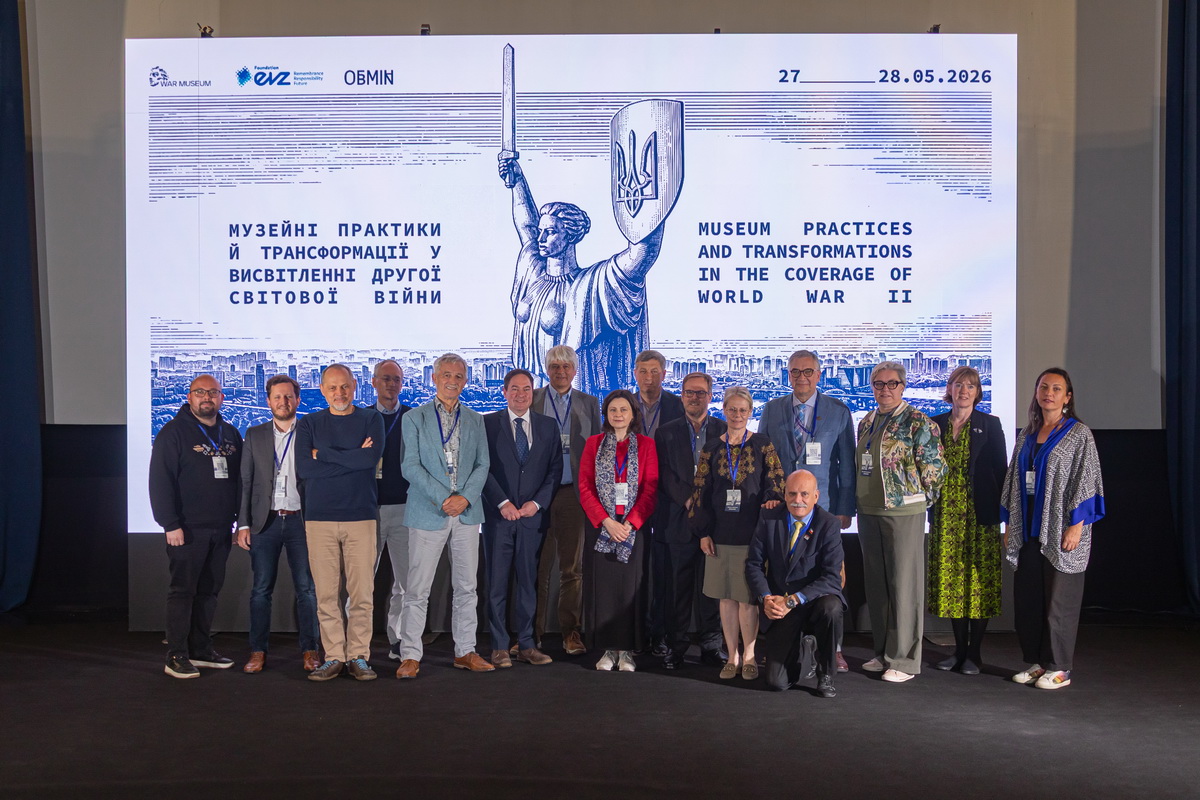


The second day of the international conference “Museum Practices and Transformations in the Coverage of World War II” continued the discussion of contemporary approaches to understanding war, memory, and the representation of traumatic experience in museums.
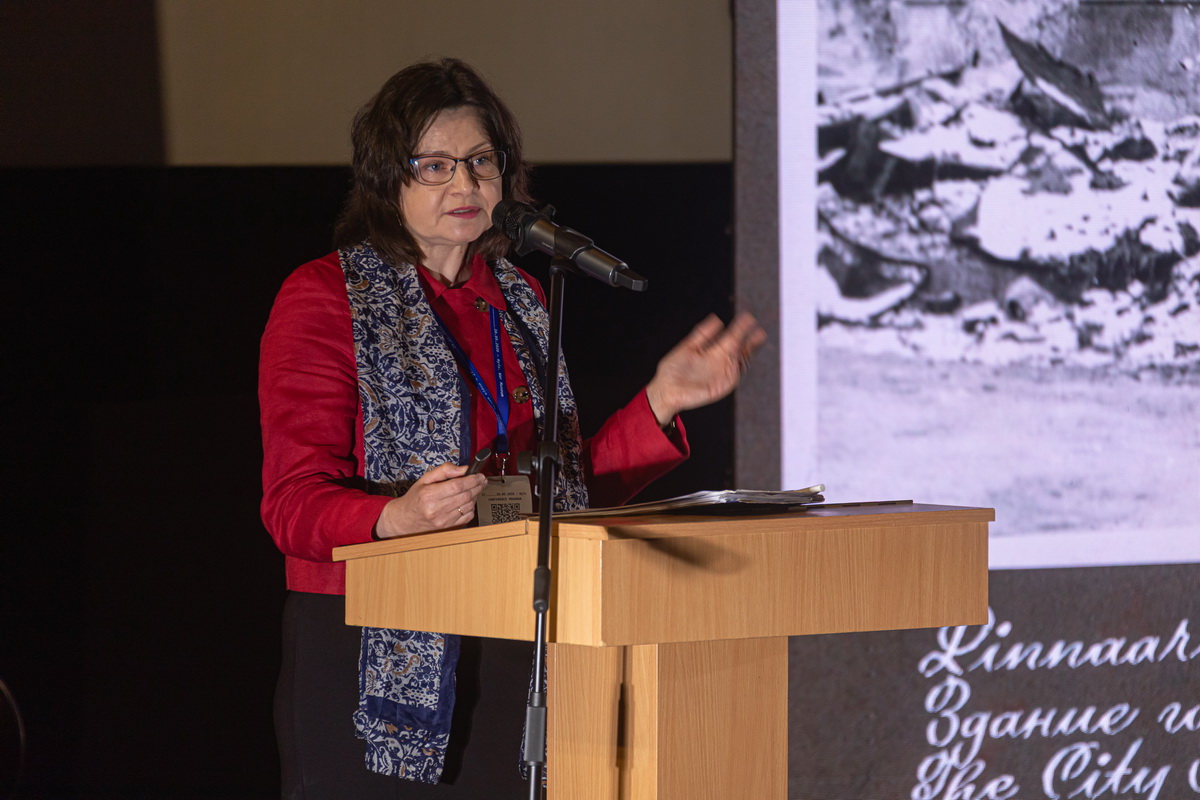
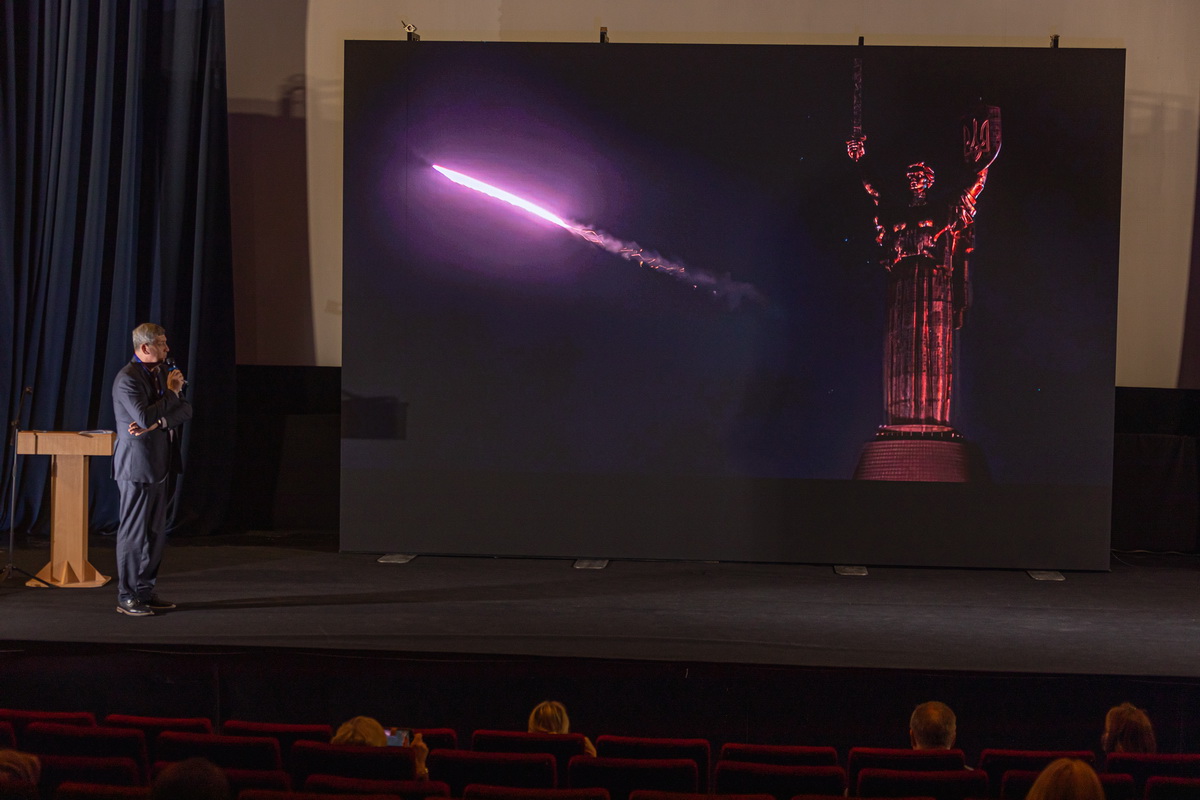
The day opened with a lecture by Dr. Serhy Yekelchyk, Professor at the University of Victoria, Canada, titled “Ukraine in the Three Great Wars of the 20th Century: Between Experience and Memory.” The scholar emphasized the historical continuity of the struggle for Ukrainian statehood in the 20th and 21st centuries, a theme that resonates with the narratives the War Museum implements in its projects.
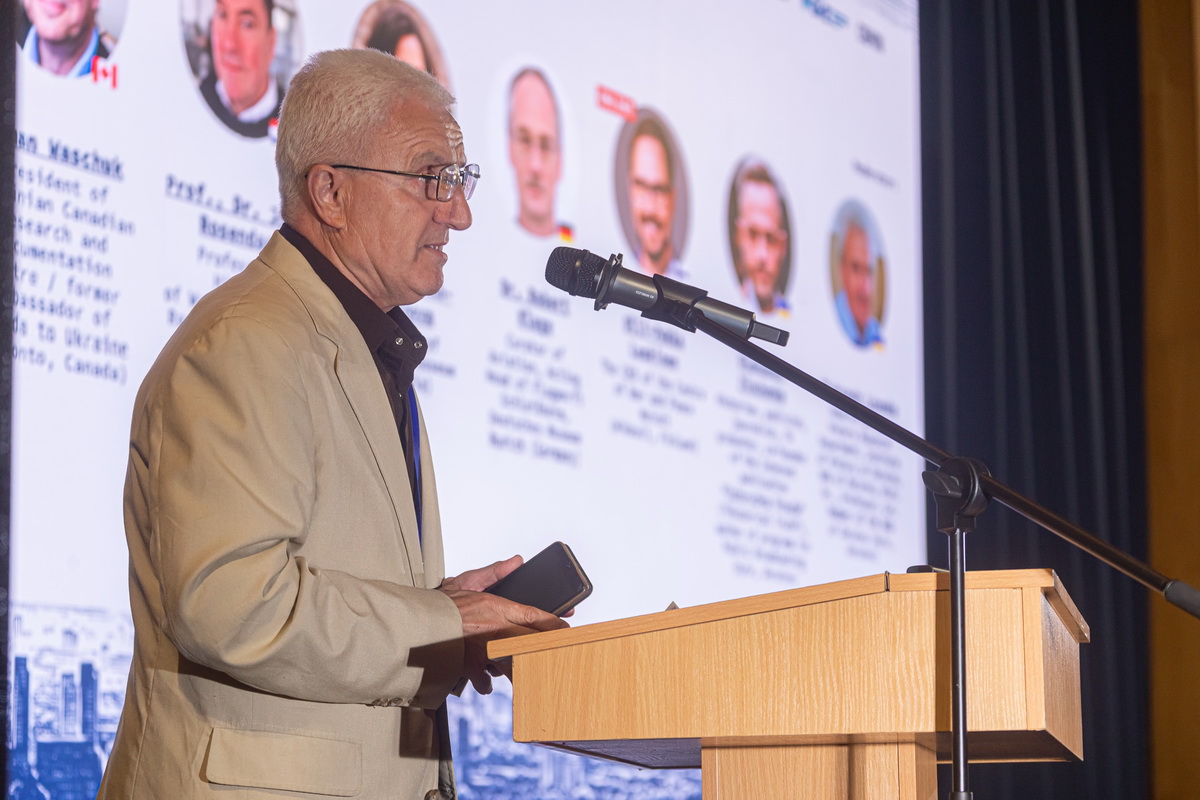
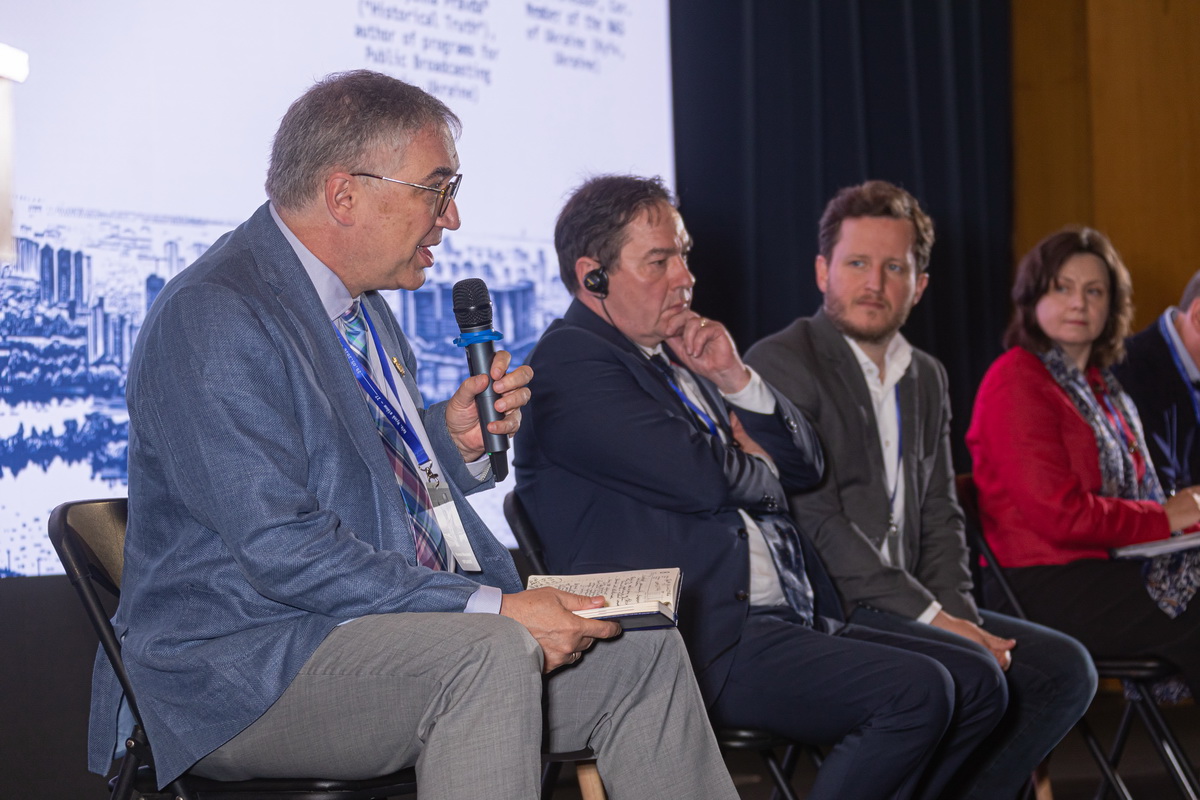
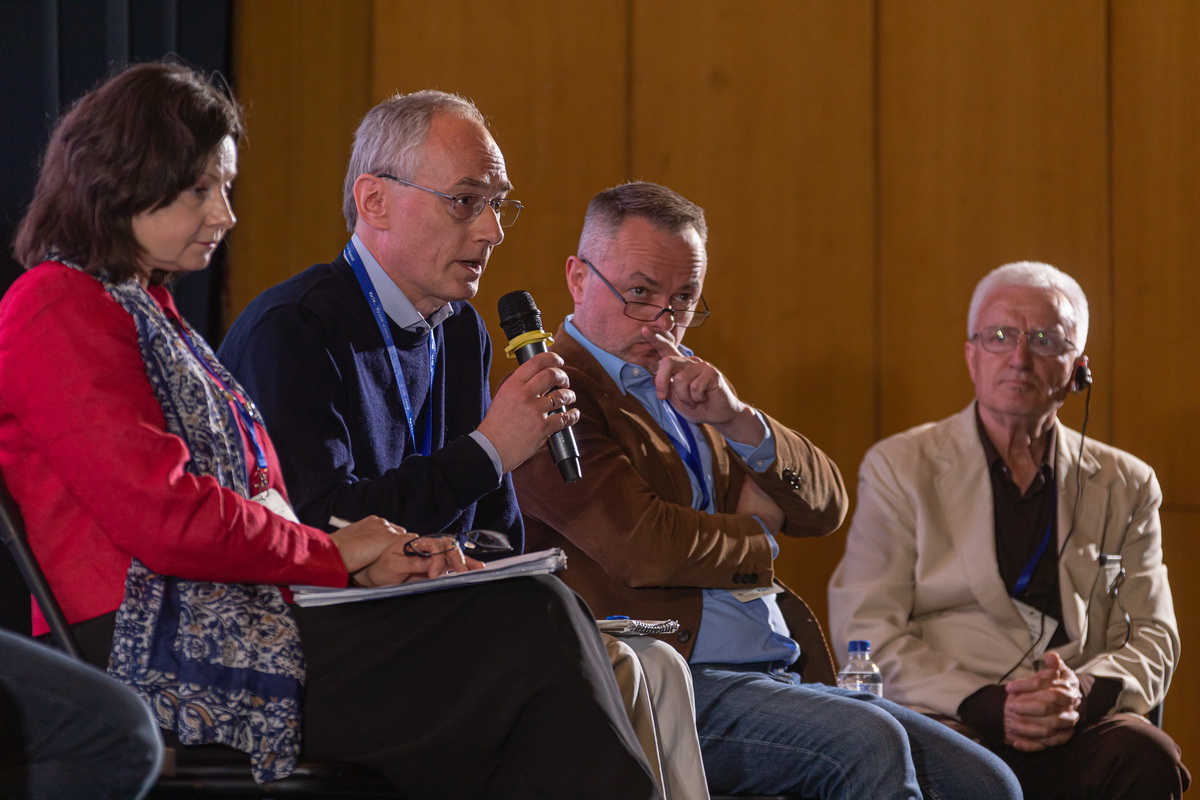
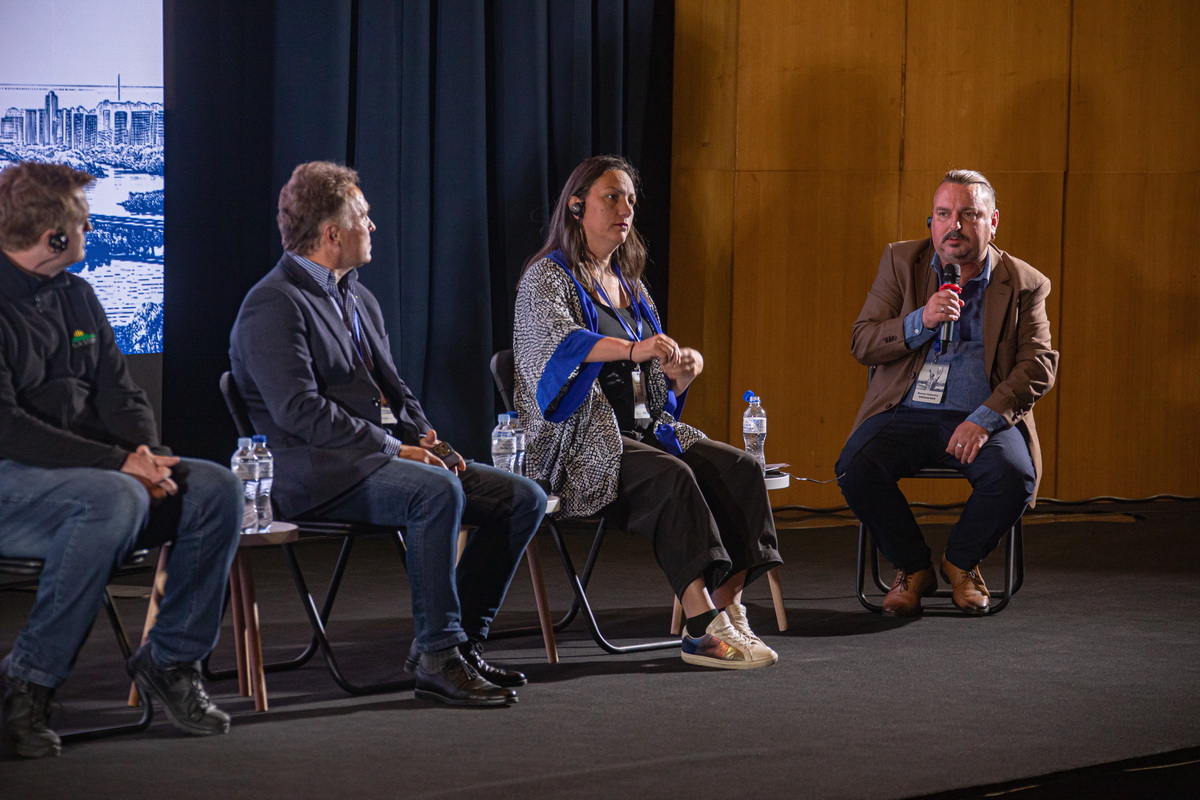
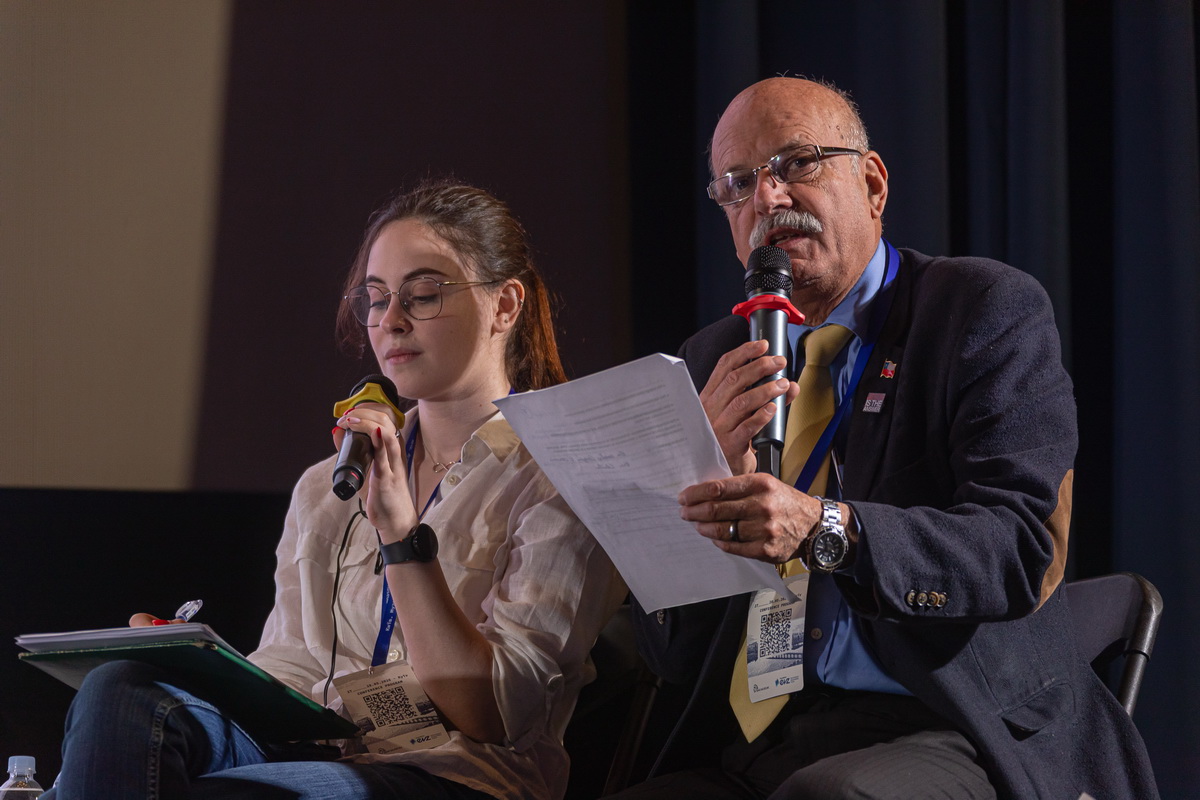
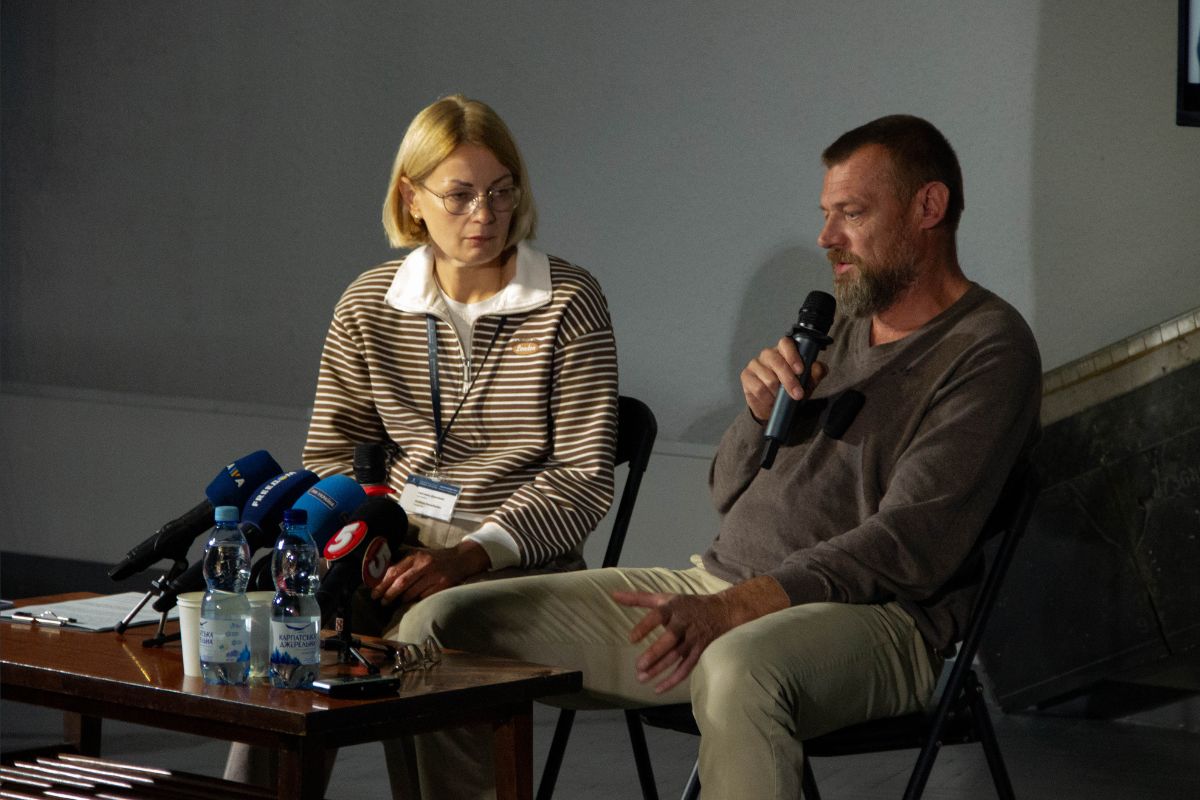
The panel “Humanizing Narratives of World War II,” moderated by Oleksandr Lysenko, Head of the War History Research Department at the Institute of History of Ukraine of the National Academy of Sciences of Ukraine, brought together international experts from Canada, the Netherlands, Estonia, Germany, and Finland. As historian Oleksandr Zinchenko emphasized, the best way to humanize history is to tell human stories: “ordinary stories of extraordinary people, extraordinary stories of ordinary people, and extraordinary stories of extraordinary people.” The speakers shared memory preservation projects from their respective institutions: Rémi Praud, LRE Foundation, the Netherlands; Roman Waschuk, Ukrainian Canadian Research and Documentation Centre, Canada; Professor Joost Rosendaal, Radboud University / Freedom Museum, the Netherlands; Maria Smorževskihh-Smirnova, Narva Museum, Estonia; Robert Kluge, Deutsches Museum, Germany; and Olli-Pekka Leskinen, Center of War and Peace Muisti, Finland. Particular attention was drawn to the presentation by Maria Smorževskihh-Smirnova, Director of Narva Museum, who spoke about the experience of countering russian propaganda in a city where Europe’s border with the aggressor state lies just 100 meters from the museum.
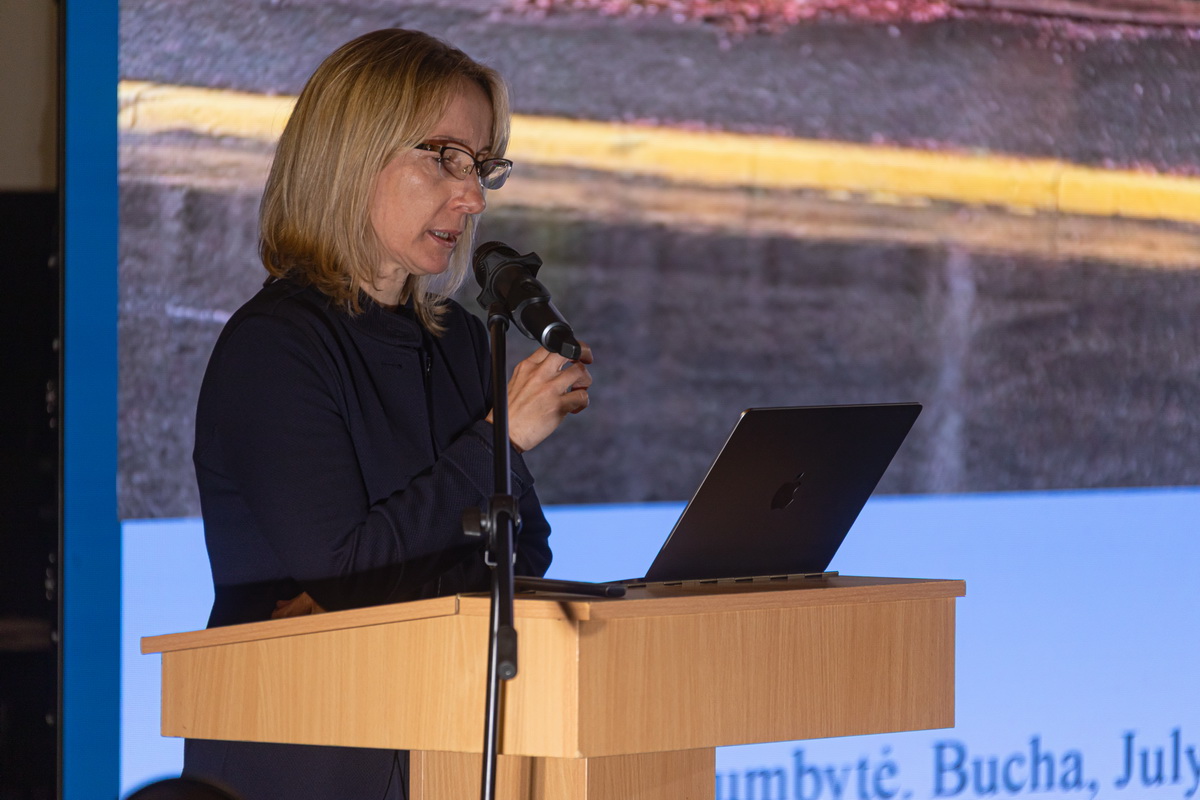
The discourse on memorializing and studying armed conflicts in real time opened with a lecture by Neringa Klumbytė, Professor at Miami University in Ohio, USA, and a Senior Researcher at the Lithuanian Institute of History. During the full-scale war, she has been actively conducting field research in the realities of the war brought to Ukraine by the kremlin regime.
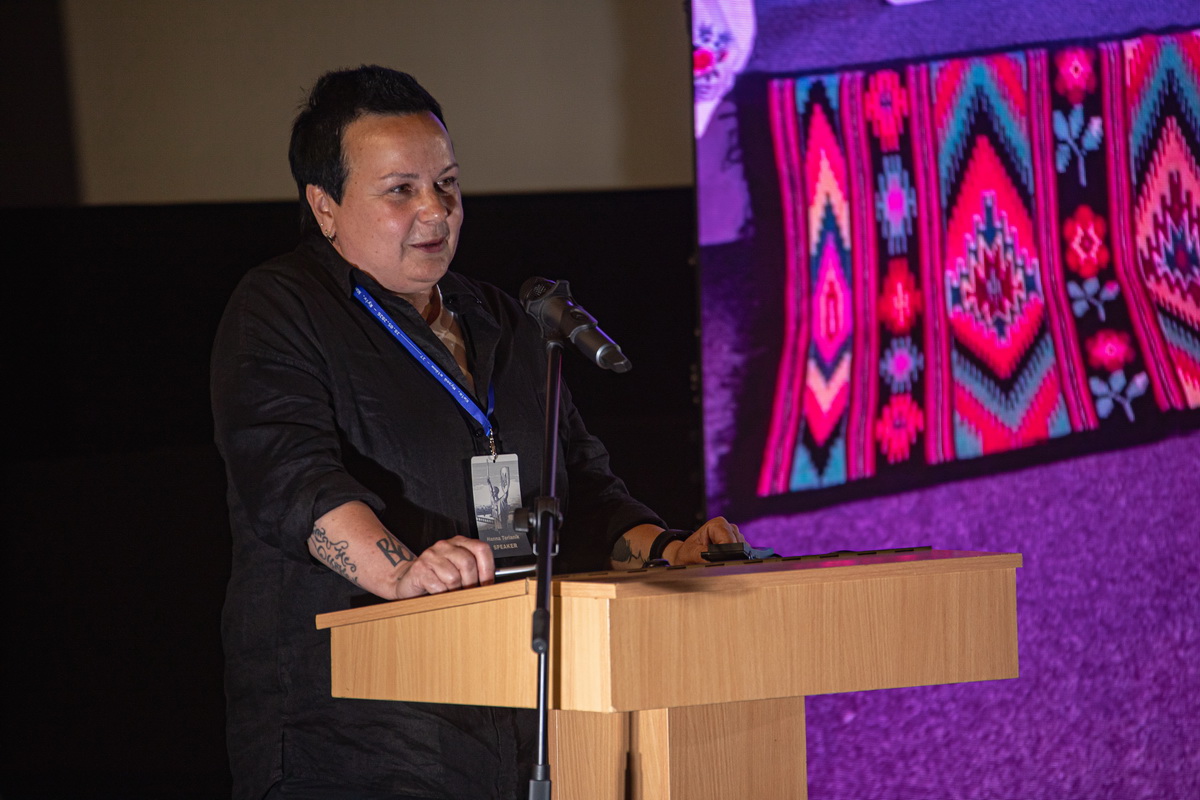
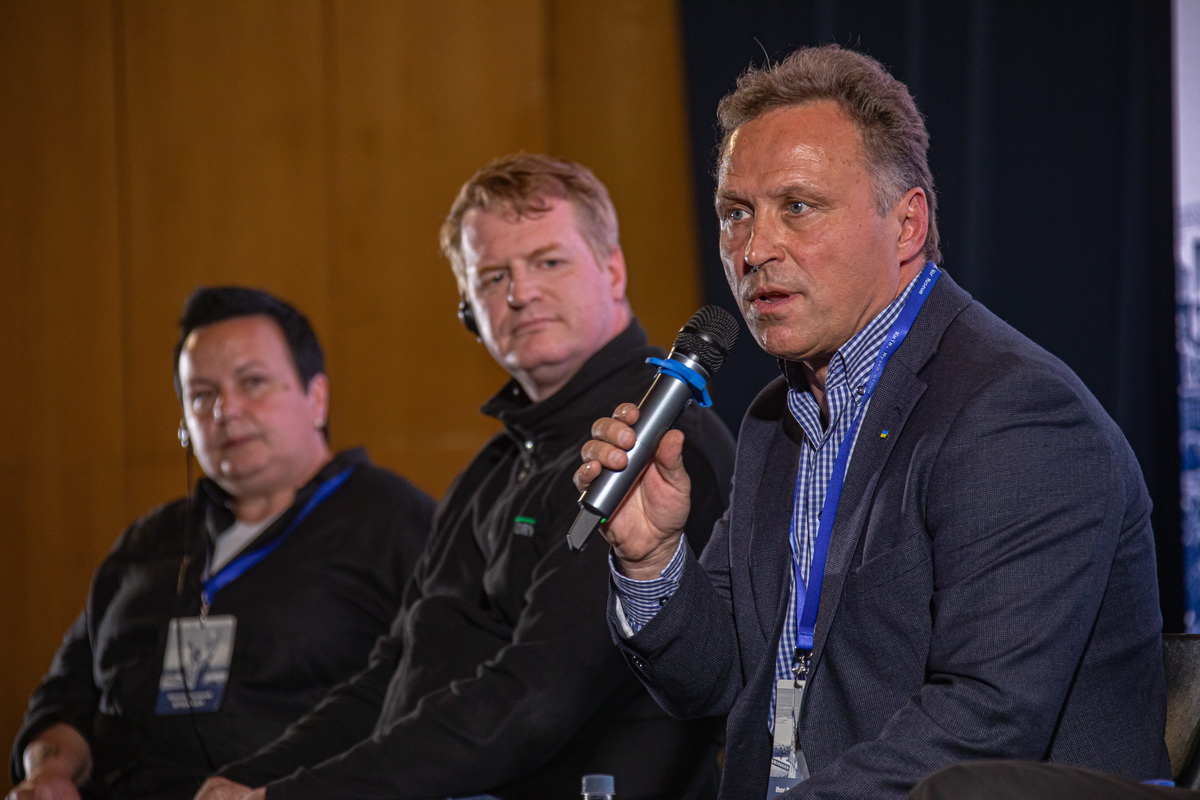
This theme was continued in the panel “When the Present Becomes History: Memorialization of Traumatic Events of the Modern Era,” moderated by Roman Kabachii, National Museum of the History of Ukraine in the Second World War. The panel explored approaches to processing the experience of conflict and turning trauma into a space for public memory, reflection, and dialogue. Hanna Terianik opened the discussion by presenting the Museum of the russian-Ukrainian War, a branch of the Dmytro Yavornytsky National Historical Museum of Dnipro. Different national cases were presented by Elma Hašimbegović, Historical Museum of Bosnia and Herzegovina; Enno Lenze, Berlin Story Bunker Museum; Hwan-Jun Lee, Government of Jeju Special Self-Governing Province, Republic of Korea; and Ihor Poshyvailo, National Museum of the Revolution of Dignity.
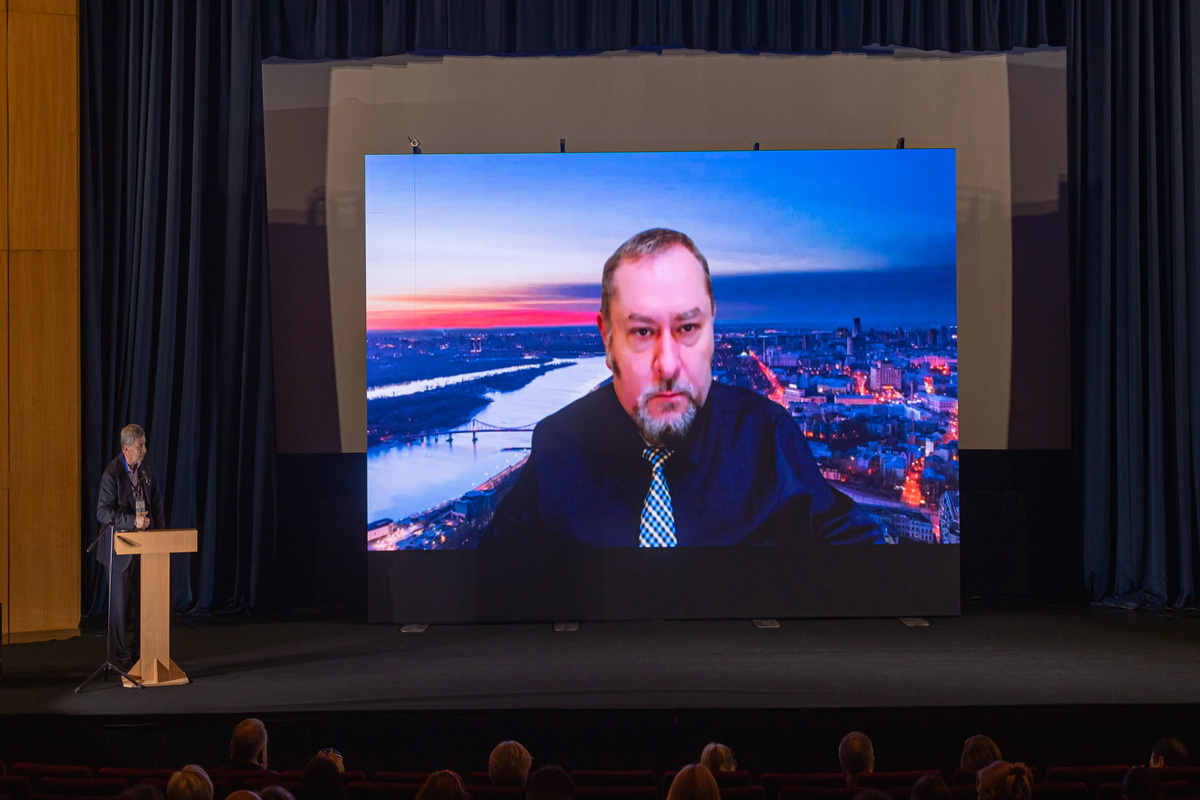
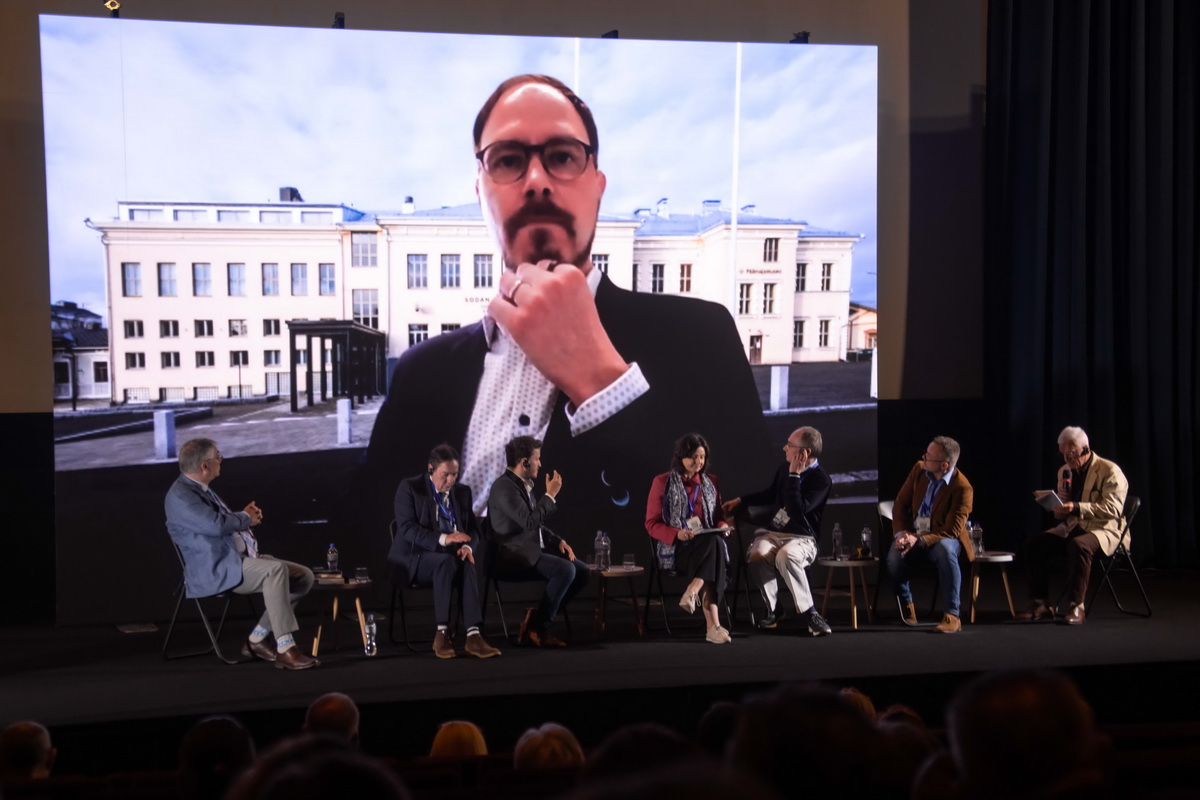
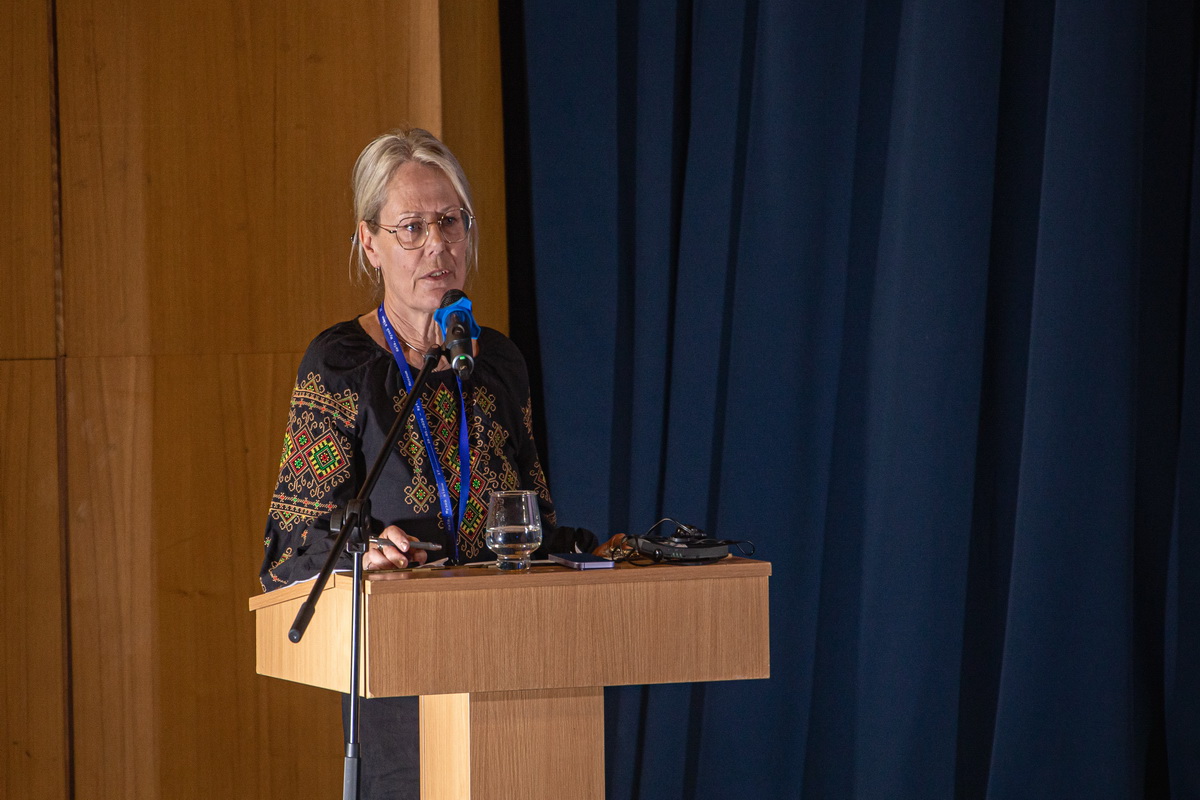
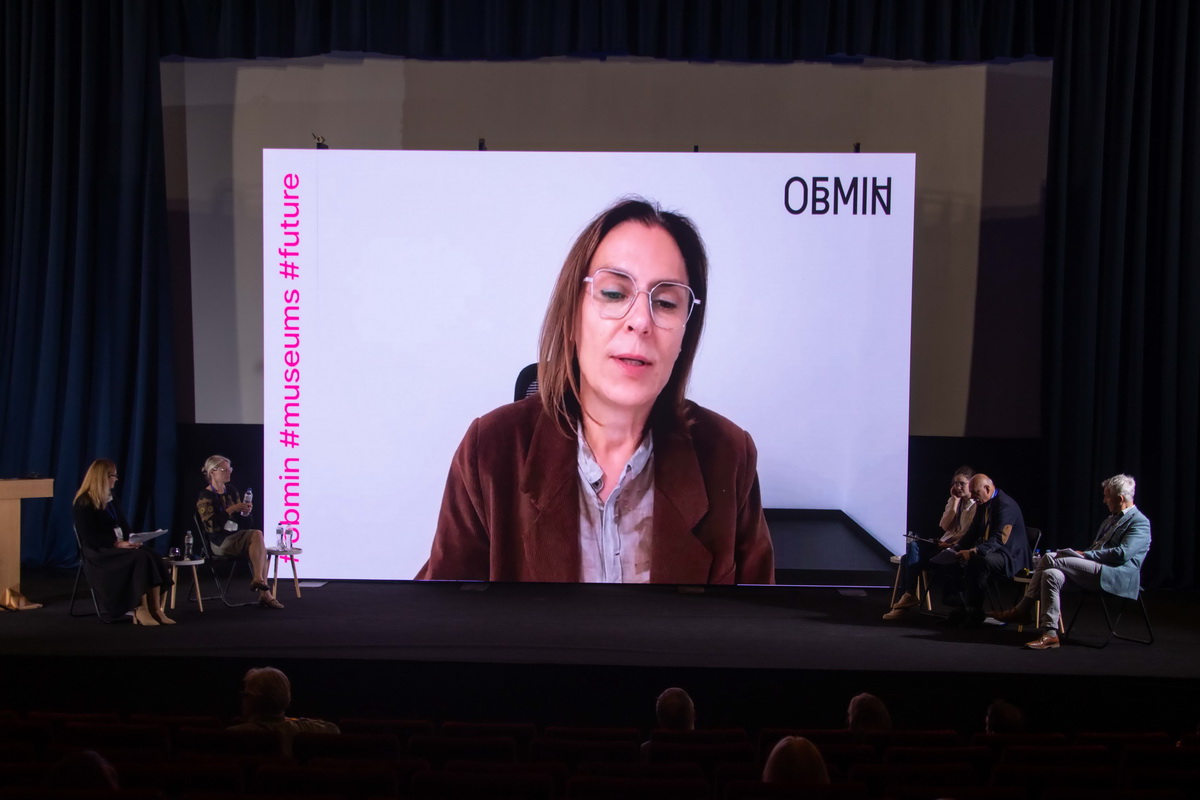
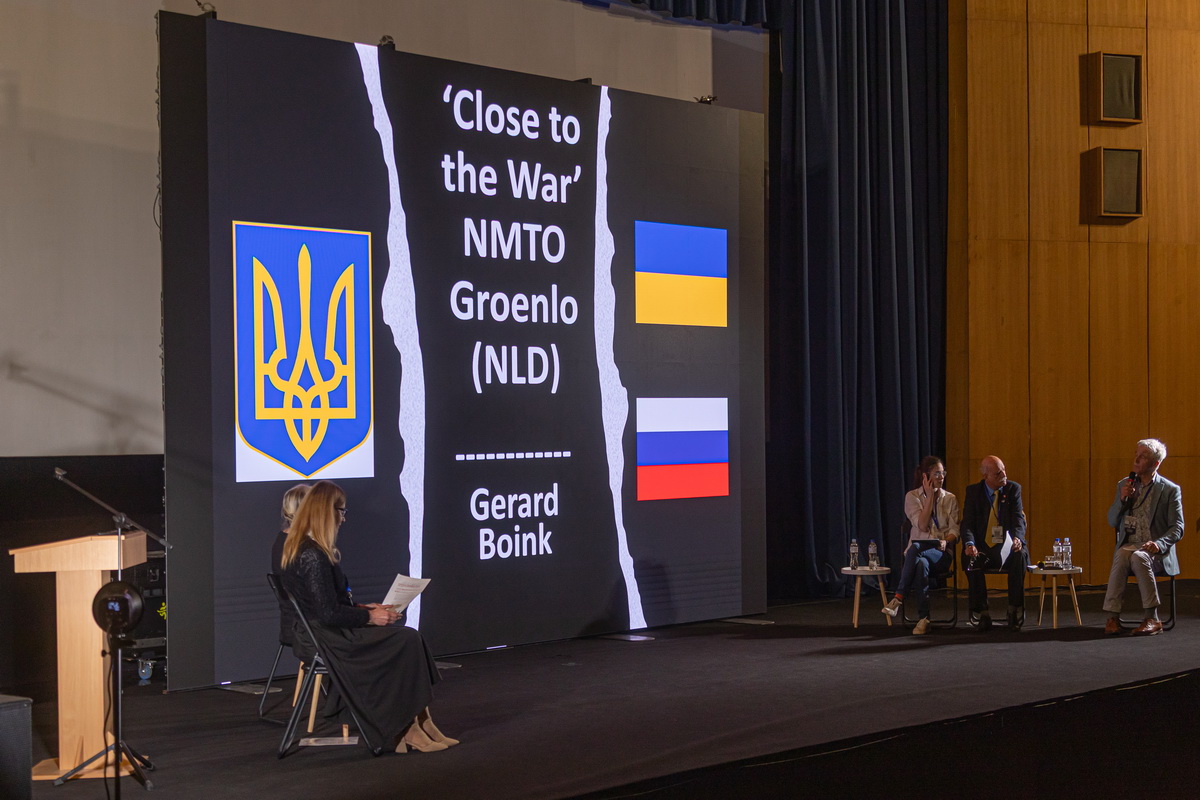
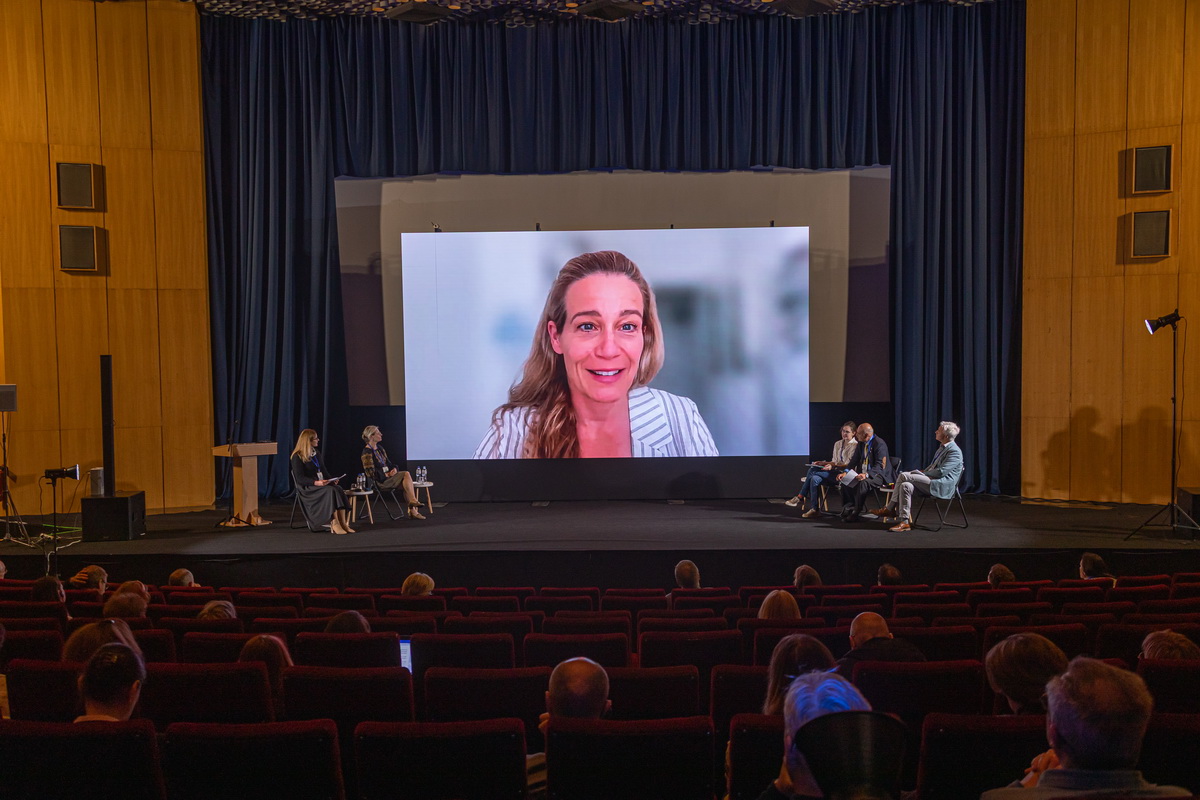
The final panel, “International Cooperation and the Preservation of Historical Memory,” was moderated by Larysa Osadcha, National Museum of the History of Ukraine in the Second World War. In her opening remarks, Helene Rånlund, Blue Shield Sverige, shared the experience of Swedish-Ukrainian museum cooperation, including the creation of “Crossroads: Sweden – Ukraine Through 1000 Years,” the largest international historical museum project in Ukraine’s history, developed with the participation of the War Museum and presented in Stockholm in 2024. Other international collaboration projects involving the War Museum were presented by Gerard Boink, National Museum of the Eighty Years’ War, the Netherlands, and Captain Fernando Jorge Escudero Zúñiga, Ukrainian Cultural House Foundation in Chile. Małgorzata Ławrowska-von Thadden, founder and head of the OBMIN Foundation, addressed the participants in a video message. The discussion also featured Julia Pagel, Secretary General of the Network of European Museum Organizations (NEMO), Germany, and Marieke van Schijndel, Director of Vfonds, the Netherlands. The conversation focused on supporting Ukrainian museum institutions, strengthening international partnerships, and upholding a shared responsibility to preserve cultural heritage in wartime.
The conference was summarized by Yurii Savchuk, Director General of the National Museum of the History of Ukraine in the Second World War. He emphasized: “These two days of the conference have been an incredible experience, one that will become part of future research and textbooks, just as this unique event has already become part of the history of our Museum, our culture, and international cooperation during the Great War.”
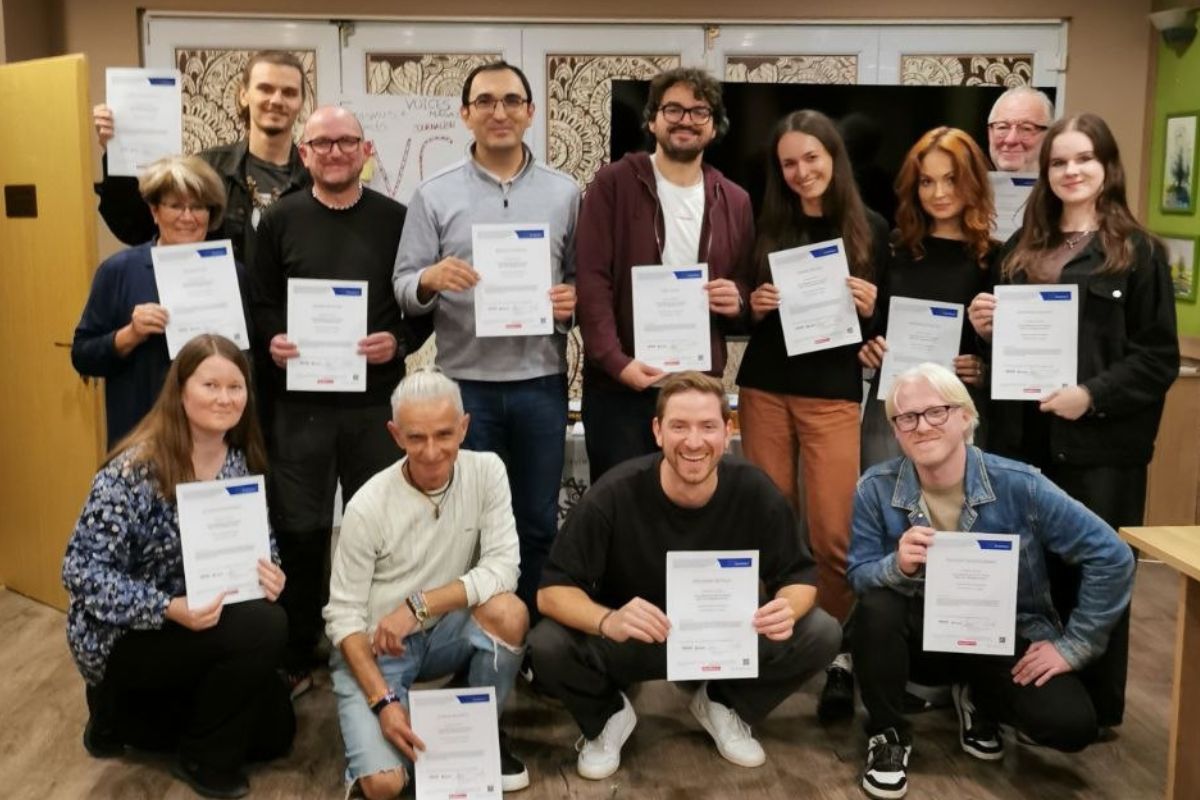
We thank all participants, partners, speakers, and attendees for these two days of shared work, discussions, and networking. We are especially grateful to the Foundation Remembrance, Responsibility and Future, whose funding made this event possible.
We are glad that together we were able to create a space for open dialogue among museum professionals, researchers, and cultural institutions from different countries.
We look forward to welcoming you again at the War Museum, in the heart of an invincible country