

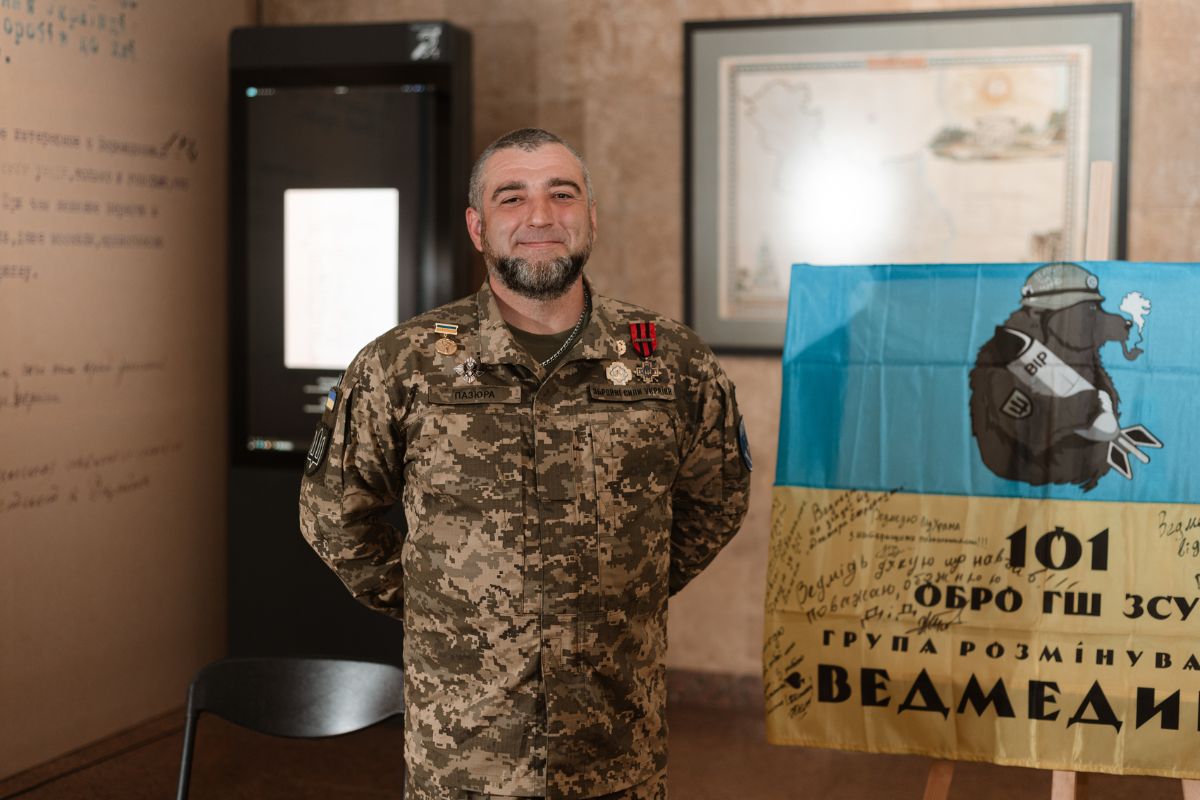
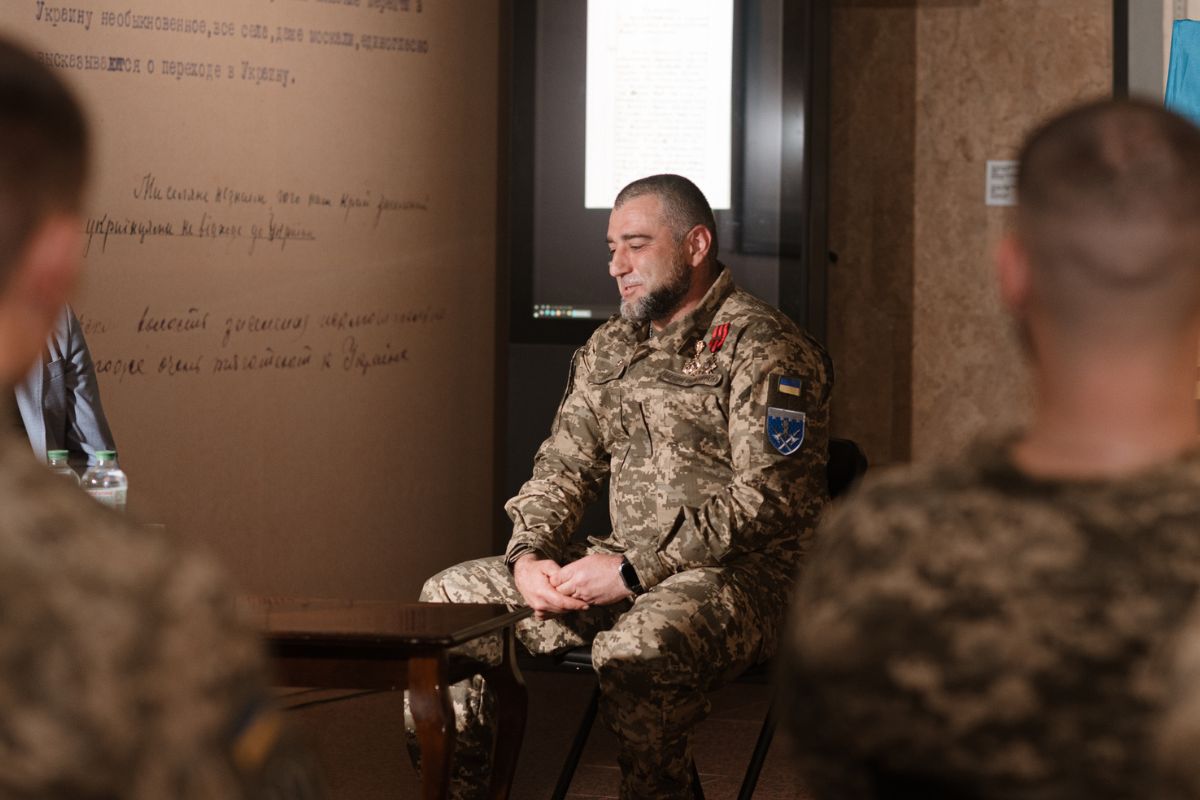
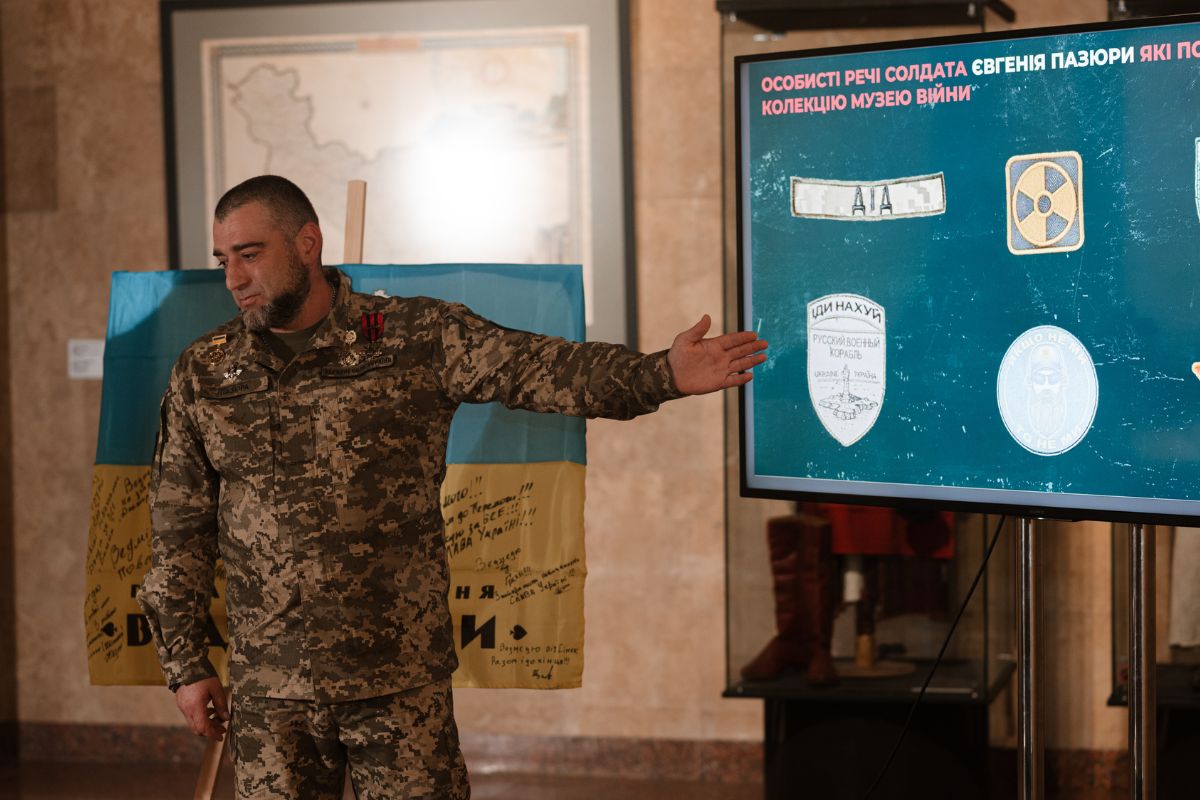
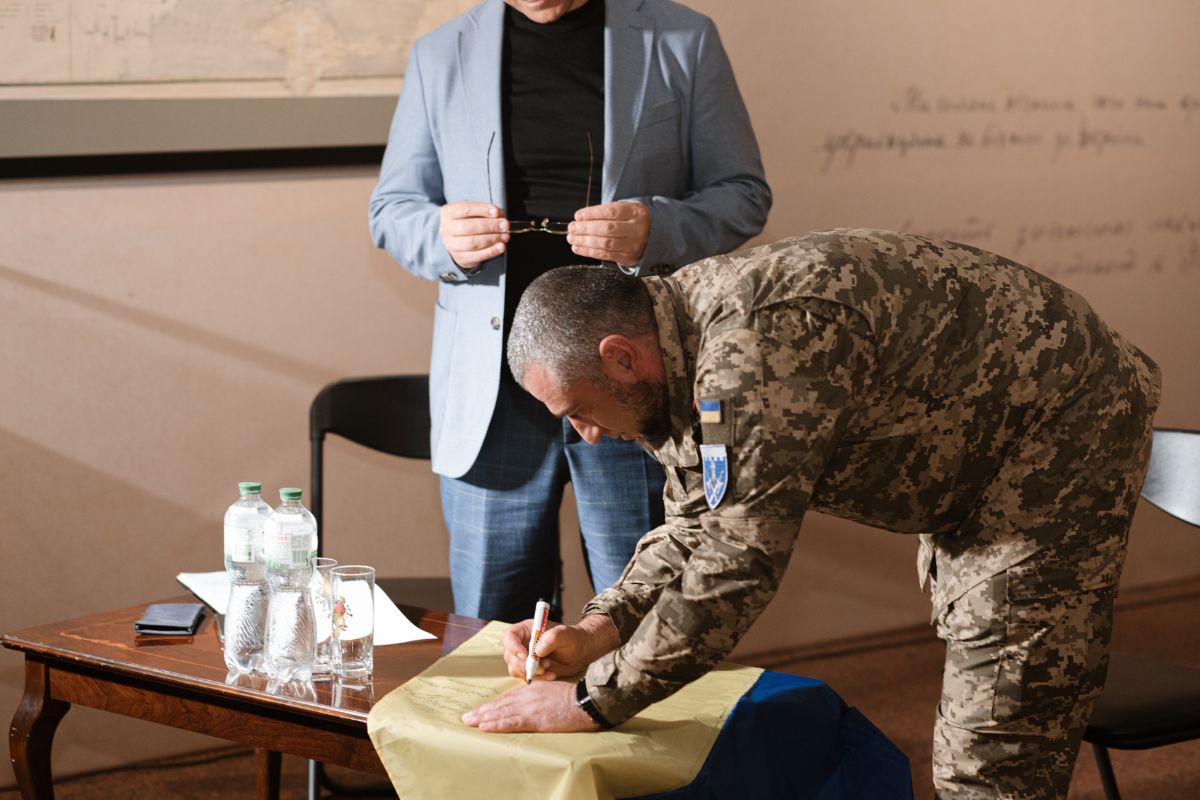
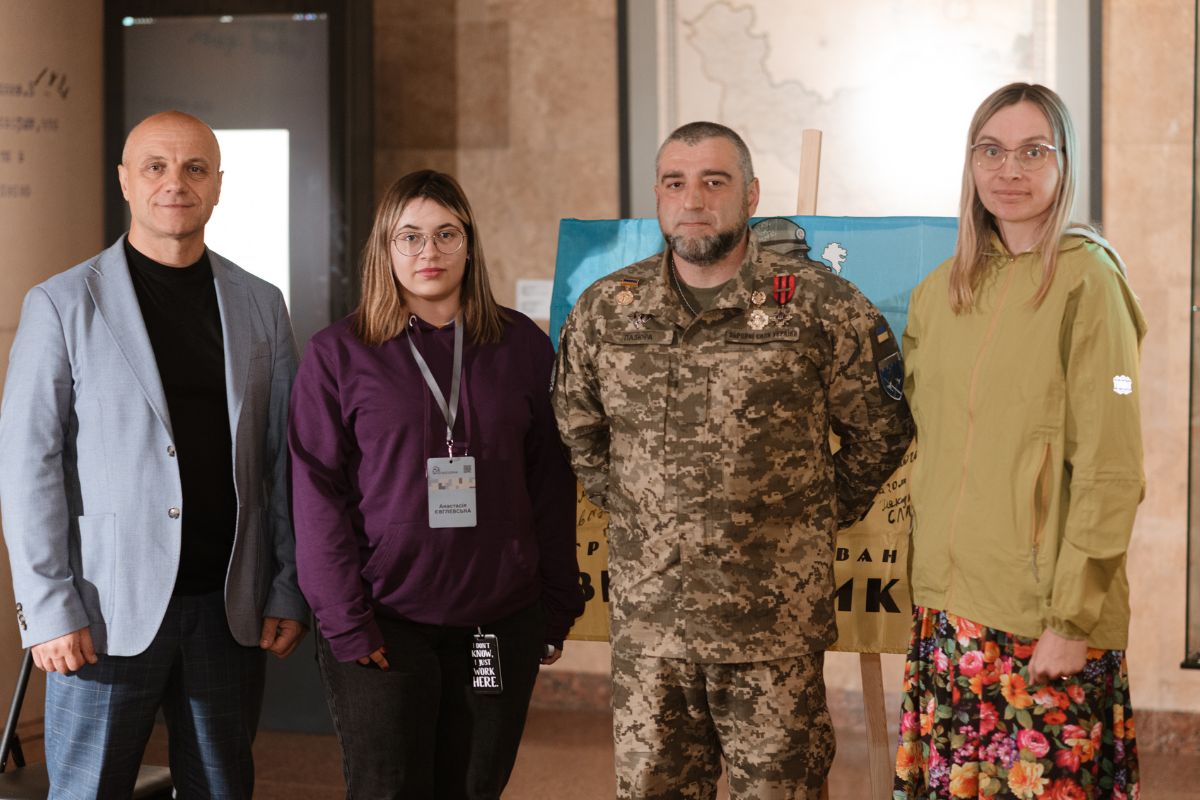
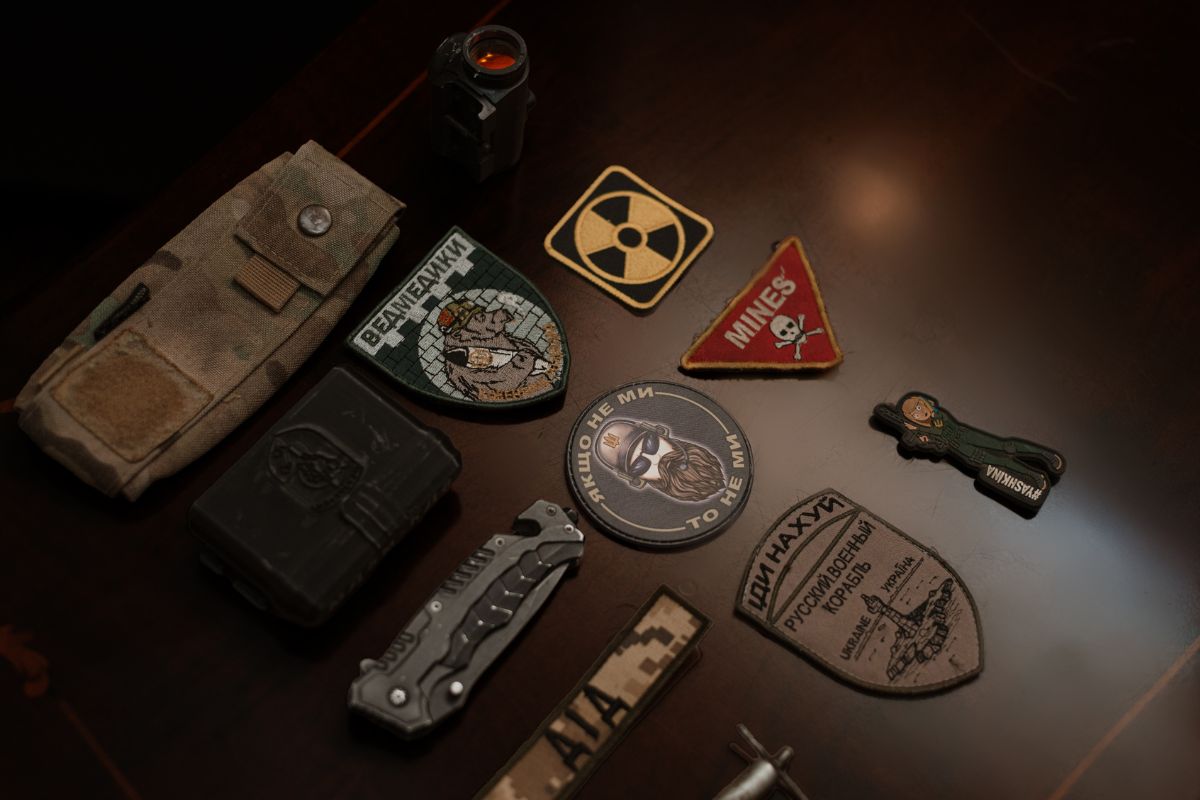
At the War Museum, a meeting took place with reconnaissance sapper Yevheniy Paziura with call sign “Did” of the 101st Brigade for the Protection of the General Staff named after Colonel-General Henadii Vorobiov. The event continued the series of living stories about the defenders – those who work every day on the front line.
Yevheniy was born on June 16, 1984, in the village of Plesetske in Kyiv region. When he was four, his family moved to the capital. From childhood, he was involved in sports: hand-to-hand combat, football, and track and field. He grew up in a family that respected discipline and hard work. “I was raised by my grandfather and grandmother. My grandfather was a military man, so from an early age I dreamed of a military career,” Yevhenii shared his memories.
Yevhenii Paziura’s dream came true, and he received a summons for compulsory military service. During his two years in the army, he repeatedly participated in eliminating the consequences of emergency situations.
After the army, he enrolled in the Kyiv Geological Exploration Technical College in the specialty “Maintenance and Repair of Automobile Engines.” “I thought it was a in-demand profession, but after a year I realized – my heart wasn’t in it,” the defender recalled.
Yevhenii vividly remembers how on February 23, 2022, he was walking in a park in the city of Bucha: “After the walk, I returned home, went to bed, and in the morning my father woke me up – the war had begun. I had breakfast, took my documents, and went to the military enlistment office.” That’s how he ended up in the 101st Brigade of the General Staff Guard, in the engineering reconnaissance unit. When the meeting’s moderator Serhii Siryi asked about his motivation, Yevhenii answered simply: “I went to defend my native home so that no one would kick its doors open.”
His first task was preparing a bridge for demolition if needed. After a month and a half, the enemy retreated, and the unit gained new positions. Then came dozens of operations: installing engineering obstacles, demining, searching for and destroying explosive objects, engineering reconnaissance. In the Kherson region, sappers from his group discovered over a hundred 120-mm mines unsuitable for use. “In 2025, we destroyed a Russian KAB-3000 aerial bomb. It didn’t reach the village and fell in a plantation. It was spectacular, but we got away with it,” the serviceman recalled.
During one rotation, the unit collected and prepared for destruction about 10 000 munitions. For Yevhenii, it is important to see the results of his work: “It’s gratifying when the fields we cleared are being cultivated again. It gives a sense of meaning.”
For conscientious performance of assigned tasks, Yevhenii Paziura was awarded the honorary breast badge of the Commander-in-Chief of the Armed Forces of Ukraine – the “Golden Cross.”
During the meeting, he spoke openly not only about his service but also about how important it is after the front to find one’s place in civilian life. He talked about the support of his family – wife Olena, son Roman, sister Lidiia – as well as the little things that help him hold on: a cat brought from a front-line village, and “teddy bear” talismans distributed by the commander.
Together with the event’s guests, Yevhenii discussed issues of reintegration of those released from captivity, psychological support for servicemen, and educational initiatives in schools. The defender emphasized that society needs to learn the right way to communicate with veterans, not to avoid talking about the war, and not to hinder those who, after service, seek to change their lives.
The meeting ended with a warm and sincere conversation. Yevhenii thanked the audience for their attention and support, and at the end said: “Family and trust – that’s the most important thing. When trustworthy people are nearby, even a minefield seems smaller. Let’s hold together”.
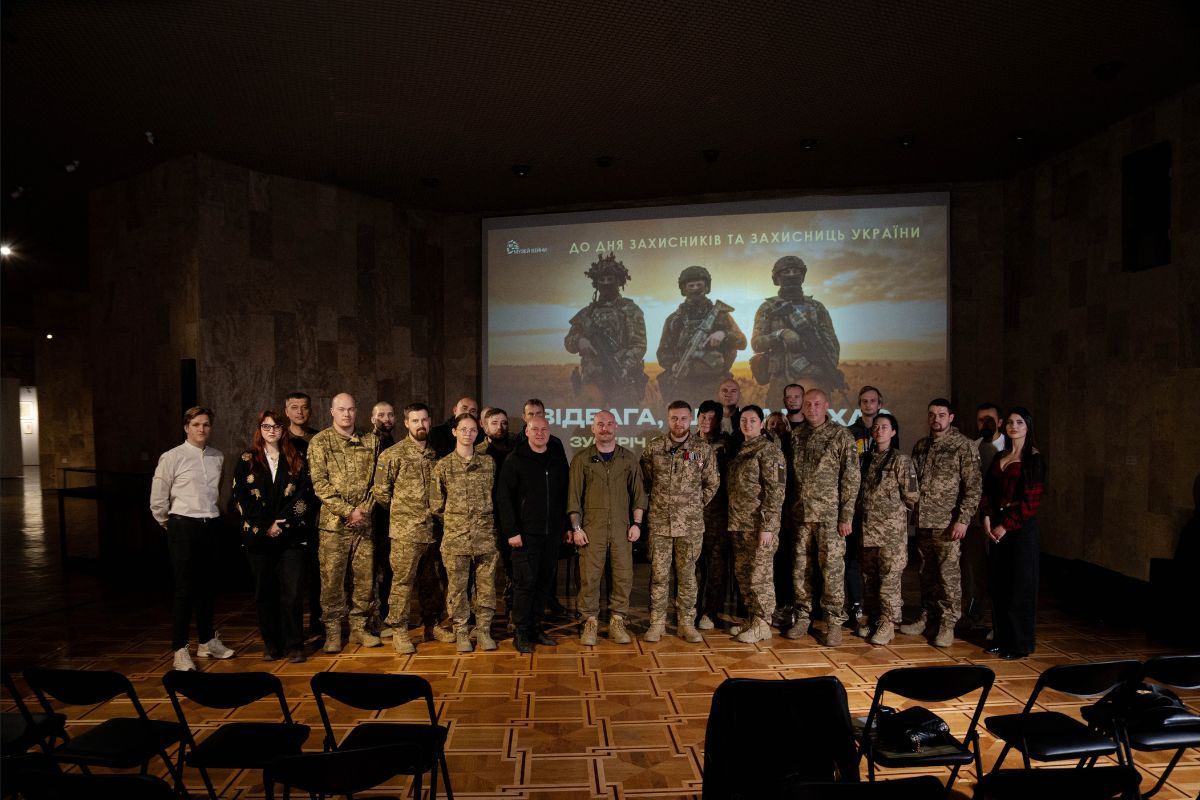
Meeting with Heroes of Ukraine at the War Museum Marking the Day of Defenders of Ukraine
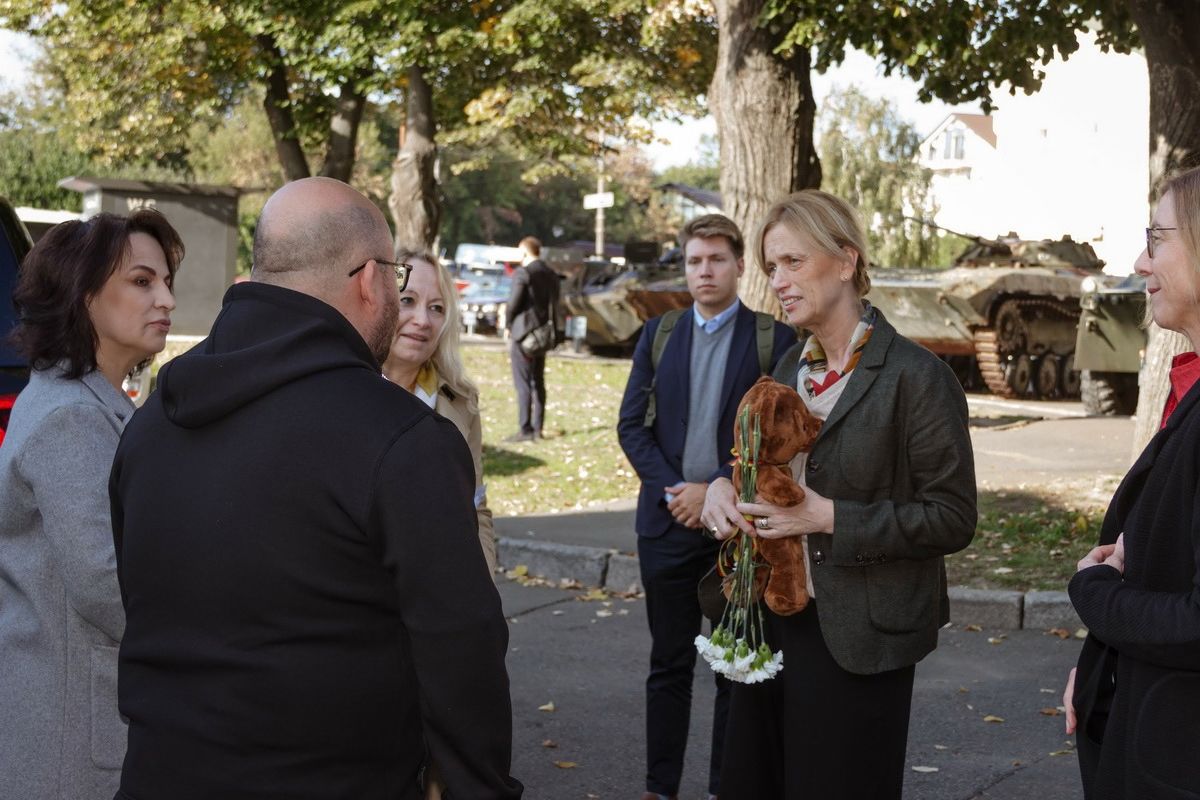
Federal Minister for Education, Family Affairs, Senior Citizens, Women and Youth of Germany Karin Prien visited the War Museum