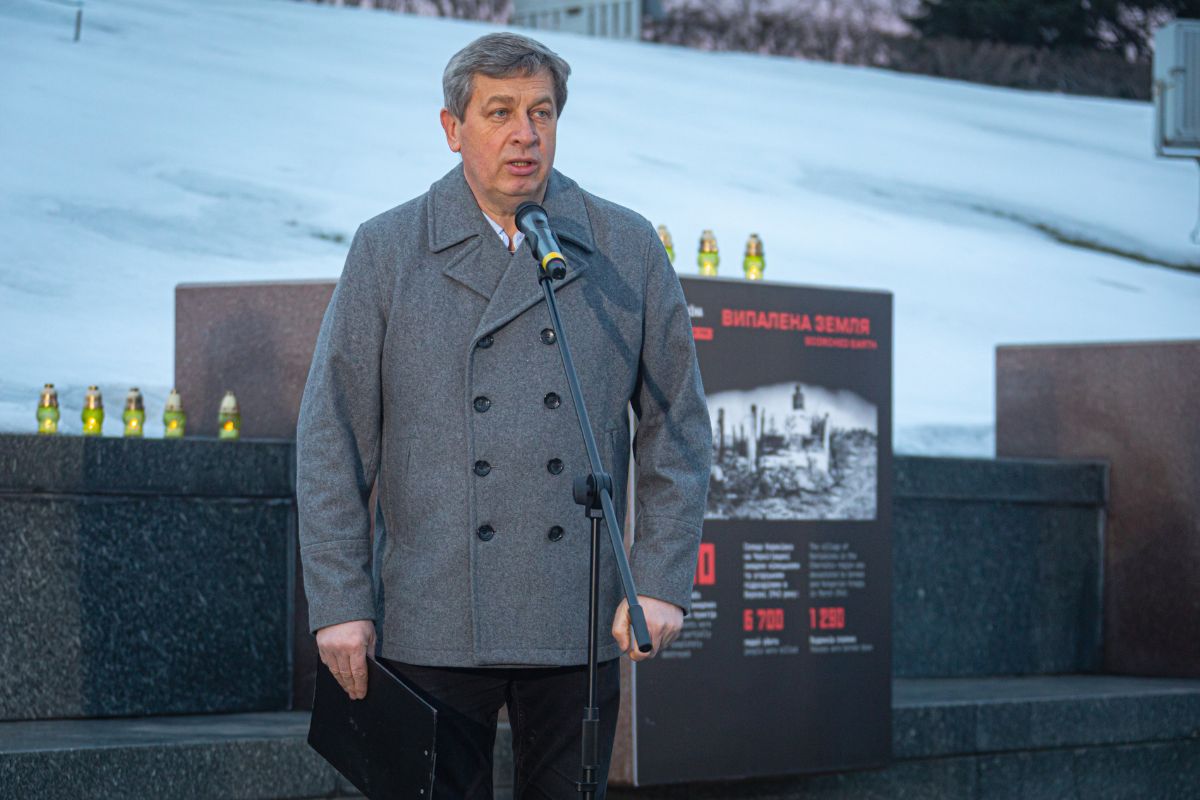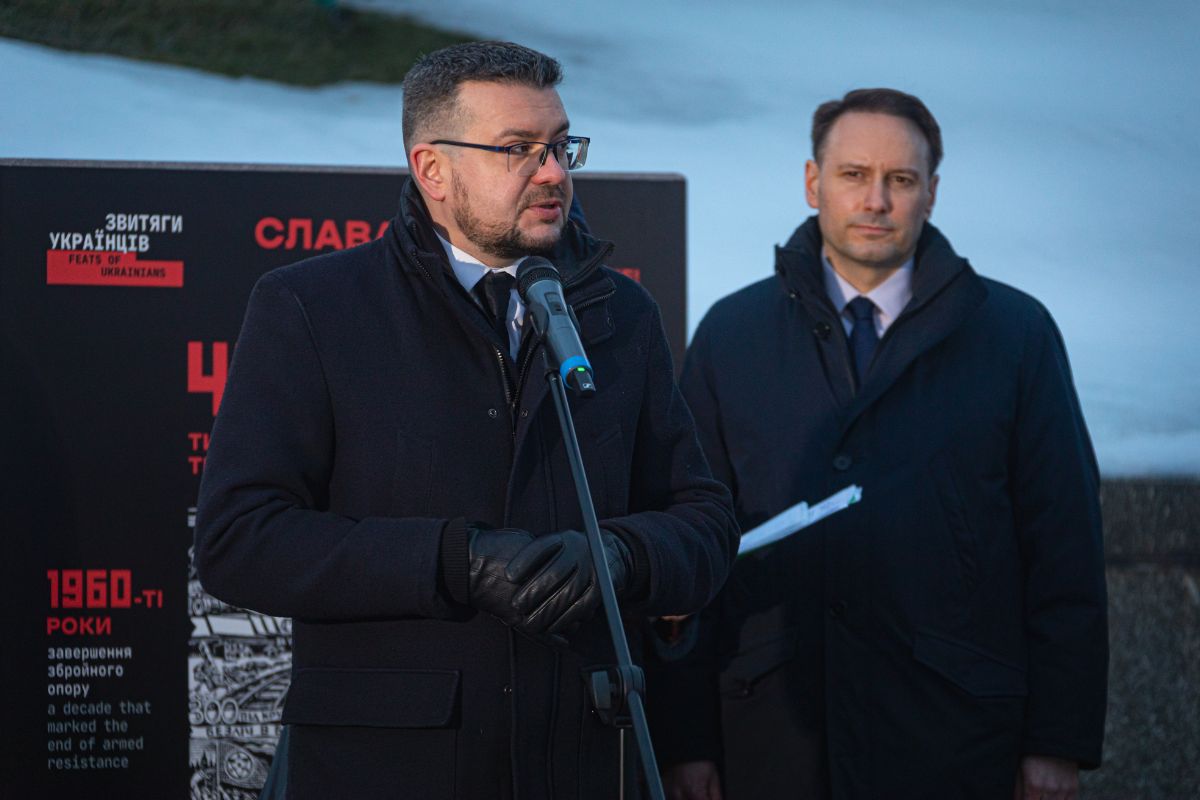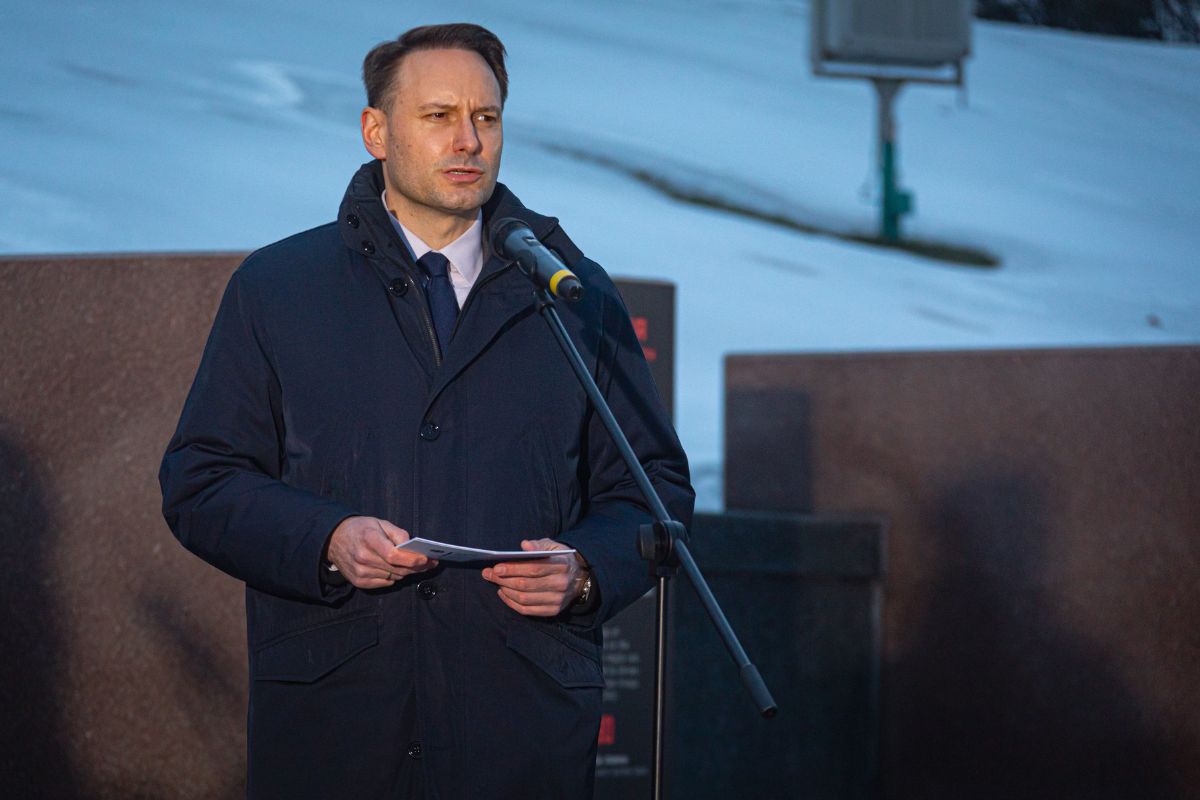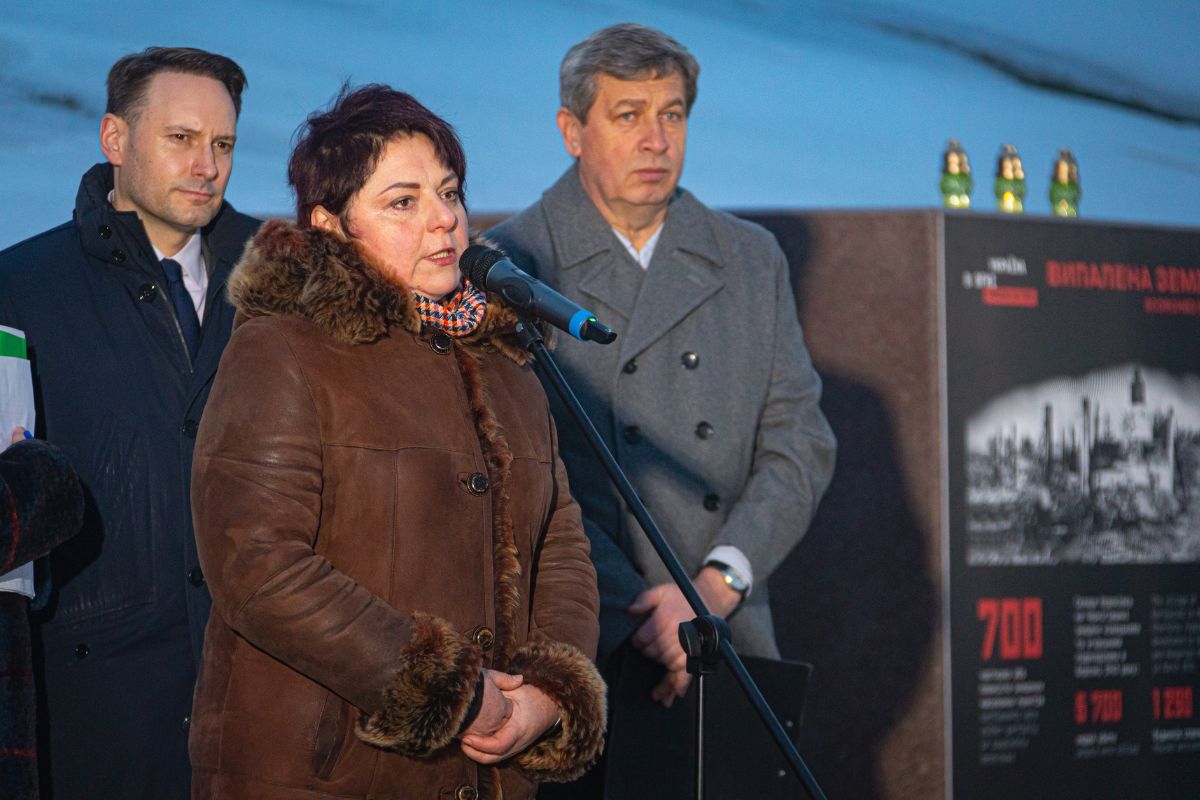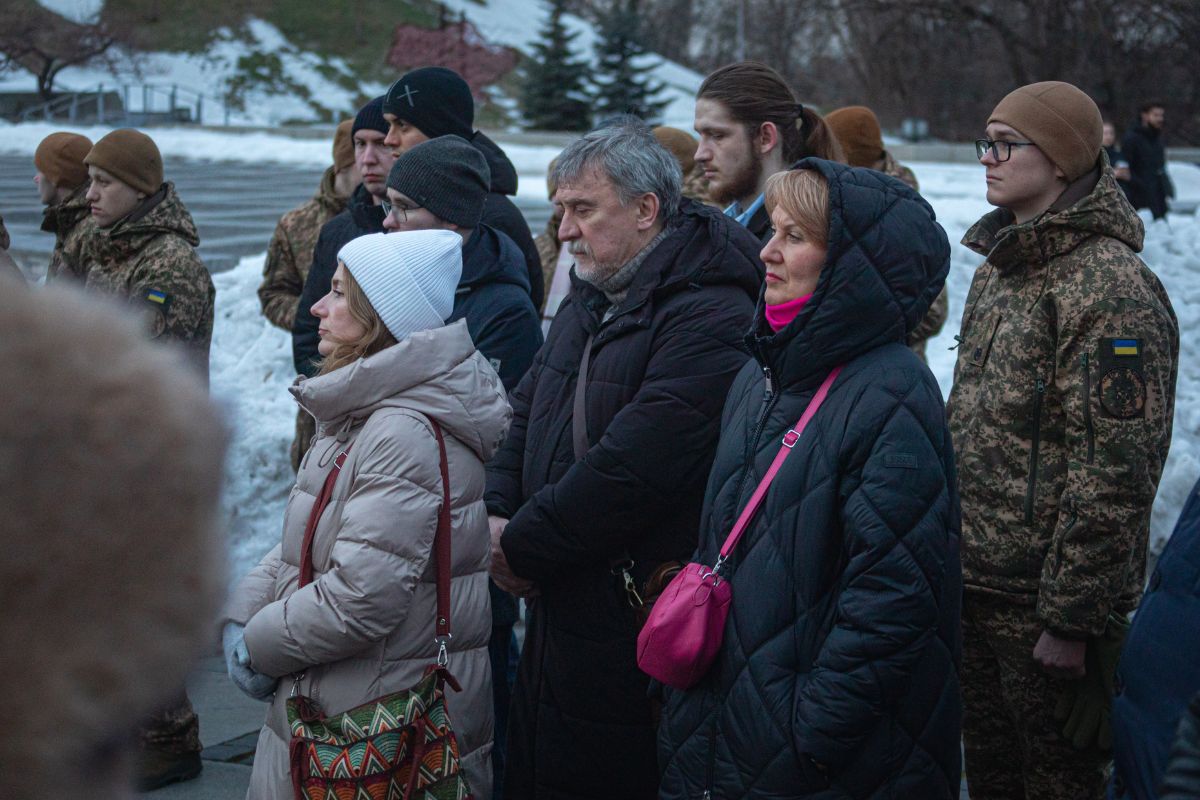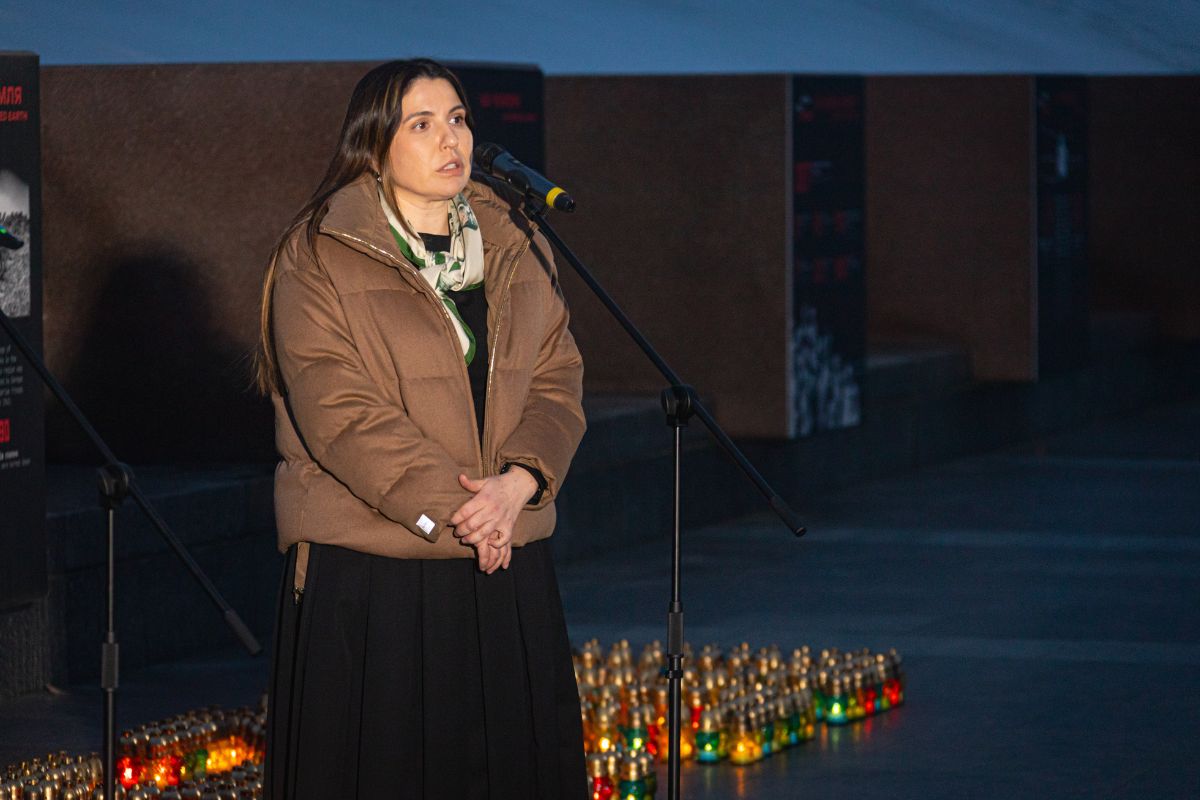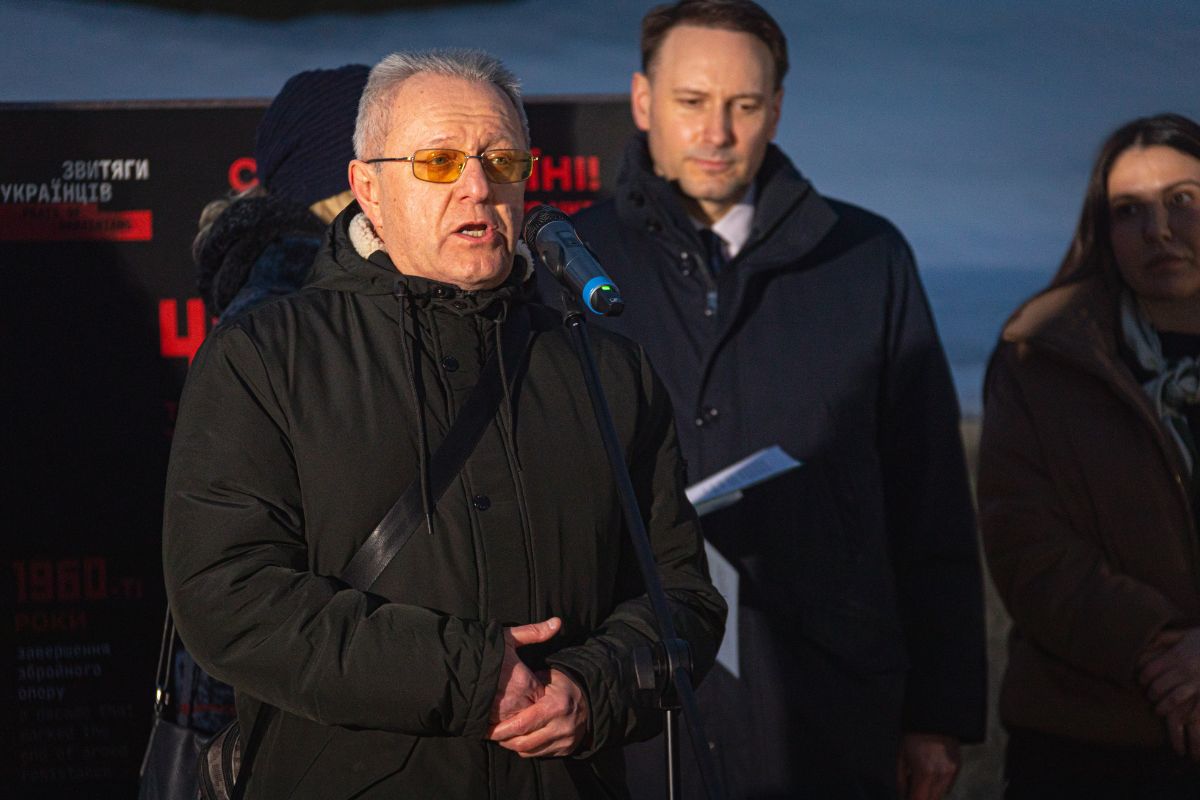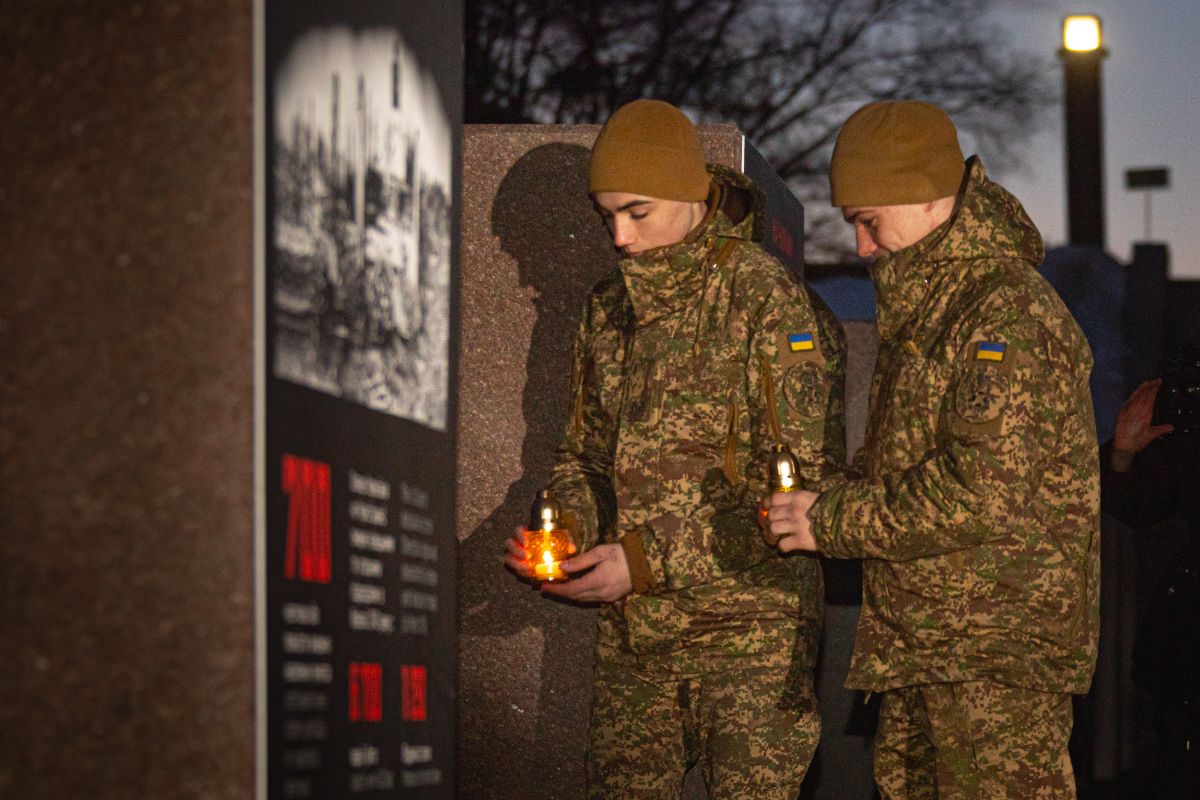


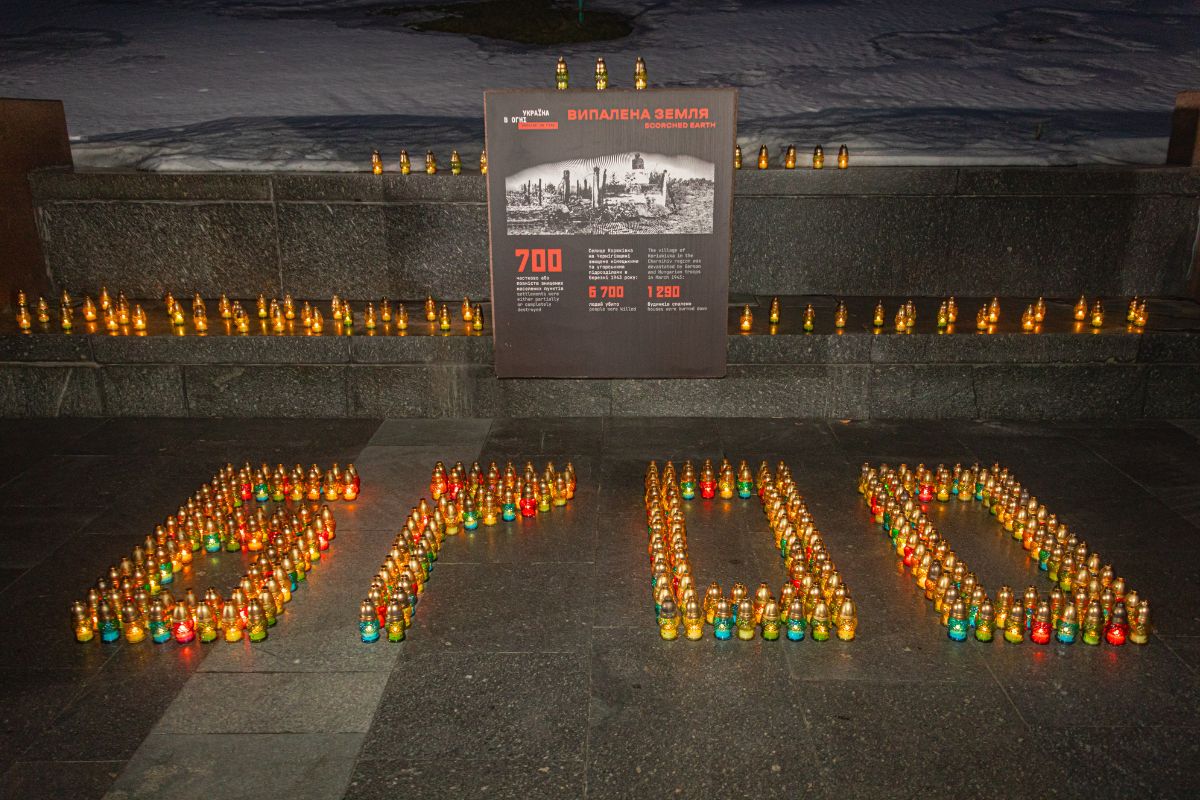
On March 2, 2026, at the initiative of the Ukrainian Institute of National Memory, a memorial action «6700» dedicated to honoring the victims of the Koriukivka tragedy of 1943 took place on the territory of the National Museum of the History of Ukraine in the Second World War. The event establishes the tradition of lighting candles at the Museum of War as a sign of remembrance for the peaceful residents destroyed by the Nazi occupation forces and Hungarian units.
Exactly 6700 innocent people were killed on March 1–2 and 9, 1943, in one settlement – the town of Koriukivka in Chernihiv region. The Koriukivka tragedy became one of the largest crimes against the civilian population committed by the Nazis during the Second World War and stands in the same row as the destruction of Lidice, Khatyn, and Oradour-sur-Glane.
Participants of the event lit candles of memory on the main square of the Museum of War, in the space of the exhibition «Our Victory».
The commemoration was joined by representatives of the diplomatic corps, state authorities, cultural institutions, scholars, cadets of the Kyiv Institute of the National Guard of Ukraine, and the public.
Deputy Extraordinary and Plenipotentiary Ambassador of the Federal Republic of Germany to Ukraine Maximilian Rasch shared: «The German crime in Koriukivka must not remain in the shadow of history and must never be forgotten. Koriukivka deserves its place in European memory, because Ukraine is part of Europe, its freedom is our freedom. From its own history, Germany knows what terrible consequences imperialism, tyranny, and disregard for international law can lead to. That is why today we stand clearly and decisively on the side of Ukraine. And today Koriukivka is a symbol not only of the sufferings of the past, but also of a good common future in partnership in Europe».
Head of the Ukrainian Institute of National Memory Oleksandr Alfiorov emphasized: «These victims will never be in vain and will never be forgotten. The events of 1943 are also connected with the policy pursued by the Soviet regime, because Fedorov’s partisans stood nearby and did not save the peaceful residents from death – on the contrary, they brought this disaster upon them. Today we are observing the same actions from Russian occupiers, which are called hybrid warfare. We must understand that a totalitarian regime will never allow the publication of any truthful testimonies, and currently our enemy is the totalitarian Putin regime».
General Director of the National Historical and Memorial Reserve «Babyn Yar» Roza Tapanova stressed the need to rethink attitudes toward difficult pages of the past. According to her, revealing the truth about the tragedies of the Second World War is an integral part of forming historical consciousness. Memory of such events helps to realize who is guilty of crimes against the civilian population and why today Ukraine is once again forced to fight for its right to exist.
Representative of Chernihiv region, People’s Deputy of Ukraine of the fourth convocation Volodymyr Stupak noted the importance of honoring the victims of the Koriukivka tragedy at the state level and the significance of such an event at the national level. He emphasized that every year the Koriukivka City Council invites representatives of the Hungarian Embassy to participate in the commemoration of the tragedy victims, but they have never come. Volodymyr Stupak stressed: «Refusal to honor the memory of the innocent is the position of the state».
The speeches drew parallels between the Nazi crimes of 1943 and the modern war crimes of Russian military personnel against the civilian population of Ukraine, as in the basements of Yahidne, the same Chernihiv region, but already in the 21st century.
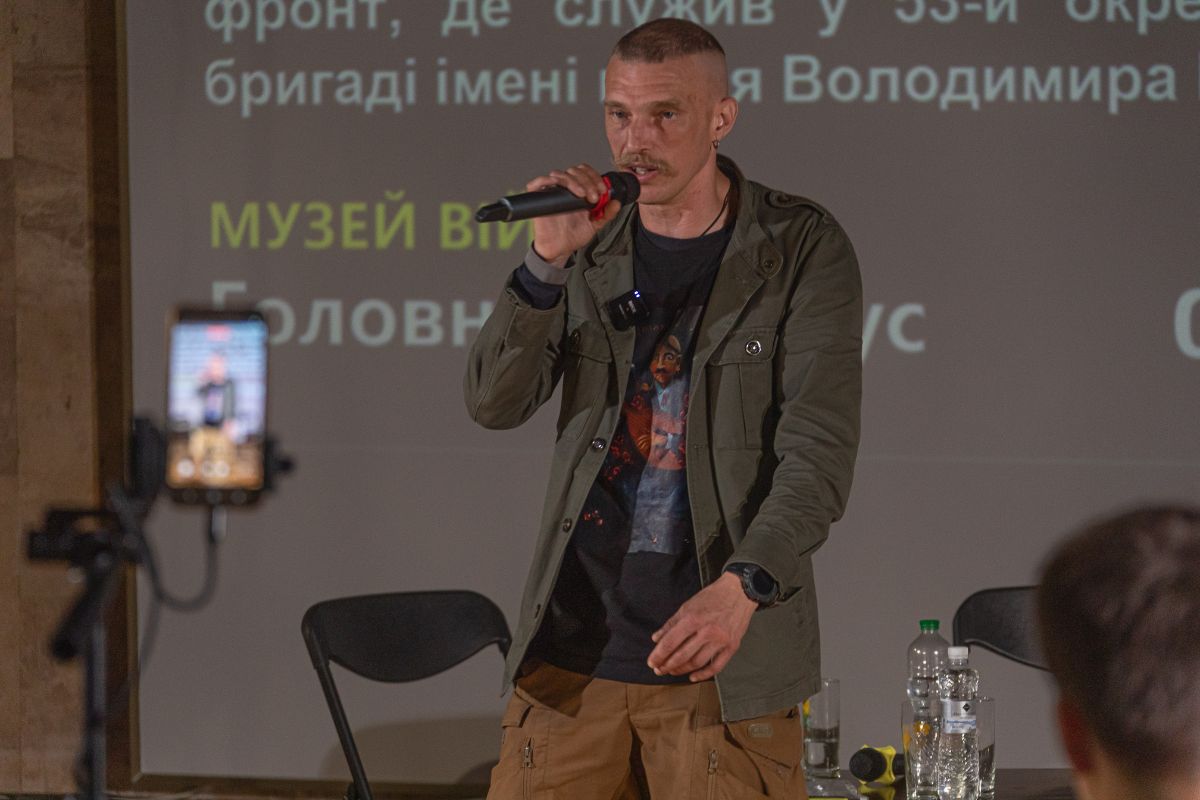
The event was also joined by Tetiana Sheptytska – Deputy General Director for Scientific Work of the National Historical and Memorial Reserve «Bykivnia Graves» and General Director of the National Museum of the History of Ukraine in the Second World War Yurii Savchuk. He thanked all participants of the event for the joint commemoration of the victims’ memory and emphasized that such events shape and affirm European memory policy.
Today, in the conditions of Russia’s full-scale aggression against Ukraine, the Koriukivka tragedy sounds particularly acute. Reflecting on the crimes of the past is an important component of the struggle for historical truth and a reminder to the world that crimes against humanity have no statute of limitations.