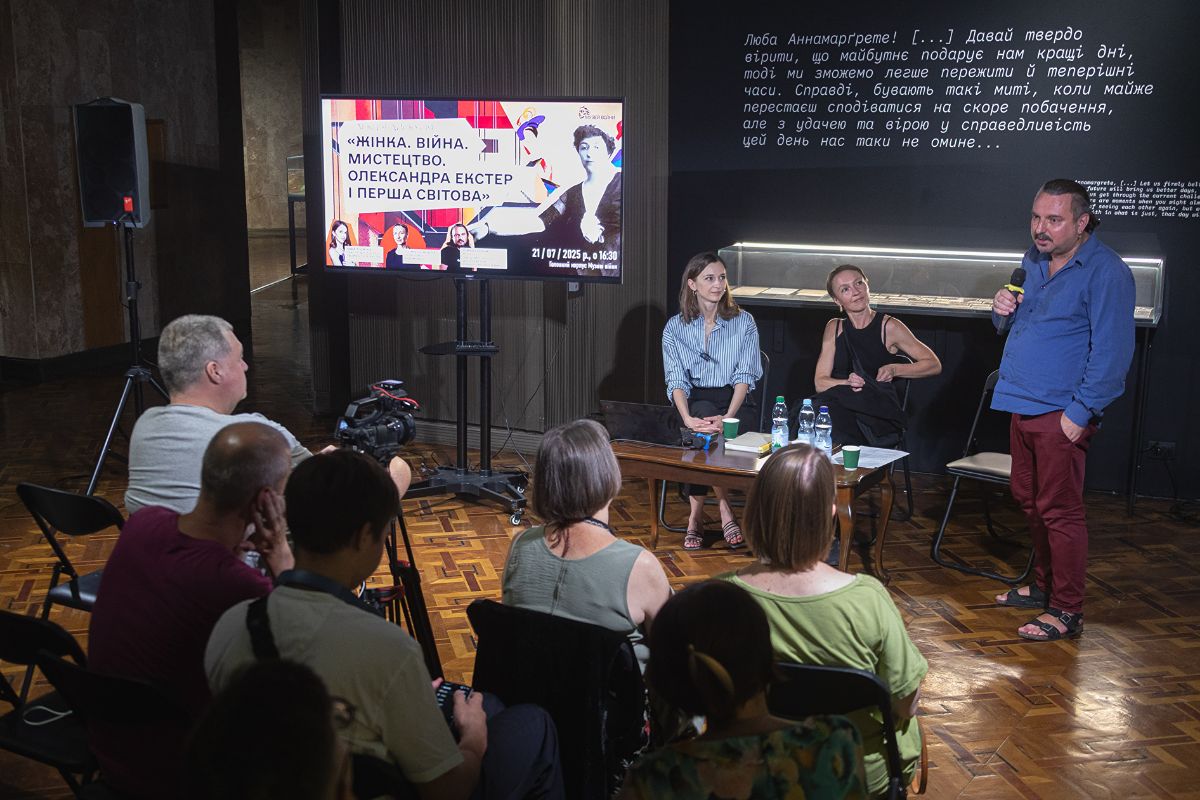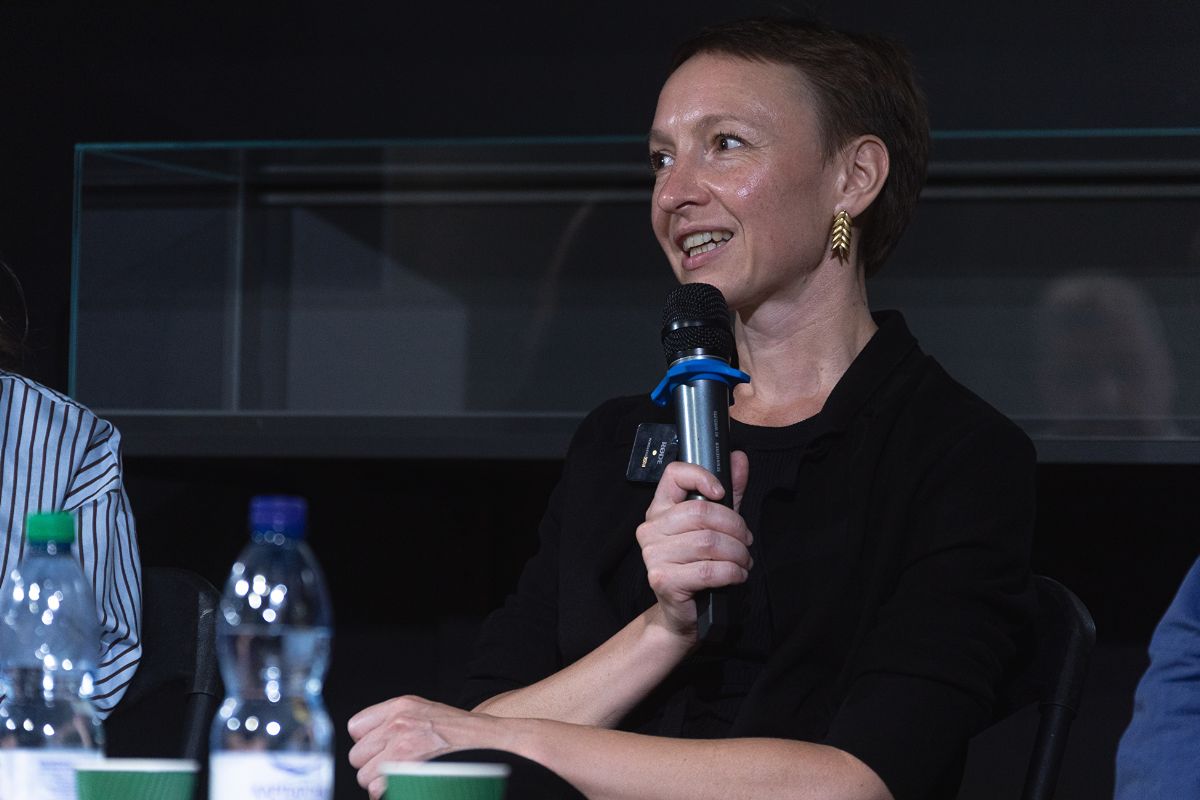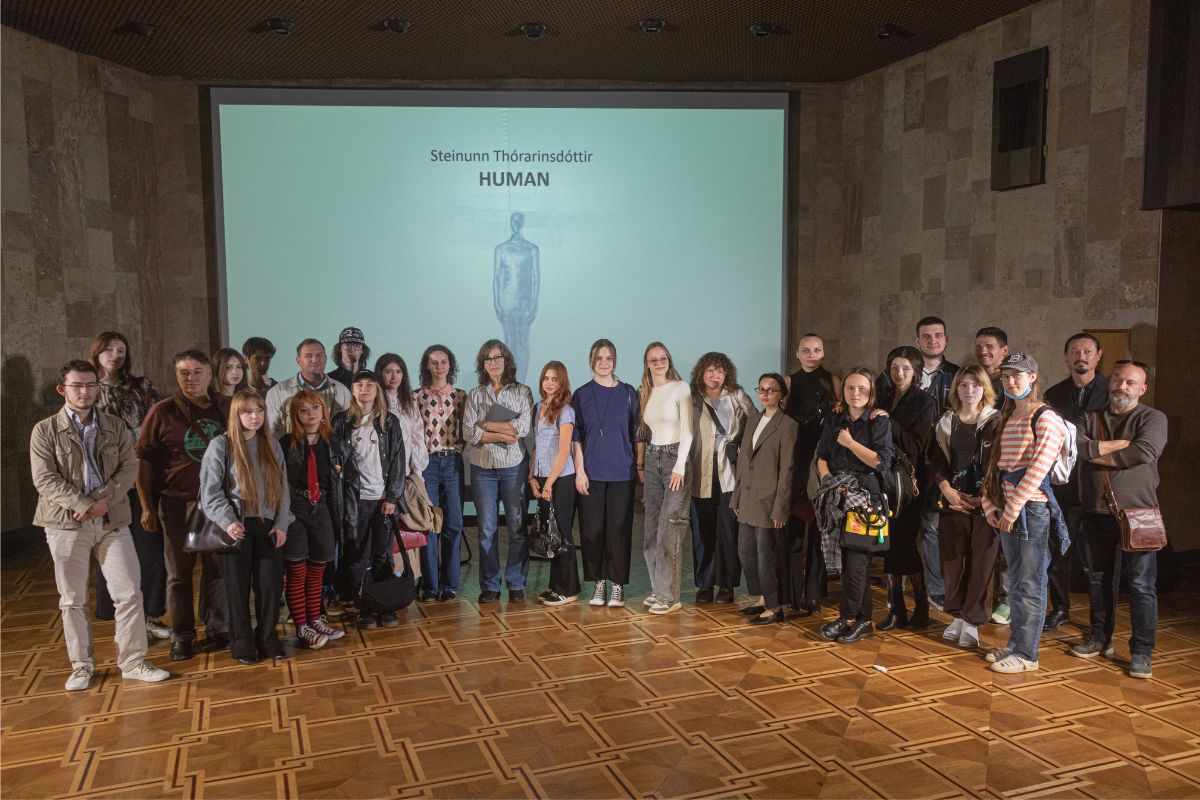



The War Museum hosted the public lecture and discussion “Woman. War. Art. Olexandra Ekster and the First World War.” The lecture was delivered by Anna Lodyhina, a journalist, researcher of the life of the early twentieth-century Ukrainian avant-garde artist, and author of a book about her.
Since the beginning of russia’s full-scale invasion, the world has increasingly been rediscovering the Ukrainian origins of artists whom russian culture appropriated for decades. Malevych, Hohol, and Sonia Delaunay are among the names being increasingly restored to the Ukrainian context. Another is Olexandra Ekster, one of the most prominent figures of the international avant-garde, whose life and work were inseparably connected with Kyiv and Ukrainian culture.
During the lecture, Anna Lodyhina traced how the First World War transformed Ekster’s artistic career. Before the war, Ekster divided her time between Kyiv and Paris and was actively involved in the European art scene. The outbreak of war, however, prevented her from travelling for an extended period. It was during this time that the artist turned to Ukrainian folk art and became involved in the work of an embroidery workshop in the village of Verbivka, Cherkasy region, where she reinterpreted traditional ornaments and colour palettes through the aesthetics of the avant-garde.
The participants devoted particular attention to the influence of revolutionary events and fighting in Kyiv on Ekster’s worldview. Frequent changes of government, artillery shelling, and the atmosphere of historical upheaval were reflected in her work and shaped a new artistic vision of reality.
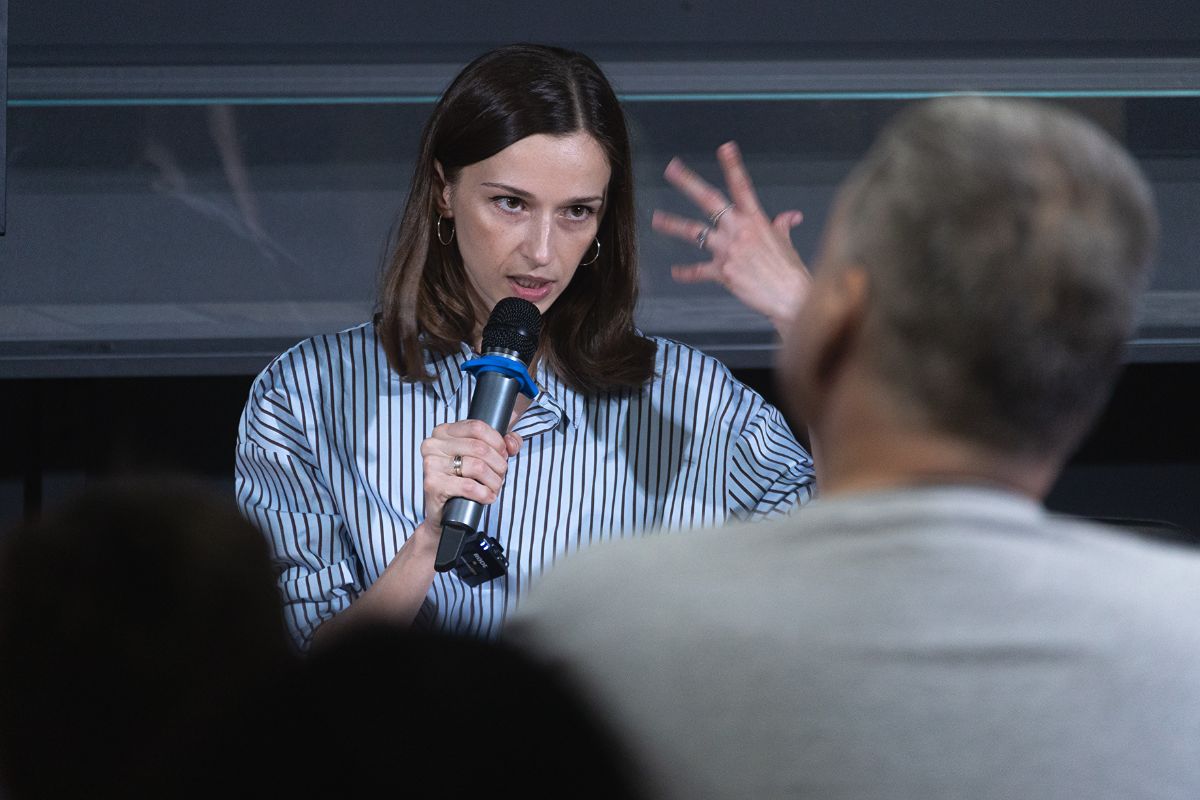
Contemporary Ukrainian artist Polina Kuznietsova also joined the discussion. She drew parallels between the experiences of Olexandra Ekster and those of present-day Ukrainian artists working in wartime conditions. According to the artist, everyone experiences war in their own way: some reflect it directly in their work, while others find support in familiar subjects and their daily creative practice.
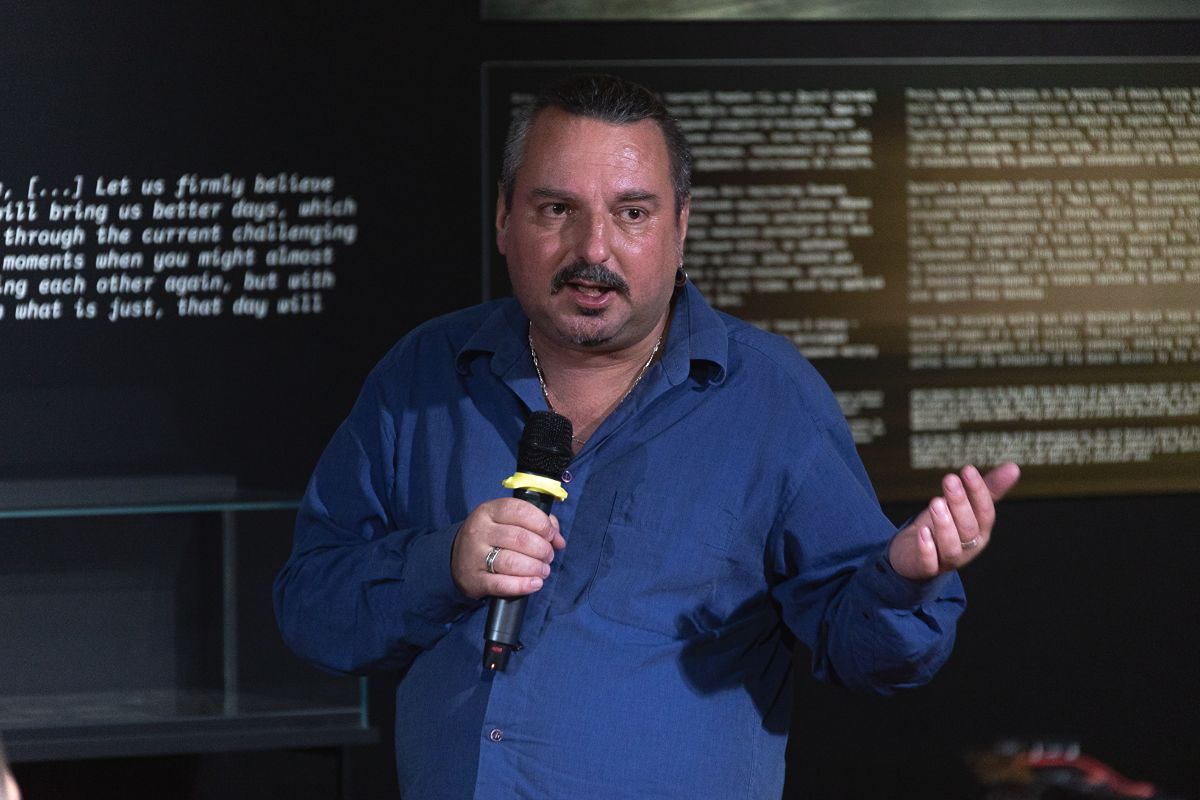
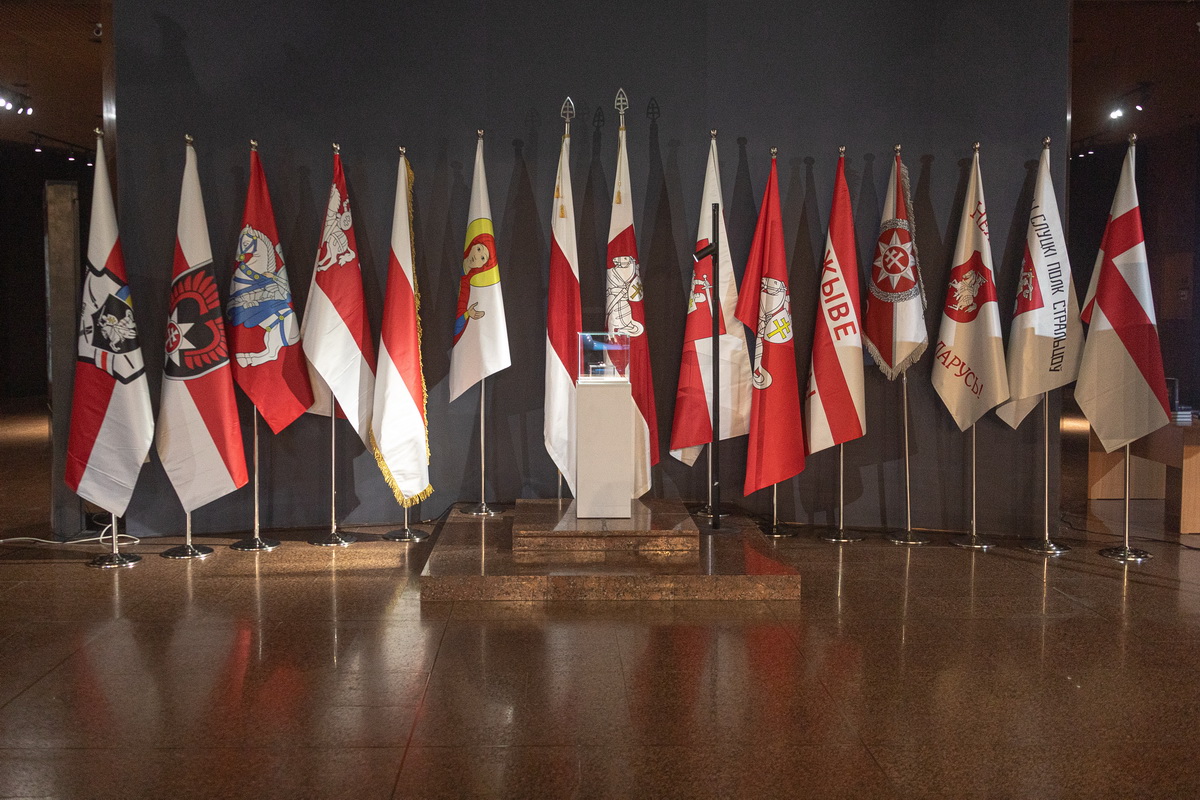
The lecture and discussion took place within the “Memory. Interchange” exhibition, to which Polina Kuznietsova contributed as an artist. The event was moderated by Roman Kabachii, Head of the War Museum’s First World War Research Sector.
The figure of Olexandra Ekster once again demonstrates that Ukrainian culture has always been, and remains, an integral part of the European artistic process. Today, restoring such names to their proper context not only corrects historical injustice but also represents an important step towards affirming Ukraine as an independent subject of global cultural history.